 Changyoung Park
2024.01.05
Changyoung Park
2024.01.05
Trends in the Use of AI in Materials Science from the 2023 MRS Fall Meeting
1. Introduction
The MRS Spring/Fall Meeting held by the Materials Research Society (MRS) in every spring and fall is one of the most prominent conferences in the materials science, attracting more than 10,000 researchers from around the world each year. “Materials Computing and Data Science,” a session specifically dedicated to the topic of Machine Learning/Lab Automation, is particularly growing in size every year. Until the 2020 MRS Fall Meeting, this session was only the subtopic of one session and covered about 4% of the total sessions, but by the 2023 MRS Fall Meeting, related research had grown to be approximately 9% of the total based on the by number of sessions and presentations. This trend is noticeable first-hand via Professor Alan Aspuru-guzik of the University of Toronto, a pioneer in AI-driven materials development who first developed the inverse design of molecules, delivering the keynote lecture “The Future of Chemistry is Self-Driving” to kick off the conference. (Image 1) Additionally, the conference was attended by big tech companies including Google, IBM, and Microsoft, further showcasing the interest of IT companies in materials development.
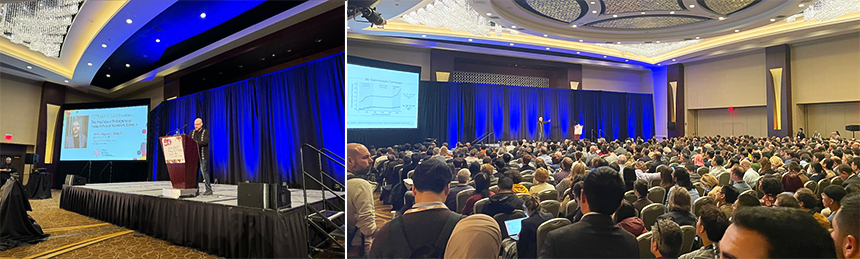
Image 1. Professor Alan Aspuru-guzik’s keynote speech: Introduction to materials discovery with AI
and the automation of experiments to bring it to the real world
Here are further details about some of the key research seen at the conference, including AI-powered Interatomic Potential (IAP) research, Lab Automation research, and the use of Large Language Models (LLMs).
* IAP : Represents the potential energy of atoms in a molecule/material, and is used in simulations to understand the mechanical properties of a material or to determine its dynamics. IAP-based on machine learning is called ML-IAP
2. Materials Discovery - Google Deepmind
- Graph Networks of Material Exploration (GNoME)[1]
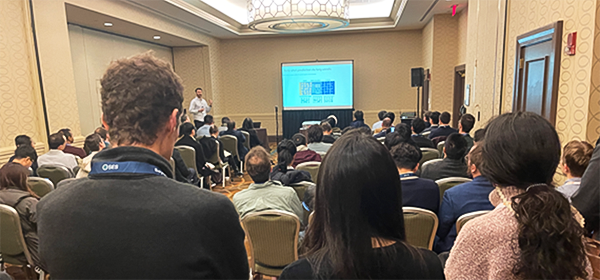
Image 2. Presentation site for GNoME
At the conference, Google DeepMind surprised attendees by unveiling its research in the materials field. (Image 2) This research, published in Nature the same day, expanded the size of inorganic materials data by a factor of 10, while identifying many new material candidates. It also showed improvement in the generalization performance of the predictive model trained on the new database.
As inorganic materials can be divided into two or more phases depending on the stability, it had previously been difficult to expand the database (DB) for stable inorganic materials. DeepMind used an active learning-based material generation method that has the ability to expand the DB while solving these difficulties. First, new materials were generated by modifying existing structures or by generating randomly with target composition, and the DB was expanded by computational calculation of materials that were predicted to be stable from AI models. By repeating these processes, it successfully expanded the DB size of the material from 100,000 - 200,000 to 2.2 million structures, about 10-fold increase. In the process, DeepMind was able to identify more than 380,000 new stable materials by composition, including 543 battery-related materials.
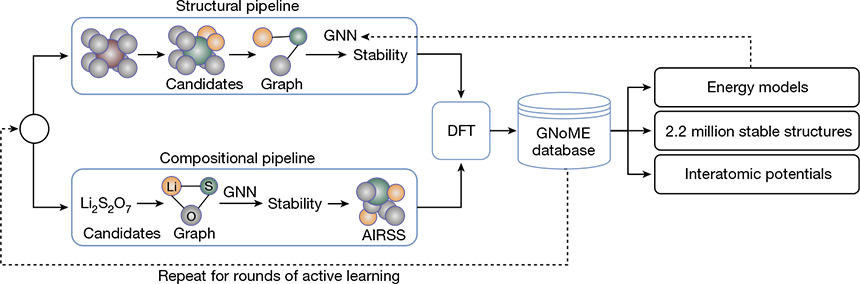
Figure 1. GNoME Active Learning Frame[1]
By checking the process of new material discovery, there was a spike in new material discovery by a certain point after applying active learning. This was made possible by the improved performance of models that predict the stability of materials. As the material DB continues to expand, improvement in energy prediction performance for new materials was also confirmed. (Figure 2)
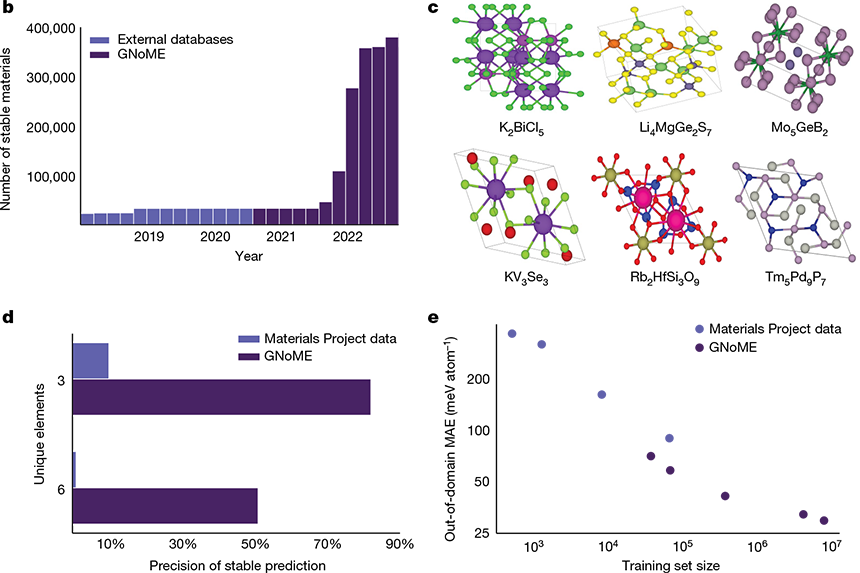
Figure 2. (b) Number of Stable Substance Materials by Composition Over Time,
(c) New Material Examples, (d) Stability Prediction Performance, and
(e) Energy Prediction Performance of New Materials as a Function of Data Volume (MAE)[1]
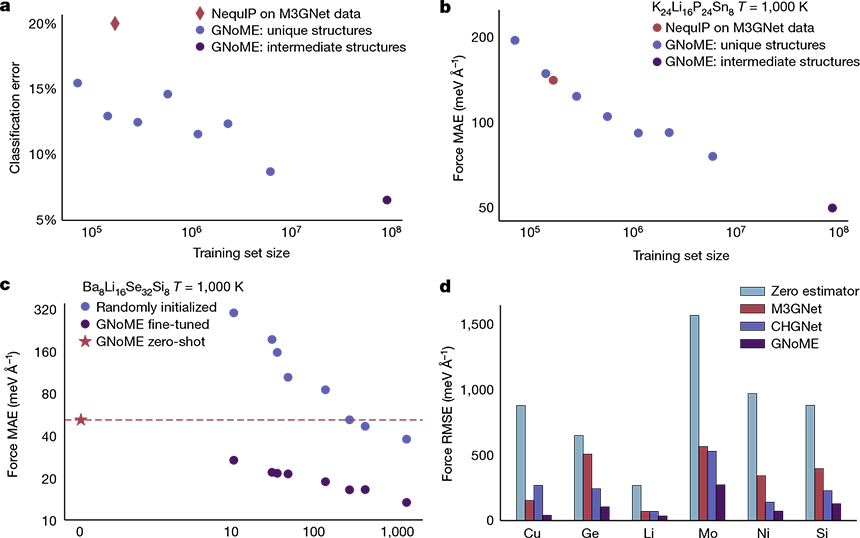
Figure 3. Prediction Performance of a Model Trained with a New DB (Classification (a), Force (b, c, d)[1]
GNoME potential, an ML-IAP trained using expanded data, is an E(3)-equivariant model that utilizes the existing SOTA model, NequIP potential[2], and is trained using Huber loss to target formation energy and forces. Performance was shown to have improved compared to M3GNet[3] and CHGNet[4], which are existing ML-IAP (Universal Neural Network Potential: UNNP) that can be applied as a zero-shot in various fields. (Figure 3)
3. Autonomous Laboratory (A-Lab) by Professor Gerbrand Ceder, University of California, Berkeley[5]
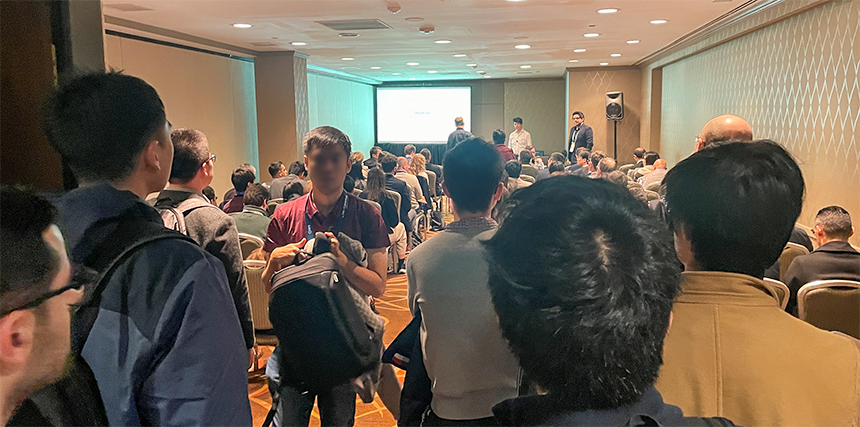
Image 3. Autonomous Laboratory (A-Lab) Presentation
Google DeepMind previously suggested candidates for new materials, and now others will be able to accurately assess the value of these candidates when they are successfully synthesized. However, figuring out how to synthesize new materials is a time-consuming process. Gerbrand Ceder, a renowned Berkeley professor in the field of inorganic materials including battery materials, gave a presentation on “A-Lab: An Autonomous Laboratory for the Solid-State Synthesis of Inorganic Powders,” an experimental automation that could solve this problem. (Image 3)
A-Lab has automated the entire process from the synthesis of the target material to judging the success of the synthesis by not only designing a material synthesis method with AI (retrosynthesis) but also synthesizing the material using a robot and analyzing the synthesized material automatically using X-ray diffraction. (Figure 4) In the process of developing AI models[6] for retrosynthesis, which is one of the core models in the entire process, data was collected through text mining in advance. Further, if synthesis was unsuccessful with that design, active learning was used to quickly iterate by proposing new designs and running through the experiment again. As a result, 355 experiments were conducted over 17 days, resulting in the successful synthesis of 41 materials out of 58 new material candidates. These results were especially encouraging as 52 of the 58 materials had no previously known synthetic information. Additionally, humans analyzed the failures to refine the design, which ultimately led to the synthesis of 43 materials.
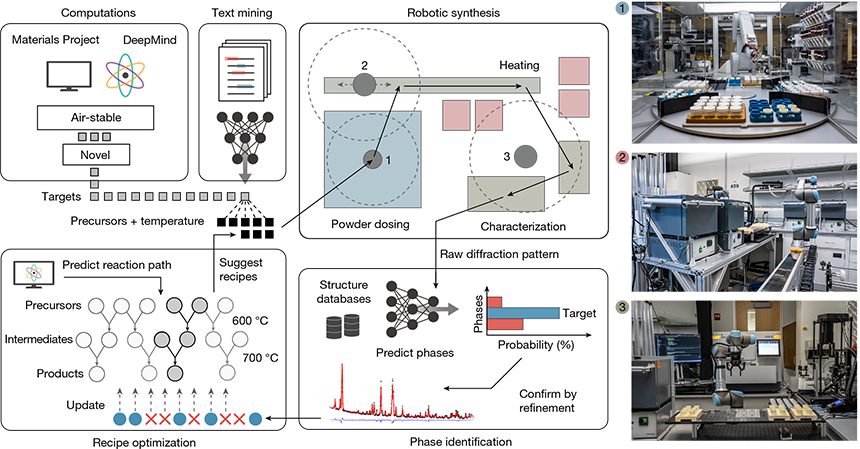
Figure 4. Autonomous Materials Discovery with the A-Lab[5]
At the end of the presentation, Professor Ceder spoke about how data, software, and physics-infused AI were key to the final outcome, reminding the audience that both big and small AI are necessary to succeed in one big challenge. Currently, the synthesis success rate is in the 70% range, which will hopefully be improved to 85-90% in the future.
4. Multi-modal Learning - IBM
IBM also participated in the conference and shared their language-based predictive models and models using multimodality. The following research (LLM-Prop[7]) won the Best Poster award during the meeting.
Graph neural networks (GNNs) have been widely used to predict the properties of conventional materials, overtaking earlier fingerprint-based prediction models. This research applies LLMs, which have recently been utilized in a variety of fields, to property prediction for materials (Figure 5), confirming the potential of LLMs in this area.
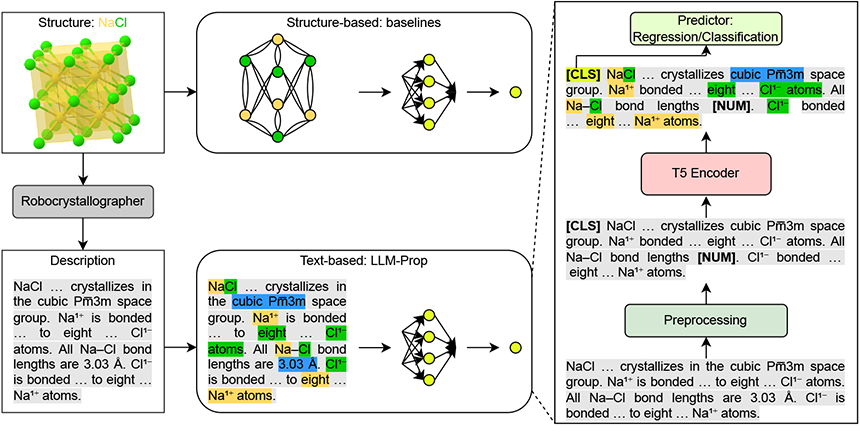
Figure 5. LLM-Prop Architecture[7]
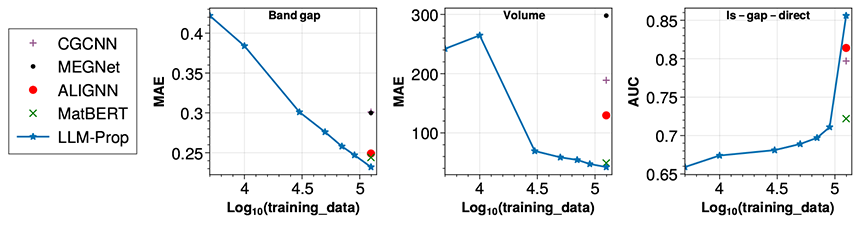
Figure 6.Comparison of Prediction Performance Across Training Data Sizes.
(GNN models: CGCNN, MEGNet, ALIGNN, Language models: MatBERT, LLM-Prop)[7]
LLM-Prop first converts the structure of the inorganic material into a structural description in Robocrystallographer[8], then preprocesses it (adding the [CLS] token at first, tokenizing the bond length and angle). After, final regression/classification tasks were performed by finetuning the pre-trained encoder-decoder model, T5[9] with one linear layer.
In this case, LM-Prop outperformed the existing GNN-based SOTA model by 3-4% in band gap prediction, and outperformed MatBERT, a domain-specific encoder model, while being three times lighter. (Figure 6) This result is likely due to the fact that macroscopic properties such as symmetry, which language models can easily reflect, are difficult to reflect in GNNs.
5. Conclusion
The number of cases using AI in materials development is gradually increasing, especially in academia. As big tech companies begin to participate in related research, the amount of published research is also on the rise. With Google, IBM, and Microsoft participating in the MRS Fall Meeting, as well as Meta showing interest and continuing to collaborate[10] with academic researchers, this upward trend is expected to continue in the long term. Moreover, the use of large language models in material applications has begun to show promise and is expected to increase.
Research into automating experiments using AI is also being expanded, as well as research into robotics to better understand how to conduct experimental research with materials in a more efficient manner. The collaboration between Google and the University of California, Berkeley, provided a glimpse at materials development research with minimal human intervention. In the long term, expectations show that multiple automation facilities will be connected and AI will be applied to them, which will fully accelerate material development.
LG AI Research’s Materials Intelligence (MI) Lab is also applying the latest AI technologies to the development of various new materials and substances. The MI Lab will continue to utilize data and AI technology in material development to overcome the limitations of existing research methods, strengthen the research activities of scientists, and proceed with research that can change human lives.
- 참고
[1] Amil Merchant et al, Nature 624, 80-85 (2023)
[2] Batzner, S. et al. Nat. Commun. 13, 2453 (2022)
[3] Chi Chen, Shyue Ping Ong, Nature Computational Science 2, 718-728 (2022)
[4] Bowen Deng, et al, Nature Machine Intelligence, 5, 1031-1041 (2023)
[5] Nathan J. Szymanski, et al. Nature 624, 86-91 (2023)
[6] Nathan J. Szymanski, et al. Nature Communications 14, 6956 (2023)
[7] Andre Niyongabo Rubungo, et al. https://arxiv.org/abs/2310.14029
[8] Alex M Ganose, et al. MRS Communications, (2019) 9(3) 874-881
[9] Colin Raffel, et al., J. Mach. Learn. Res., (2020) 23(1), 5485-5551
[10] https://ai.meta.com/research/impact/open-catalyst/