“EXAONE Path 2.0” - The future of bio-innovation with next-generation cancer diagnostic AI
AI technology is solving bio-healthcare challenges and ushering in the era of AI-based precision medicine. LG AI Research continues to lead the way in biotechnology innovation by releasing its next-generation cancer diagnosis AI model, “EXAONE Path 2.0,” as an open source model for research.
This release is in line with LG AI Research's philosophy of popularizing precision medicine and revitalizing the research ecosystem. We aim to contribute substantially to spreading the public value of AI technology, actively conducting research collaboration, and establishing a foundation for mutual growth.
AI reads high-resolution pathology images: From tissue analysis to gene prediction
Pathology images are high-resolution digital images of a patient's tissue samples taken under a microscope. They play a key role in visually identifying cellular structures and abnormalities within tissues. Commonly referred to as “whole slide images” (WSIs), they contain vast amounts of information, often several gigabytes per image, requiring sophisticated processing techniques.
EXAONE Path is an AI model that specializes in analyzing these pathology images to precisely interpret subtle structural changes in human cells and tissues to help in early diagnosis and prognosis of cancer. In particular, the 2.0 version released today features technology that integrally learns pathology images from patch-by-patch to whole slide level.
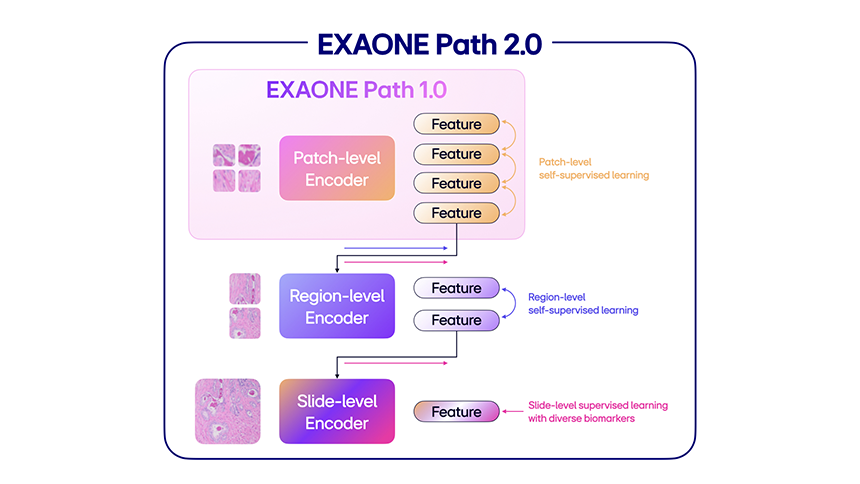
Image 1. Image Analysis Structure of EXAONE Path 2.0
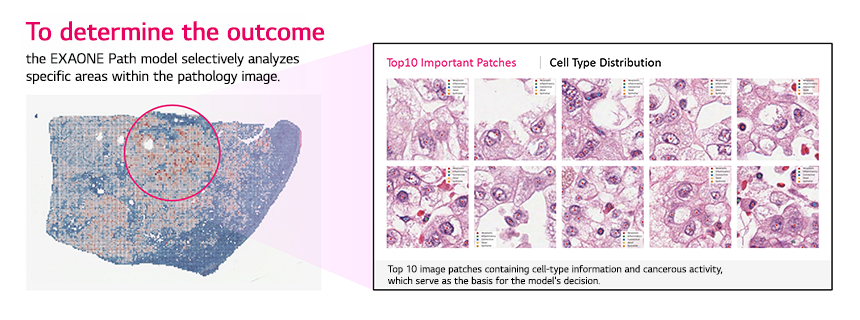
Image 2. Image Analysis Structure of EXAONE Path 2.0
This solves the problem of feature collapse, which reduces the accuracy of AI analytics, and in doing so, has achieved world-leading accuracy in predicting genetic mutation. It precisely identifies relationships between tissues in a broader context, and delivers near real-time speed and reliable results in real-world clinical settings.
Genetic testing used to take two weeks, now it takes seconds with AI
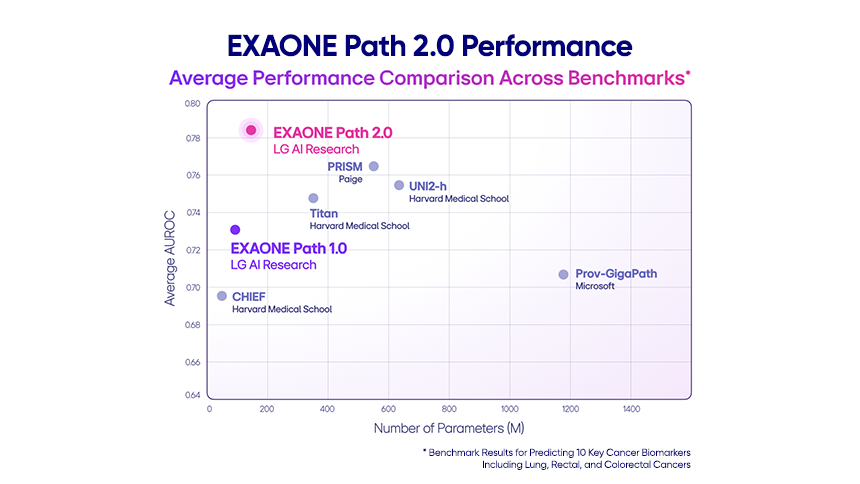
Image 3. Performance Benchmark of EXAONE Path 2.0
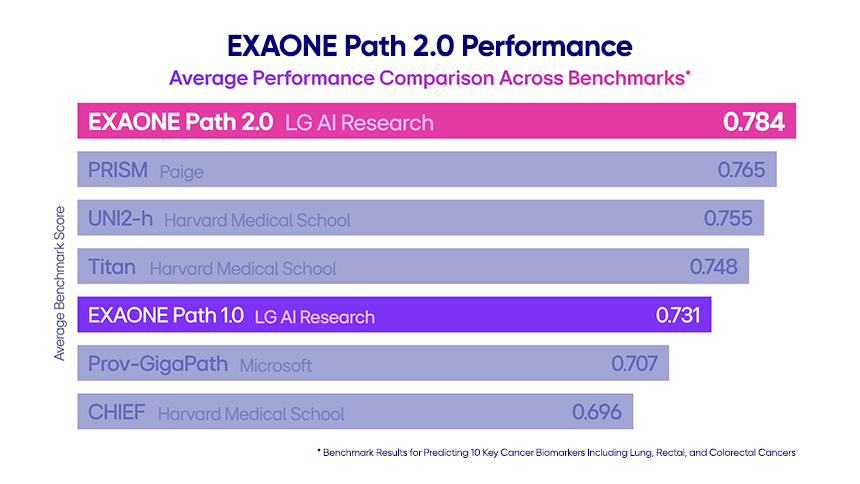
Image 4. Performance Benchmark of EXAONE Path 2.0
EXAONE Path 2.0 reduces genetic testing time from over two weeks to seconds. This is thanks to training on large-scale multimodal data of more than 10,000 pathology images matched with RNA genetic information. It has reached the point where gene expression can be predicted from tissue images alone, allowing targeted treatment recommendations without the need for expensive RNA testing. Patients' medical costs are reduced, and diagnostic access and speed are greatly improved.
For example, when doctors analyze pathology images of cancer patients, they can immediately predict which genes are mutated, enabling precise decision-making from the earliest stages of treatment. Beyond this, EXAONE Path 2.0 will also be used to diagnose, predict prognosis, and analyze treatment responses for a variety of other diseases.
The Bio-AI Ecosystem Pursued by LG AI Research
EXAONE Path 2.0 is another milestone towards LG AI Research's open and collaborative research ecosystem. We will continue to work with various global partners to continuously expand bio-precision medical innovations that contribute to human health and life with AI technology.