LG and UNESCO Globally Launch the Global MOOC on Ethics of AI Project
LG AI Research and the United Nations Educational, Scientific and Cultural Organization (UNESCO) today launched the Global MOOC(Massive Open Online Course) on Ethics of AI Project at the Korean National Commission for UNESCO in Myeong-dong, Seoul, unveiling a free educational program accessible to learners worldwide.

Image 1. (Left) Hyunik Hong; (Second to the left) Khaled El-Enany; (Second to the right) Kyunghoon Bae; (Right) Woohyung Lim
The launch event was attended by Khaled El-Enany, Director-General of UNESCO, who was visiting Korea; Kyunghoon Bae, Deputy Prime Minister and Minister of Science and ICT of the Republic of Korea; Hyunik Hong, Secretary-General of the Korean National Commission for UNESCO; and Woohyung Lim, Co-President of LG AI Research.
"Ethical AI cannot be built on principles alone. By translating UNESCO’s Recommendation on the Ethics of Artificial Intelligence into practical education, this initiative reinforces our commitment to turning shared principles into responsible AI practices across the entire AI lifecycle." said Khaled El-Enany, Director-General of UNESCO.
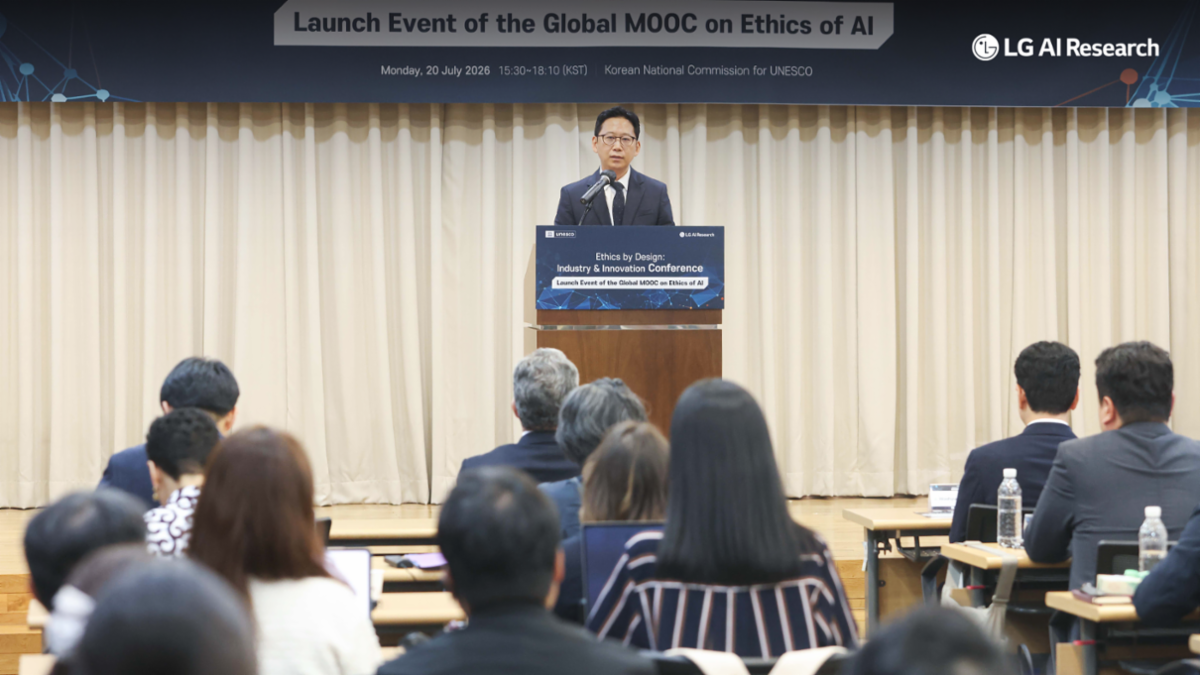
Image 2. Kyunghoon Bae, Deputy Prime Minister and Minister of Science and ICT of the Republic of Korea
"AI presents innovative opportunities for humanity while also raising new ethical and societal challenges. To build a safe and trustworthy AI ecosystem, it is essential for the international community to establish shared principles and standards, while working together to put them into practice," said Kyunghoon Bae, Deputy Prime Minister and Minister of Science and ICT of the Republic of Korea, emphasizing that Korea is emerging as a global leader in promoting inclusive AI governance.
The Global MOOC on Ethics of AI Project marks the first major outcome of the partnership established between LG AI Research and UNESCO following the AI Seoul Summit in May 2024, two years after the organizations signed their collaboration agreement.
The project aims to strengthen AI ethics capabilities across both the public and private sectors by identifying best practices for the responsible development and use of AI and by developing and delivering educational programs for AI professionals, researchers and policymakers worldwide.
This marks the first time a private-sector AI research organization in Korea has partnered with a United Nations specialized agency to jointly lead every stage of developing a global educational program—from initial planning through curriculum design and content development.
The curriculum is based on UNESCO's Recommendation on the Ethics of Artificial Intelligence, the world's first global standard on AI ethics, unanimously adopted by UNESCO's 193 Member States in 2021. It focuses on building practical capabilities that developers, researchers and policymakers can directly apply in their day-to-day work.
To maximize global accessibility, LG AI Research and UNESCO have partnered with Coursera, the world's leading online learning platform founded by renowned AI scholar Andrew Ng, to deliver the AI ethics program to learners around the globe.
"UNESCO has played a pivotal role in establishing global standards for the responsible use of AI, and we are honored to welcome UNESCO to the Coursera platform through the launch of Ethics of Artificial Intelligence," said Marni Baker Stein, Chief Content Officer at Coursera.
"This free course, developed in collaboration with LG AI Research, will help individuals and institutions around the world make more informed and responsible decisions about how AI is designed, deployed and governed. Together, we are expanding global access to high-quality education on one of the defining challenges of our time—AI ethics."
The program comprises 10 modules developed and delivered by leading scholars from globally recognized institutions at the forefront of AI ethics research, including Carnegie Mellon University, the McCoy Family Center for Ethics in Society at Stanford University, the Oxford Internet Institute, the TUM School of Social Sciences and Technology, and the Alan Turing Institute. It also features contributions from practitioners representing regional organizations such as AFRIA in Africa and the Asia Internet Coalition (AIC) in Singapore.
The program's International Advisory Group brings together experts from 15 leading institutions, including Harvard University, New York University, the University of Toronto, the University of Notre Dame, UNESCO's World Commission on the Ethics of Scientific Knowledge and Technology (COMEST), United Nations University, Université Numérique Cheikh Hamidou KANE (UN-CHK), the Mozilla Foundation, Tecnológico de Monterrey, and the University of Pretoria.
The launch also featured a conference titled "Ethics by Design: Industry & Innovation," bringing together leading experts who contributed to the project, including Dr. Georgina Curto-Rex of United Nations University, one of the principal contributors to UNESCO's Recommendation on the Ethics of Artificial Intelligence; Professor Shion Guha of the University of Toronto; and Maha Jouini of the African Union, along with representatives from the AI Safety Institute, NAVER, and Kakao.
"While regulation is designed to mitigate risks, education is what builds trust," said Youchul Kim, Head of Strategy at LG AI Research. "Supporting developers and policymakers around the world in collaborating under a shared ethical framework is an investment in strengthening trust across the AI ecosystem and laying the foundation for a future in which people can confidently embrace and benefit from AI."
Building on the Global MOOC on Ethics of AI Project, LG AI Research and UNESCO plan to expand the initiative into a professional training program that enables participants to strengthen their AI ethics capabilities through case-based learning and hands-on exercises.
As the first step, LG AI Research and the Korean National Commission for UNESCO will launch a pilot AI ethics training program for AI developers and researchers in Korea in the second half of this year. Based on the outcomes of the pilot, the organizations plan to expand the initiative next year into AI ethics training courses at five to ten regional hub universities across the country.
Hong Hyunik, Secretary-General of the Korean National Commission for UNESCO, said: "UNESCO’s Recommendation on the Ethics of Artificial Intelligence sets out principles agreed by the international community, but their value can only be realized when they serve as practical guidance in technology development, research, industry and public policy. We hope the launch of this global MOOC will equip practitioners to make responsible decisions and that it will be a crucial step in translating international standards into concrete practice in the Republic of Korea."
As Korea advances its vision of "AI for All"—ensuring that the benefits of AI are shared across communities and national borders—LG AI Research has actively contributed to major international discussions on responsible AI through its collaboration with UNESCO. The organization has participated in leading global forums, including the Global Forum on the Ethics of AI, the AI Seoul Summit, the United Nations Forum on Business and Human Rights, and the AI Action Summit in Paris, demonstrating corporate leadership in advancing the responsible and sustainable development of AI.
The project also represents an important milestone for Korea, demonstrating its evolution from a country that adopts global standards to one that contributes AI ethics education for the international community. It serves as a tangible example of how private-sector-led international collaboration can strengthen global AI governance and help shape the future of responsible AI.
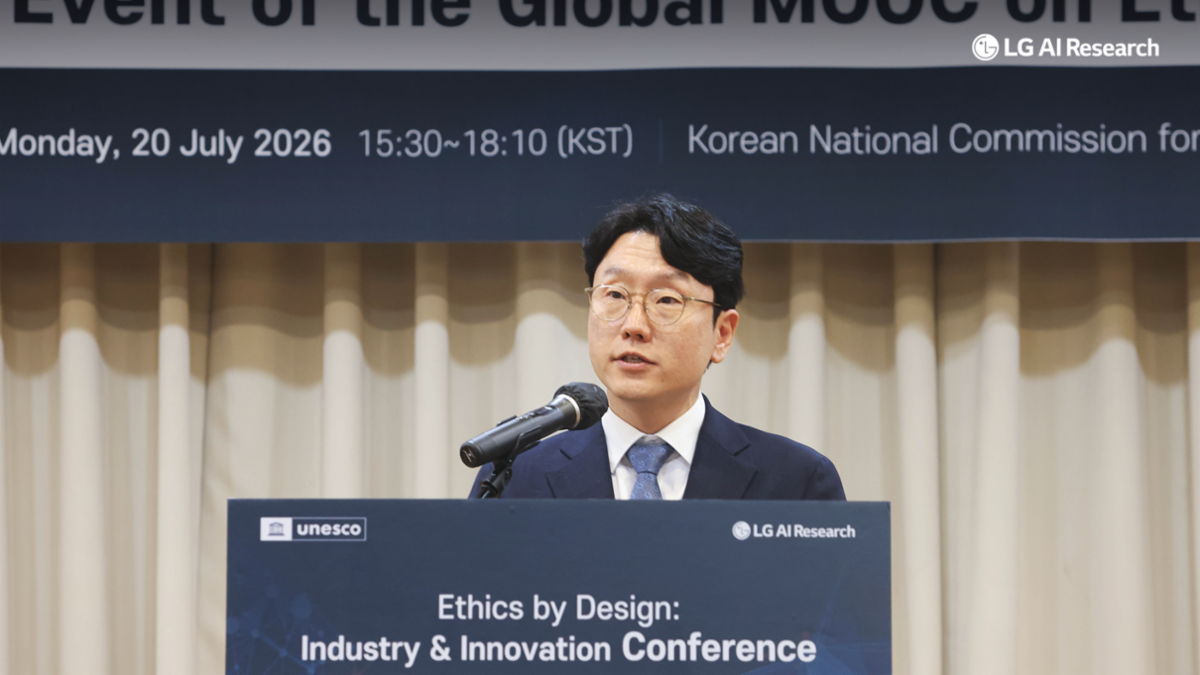
Image 3. Woo Hyoung Lim, Co-President of LG AI Research
"AI ethics is both a set of principles and a commitment to ensuring that AI operates transparently and responsibly, without discriminating against people or exposing them to harm," said Woo Hyoung Lim, Co-President of LG AI Research.
"The time has come to move beyond achieving global consensus on AI ethics and put those principles into practice throughout the entire AI lifecycle—from product development to service deployment. We hope this global MOOC will provide developers and researchers with a practical foundation for building a trustworthy AI ecosystem while accelerating responsible innovation across industries."
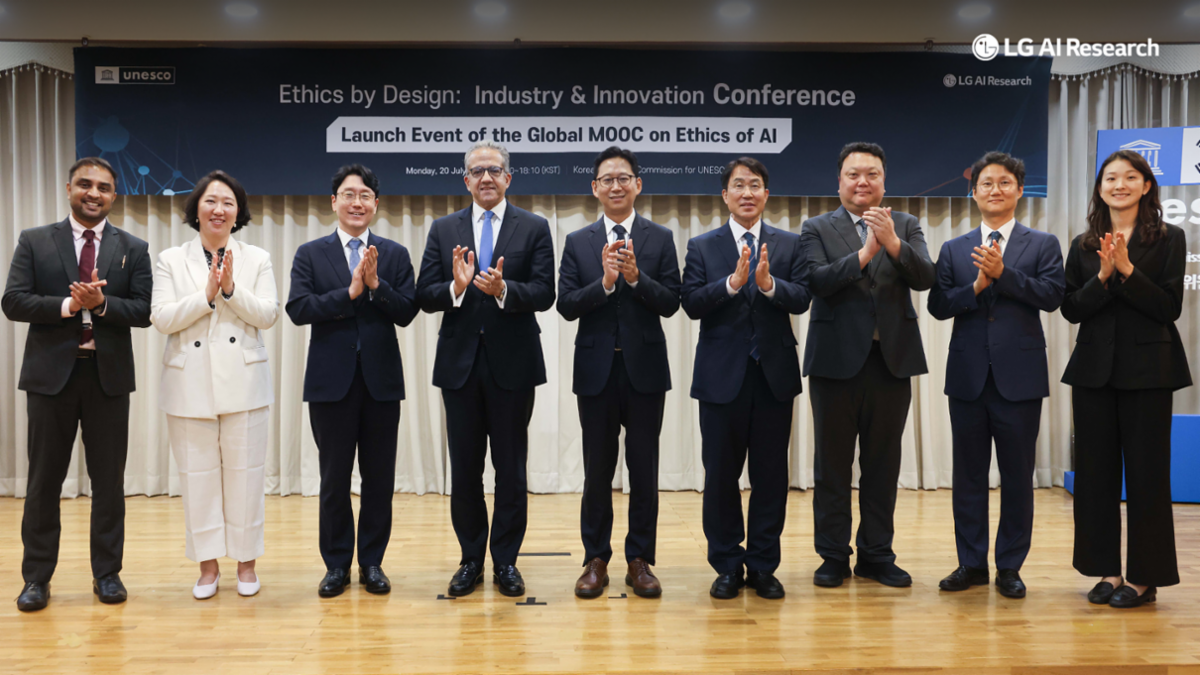
Image 4. LG AI Research and UNESCO at Launch Event of the Global MOOC on Ethics of AI