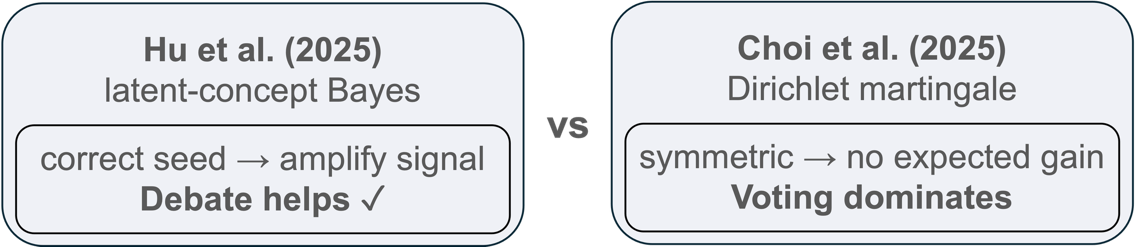
However, we viewed these two results not as actually contradicting each other, but as describing different interaction regimes.
If useful asymmetric information like a “Correct Seed” exists, debate operates under the “Corrective Regime.” Conversely, if agents exchange information symmetrically from the same starting point, debate may remain in the “Neutral Regime,” where existing information is simply redistributed. Therefore, the important question is not
“Is debate good or bad?” but
“When should we start debating, and what structure should the debate follow?”
This is the starting point of this study. The paper integrates the two theories into these “Neutral Regime” and “Corrective Regime” frameworks and concludes that structural interventions that intentionally break symmetry are necessary to generate positive drift.
2. Key Research Details
1) When: Debate only when necessaryTraditional Multi-Agent Debate generally calls multiple agents for every problem, regardless of the problem's difficulty or the agent's current state. However, if multiple agents unnecessarily review problems that the Leader is already confident can solve correctly, it is highly likely that only the Token Cost will increase rather than performance improve.
Therefore, LASE does not always initiate multi-agent reasoning.
First, a single Leader Agent solves the problem on its own. It then measures the internal uncertainty of the model regarding the generated answer. Specifically, it uses the minimum log probability (Min Logprob) and the maximum entropy (Max Entropy) among the answer tokens. If the leader’s confidence is sufficient, the reasoning process ends immediately, and the supporter agent is not invoked.
Conversely, an uncertainty event (U=1) occurs and Multi-Agent Interaction begins only when confidence is low or ambiguity is determined to be high.
In other words, rather than allocating computational resources equally to all problems, we selectively allocate them to problems that are more likely to require additional assistance.
The second key point is that the structure of the interaction itself was designed to be asymmetric.
In typical Multi-Agent Debates, an “all-to-all” structure, in which multiple agents review each other’s responses and iteratively revise their own, is commonly used. However, as we saw earlier, in a structure where homogeneous agents observe each other symmetrically, only information mixing occurs, and a systematic drift toward the correct answer may not take place.
In LASE, a single Leader consistently maintains the entire reasoning trajectory and the final decision. The Supporter is not a decision-maker on par with the Leader; rather, its role is to provide targeted auxiliary signals to help the Leader deviate from an incorrect reasoning path.
When the Leader is uncertain, the Supporters intervene step-by-step, one at a time, as follows.
The Adversarial Check (Devil’s Advocate) attacks the Leader’s logical weaknesses and hidden assumptions; Peer Support provides alternative perspectives or hints at points of deadlock; and if uncertainty persists, the Expert Agent points out key concepts or insights that the Leader has overlooked. Once the Leader’s confidence is restored after each step, the interaction ends immediately.
In this structure, rather than all Agents conversing with one another, a 1:1 Directed Star Topology is formed between the Leader ↔ Supporter.
In other words, the two questions in LASE are clear.
● WHEN - The Leader initiates the debate only when there is uncertainty.
● HOW - Instead of all Agents debating equally, the debate is structured as a Leader-centered asymmetric interaction.
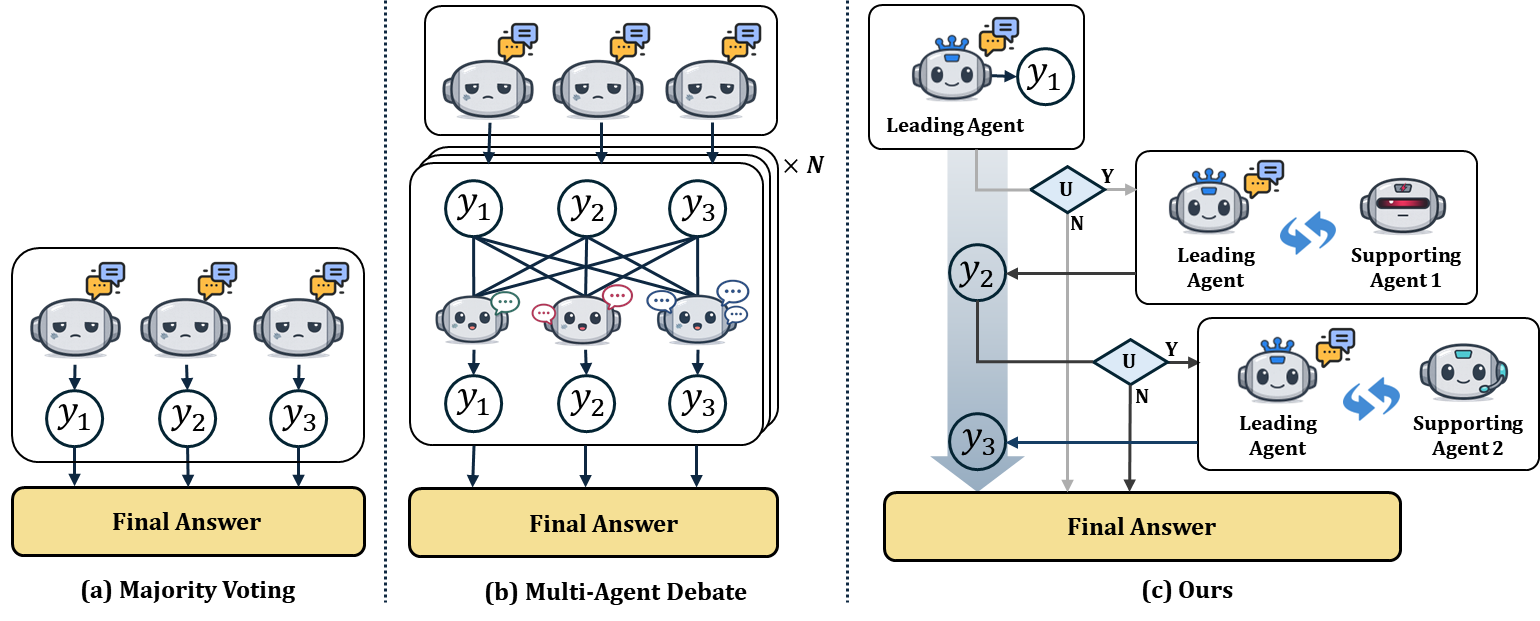
Figure 1. Comparison of the overall structures of Majority Voting, existing Multi-Agent Debate, and LASE.
LASE selectively performs Leader-centered asymmetric interactions only when the Leader is uncertain[1]3) What can be guaranteed by linking the two theories?
In this study, we analyzed this design by linking it to the two theories examined earlier to ensure that it is not merely a heuristic.
First, in Proposition 3.2, we showed that LASE violates the symmetry condition required by Choi et al. to derive Martingale neutrality.
In LASE, rather than all agents accepting each other’s information on average, only the Leader accepts information from the Supporters, and interactions themselves are executed selectively only when the Leader is uncertain. Therefore, the symmetric averaging condition which requires the Leader’s belief to equal the average belief of the surrounding agents is not structurally guaranteed. Consequently, the Martingale neutrality that held in the existing symmetric debate cannot be directly applied to LASE.
Next, Theorem 3.7 incorporated the Correct Seed amplification perspective of Hu et al.
Let ρ be the probability that a Supporter provides a Correct Seed when the Leader faces an uncertain problem, and let δ be the degree to which correctness increases when a Correct Seed is observed. Under the conditions defined in the paper, LASE has the following expected accuracy bound.

That is, under the conditions that there is a possibility of obtaining a useful corrective signal in uncertain situations, that the signal improves the Leader’s reasoning, and that it does not compromise the existing answer when no useful seed is available, selective debate guarantees a positive expected gain compared to single-agent reasoning.
The key point here is that it is not simply a matter of “it gets better because we use more agents.”
The crux of the matter is that improvements are possible because we selected the conditions under which useful interactions occur and designed the structure so that those interactions can steer the system toward the correct solution.
There are also differences in terms of cost. In a typical All-to-All Debate, if n agents engage in T rounds of debate, cross-agent context interaction can increase to Θ(Tn^2 ). In contrast, in a structure like LASE, where only a small number of supporters and leaders interact at a time, this can be limited to O(T). Based on this, the paper also demonstrates a Pareto improvement: under the stated assumptions, the approach achieves higher expected accuracy than a single agent at a lower cost than the method that involves constant interaction.
Experiment Results: We cut back on debates, but it actually did better
To validate the effectiveness of LASE, experiments were conducted on six benchmarks, including mathematical reasoning, symbolic reasoning, domain-specific knowledge, and factual robustness, using Gemini-2.0-Flash and GPT-4.1-mini. The comparison groups were Single Agent, Majority Voting (MV), and the existing Multi-Agent Debate (MAD).
The key of the results is simple.
We were able to reduce the token cost to a level close to that of a single agent while maintaining or even improving accuracy to multi-agent levels.
For example, on the MATH-500 dataset using Gemini-2.0-Flash, while a single agent achieved 80.0% accuracy, majority voting achieved 86.4%, and the existing MAD achieved 74.8%, LASE recorded 87.2%. LASE’s average token usage was 1.1k, which was significantly lower than the 5.2k for Majority Voting and the 11.8k for MAD.
In the GSM-Symbolic dataset, LASE achieved 93.4%, compared to 88.4% for Single Agent, 91.2% for MV, and 88.6% for MAD, while its average token count was 0.4k virtually the same as Single Agent. On GPQA-Diamond, the Gemini-based LASE improved performance from Single Agent’s 61.6% to 65.2%, while using only 1.2k tokens compared to MAD’s 17.2k. Across all combinations of the two backbones and six benchmarks in Table 1, LASE achieved higher accuracy than the corresponding Single-Agent baseline.
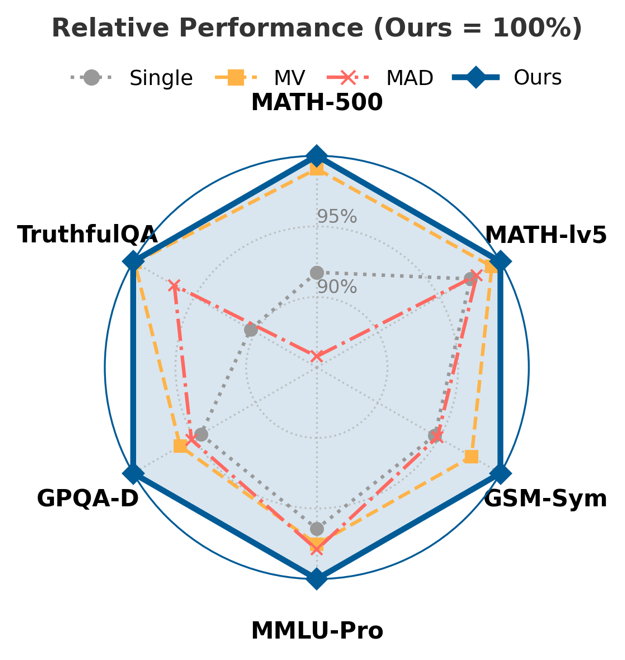
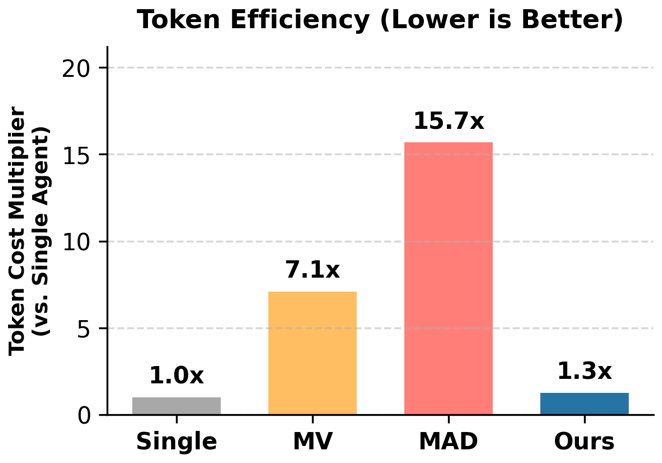
Figure 2. Overview of LASE performance and efficiency.
The left side shows the relative performance of each method, and the right side shows the Token Cost compared to a Single Agent[1]
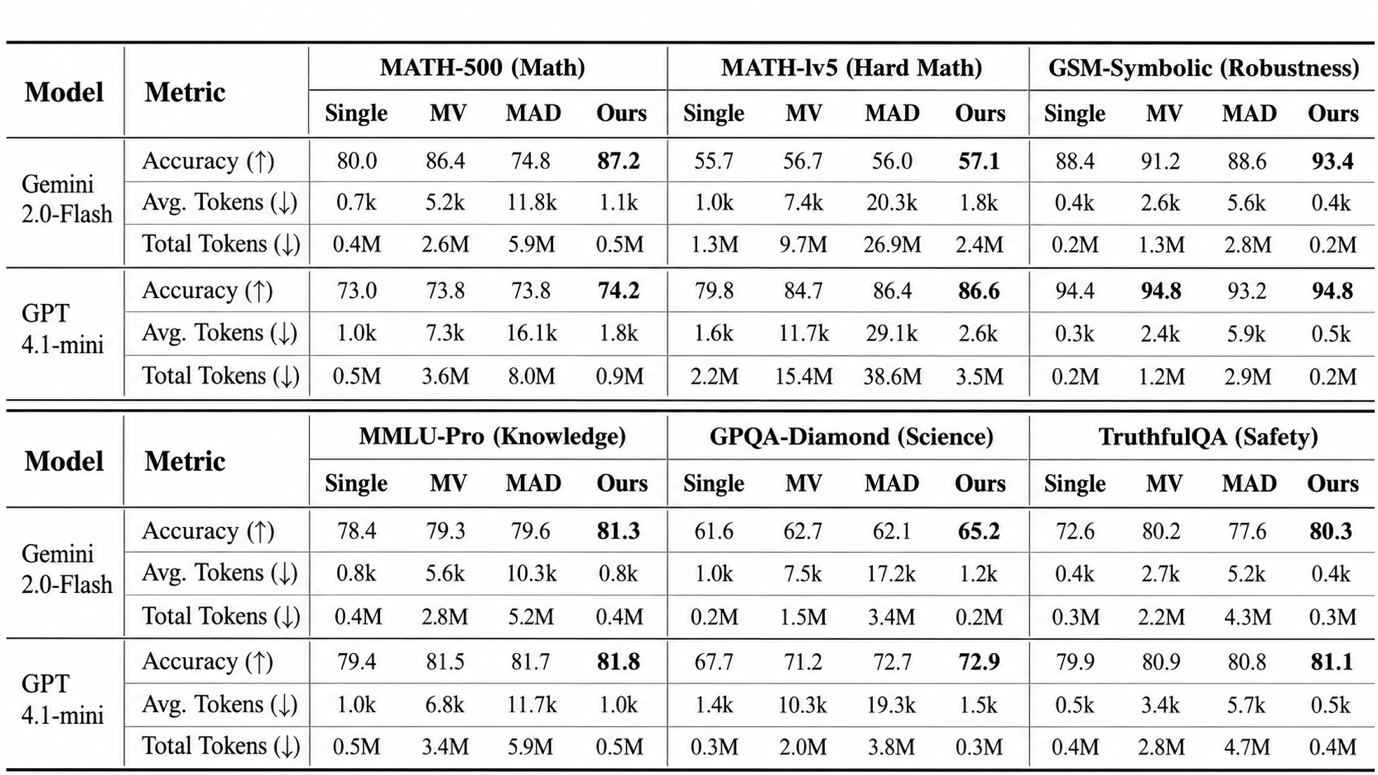
Table 1. Comparison of performance and Token Cost across various reasoning benchmarks[1]Are debate and voting in a competitive relationship?
Another interesting finding is that LASE is not mutually exclusive with Majority Voting.
If LASE itself is a method for creating a single, improved reasoning path, then the multiple reasoning paths generated in this way can be subjected to Majority Voting again.
On MATH-500, standard Majority Voting achieved an accuracy of 86.4% using 7 independent responses and 5.2k tokens. In contrast, a single run of LASE achieved 87.2% with 1.1k tokens, and when LASE was run five times followed by Majority Voting, performance improved to 88.0% with a similar 5.4k tokens.
In other words, rather than eliminating voting, LASE can also be utilized as a “better voter” that makes each reasoning path involved in the voting process more reliable.
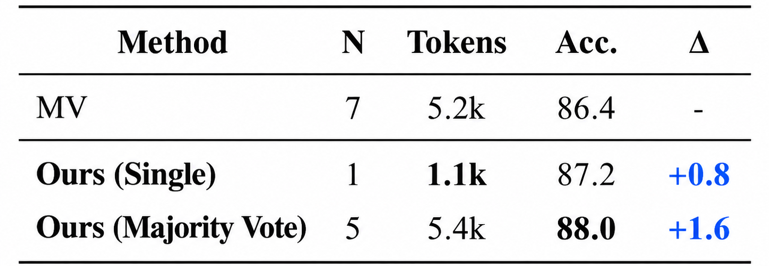
Table 2. Compatibility between LASE and Majority Voting[1]Do we really need more help from the agent when uncertainty is high?
One of the key assumptions in LASE is that the model’s own confidence should serve as a useful signal for determining “when to request additional assistance.”
To verify this, we conducted a calibration analysis to examine how consistently Min Logprob and Entropy, two confidence proxies that measure the Leader’s uncertainty, correlate with the actual accuracy rate. The analysis revealed that while the model demonstrated high accuracy in intervals where Min Logprob was high, or where the model exhibited high confidence, accuracy decreased as confidence declined. Conversely, as Entropy increased and the prediction distribution became more uncertain, the accuracy rate also decreased significantly.
For example, the accuracy for intervals where Min Logprob was 0.99 or higher was 85.5%, but it dropped to 50.9% for intervals below 0.50, and fell to 30.4% for intervals where Entropy was higher than 1.0. This demonstrates that LASE’s uncertainty gate is not merely a mechanism to arbitrarily reduce computational resources, but actually functions as a signal to identify problems with a high probability of error.
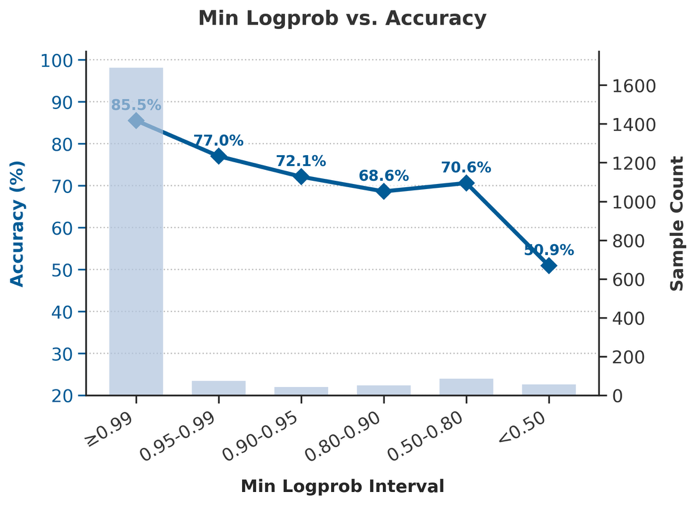
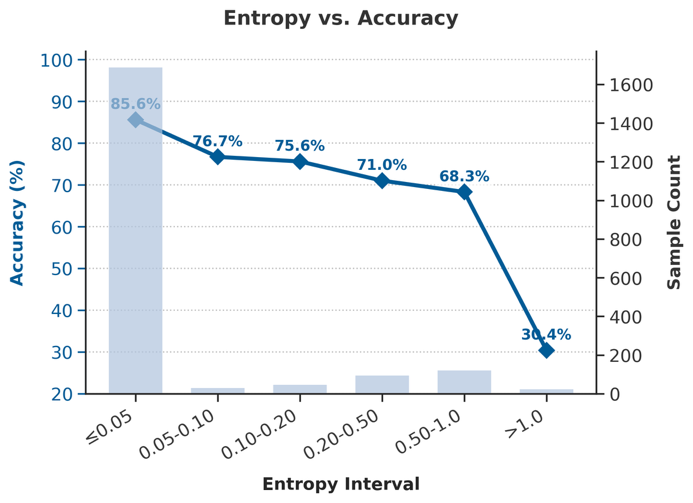
Figure 3. Calibration analysis of Confidence Proxy.
As the measured uncertainty increases with low Min Logprob and high Entropy, the actual accuracy tends to decrease[1]Something more important than “having a lot of debates”
This phenomenon was also observed in smaller open-weight models.
When Llama-3-8B was applied to MATH-500, the Single Agent achieved an accuracy of 25.7% and Majority Voting achieved 31.8%, while the existing symmetric Multi-Agent Debate actually performed worse than the Single Agent, with an accuracy of 24.1%.
In contrast, LASE achieved the highest accuracy at 32.9%, while keeping total token usage at 1.4M lower than the 2.0M for MV and 4.4M for MAD. These results demonstrate that, particularly when the base model’s capabilities are limited, a high volume of dialogue among multiple agents does not naturally lead to the correct answer; rather, incorrect information can be repeatedly reinforced through symmetric interactions.
Ultimately, the message this study aims to convey is not that “debate is unimportant.”
Quite the opposite.
Debate can be a powerful reasoning tool, but its effectiveness depends on when it is used and how it is structured.
Rather than simply increasing the number of agents and repeating interactions, we must identify the moments when assistance is needed and design interactions so that corrective signals pointing toward the correct answer are generated at those moments.
3. LG AI Research's Future Plans
This study focused on the minimal structure required for Multi-Agent Debate to function effectively. It was confirmed that even a relatively simple structure, one in which a single Leader maintains the entire reasoning trajectory and a single Supporter intervenes step-by-step when necessary, can achieve a high accuracy-efficiency trade-off while overcoming the limitations of Symmetric Debate.
In the future, it is possible to further expand the capabilities of the Supporter itself. For example, we could use a small ensemble of Agents instead of a single Supporter, or evolve it into a hierarchical multi-agent structure where multiple Supporters first debate among themselves to generate a single robust signal to be transmitted to the Leader. Even in this case, while maintaining the Leader’s control over the overall reasoning process, we can explore ways to provide stronger corrective signals for more challenging problems.
Furthermore, developing uncertainty signals that are more sophisticated than current methods such as Min Logprob or Entropy is an important area of research. In particular, “confident errors”, where a model generates an incorrect answer with high confidence, may not trigger an interaction using current methods. In the future, if we can more reliably detect the possibility of error within the model’s inference process itself by utilizing semantic uncertainty, process-level verification, and the Process Reward Model (PRM), we will be able to determine more accurately “when to use additional reasoning resources.” The presentation materials also identified the advancement of these uncertainty proxies as a key future direction.
LG AI Research intends to continue its research aimed at implementing more efficient and reliable agentic reasoning, not by simply increasing computational power or the number of agents, but by selectively utilizing the right type of intelligence at the right moment.
 Seungdong Yoa
2026.11.17