The 2nd LG AI Expert Course to Foster AI Talents Completes with Success
LG AI Research operates various training programs for members of affiliates of the LG Group in order to foster AI talents who can resolve actual problems at industrial sites. Among them, LG AI Expert Course is a 12-week AI expert training course held for members of the various affiliates within the LG Group. On November 25, a completion ceremony and performance-sharing event was held to commemorate the successful completion of the 2022 2nd LG AI Expert Course carried out in the second half of the year.
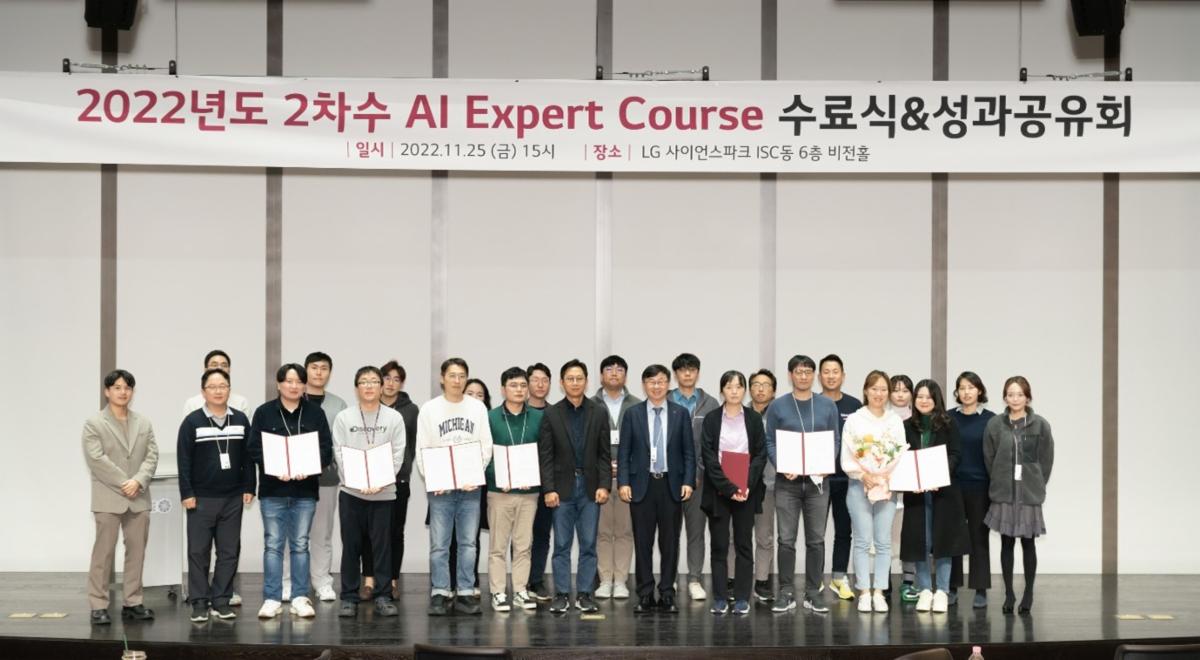
Image 1. 2022 2nd LG AI Expert Course completion ceremony and performance-sharing event
LG AI Expert Course is a training program that offers the opportunity to learn how to solve on-site issues with AI technologies through one-to-one mentoring with AI specialists of LG AI Research. The 2nd program of 2022 was held from July 5 to September 22, participated by a total of 13 trainees from six affiliates — LG Electronics, LG Display, LG Chem, LG Energy Solution, LG Household & Health Care, and LG Uplus. The trainees who completed the program diligently despite bad weather such as heat waves and typhoons attended the completion ceremony and the performance-sharing event to share their achievements and congratulate one other.
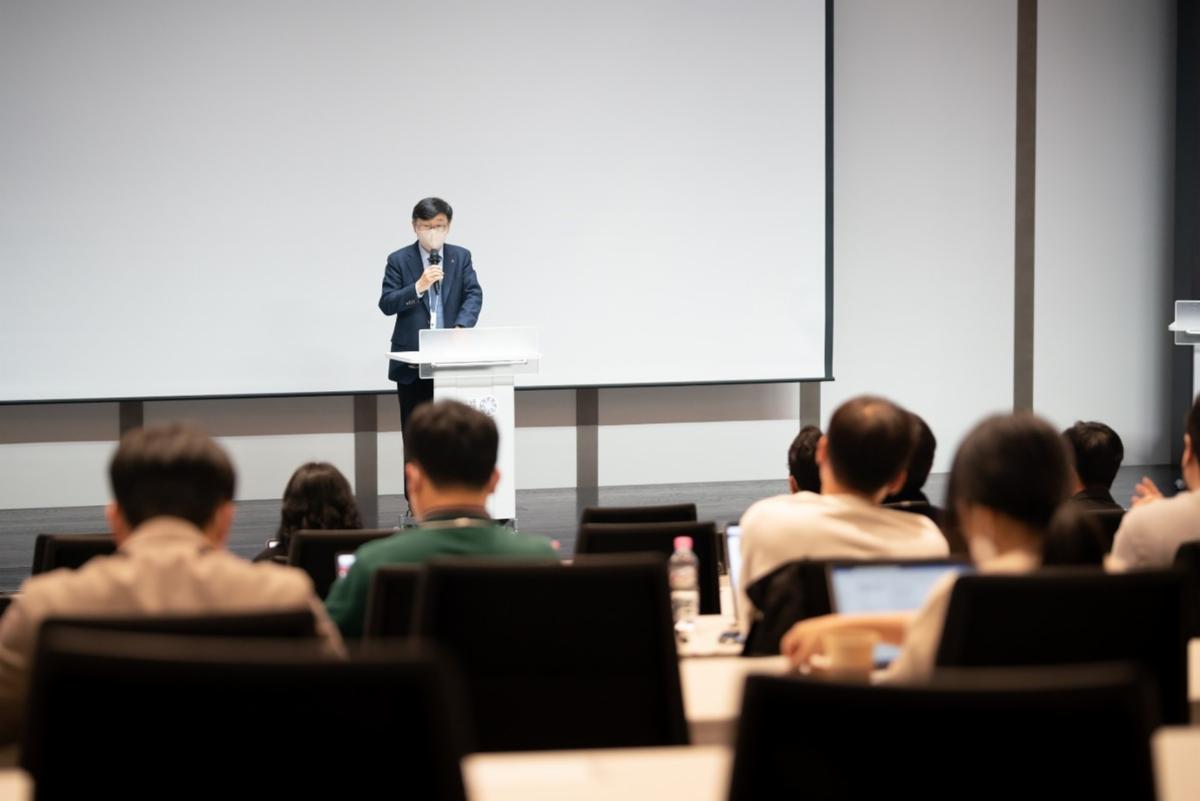
Image 2. Jungyun Seo, the AI Talent Development Supervisor of LG AI Research, delivering a congratulatory speech
Prior to the main completion ceremony, Jungyun Seo, the AI Talent Development Supervisor of LG AI Research, gave a congratulatory speech. Professor Seo emphasized the meaning of this training course by stating, “LG has considerable competitiveness as a global leader in the manufacturing sector. But it is not time to make efforts to develop new products, services, and processes, and enhance productivity by integrating AI technologies so that we can maintain our leading position in the market. The LG AI Expert Course is a program implemented to respond to such trends. Through such program, we intend to gather the capacities of LG Group’s affiliates and LG AI Research to apply AI technologies to find problems that we can address and build up a cooperative relationship.”
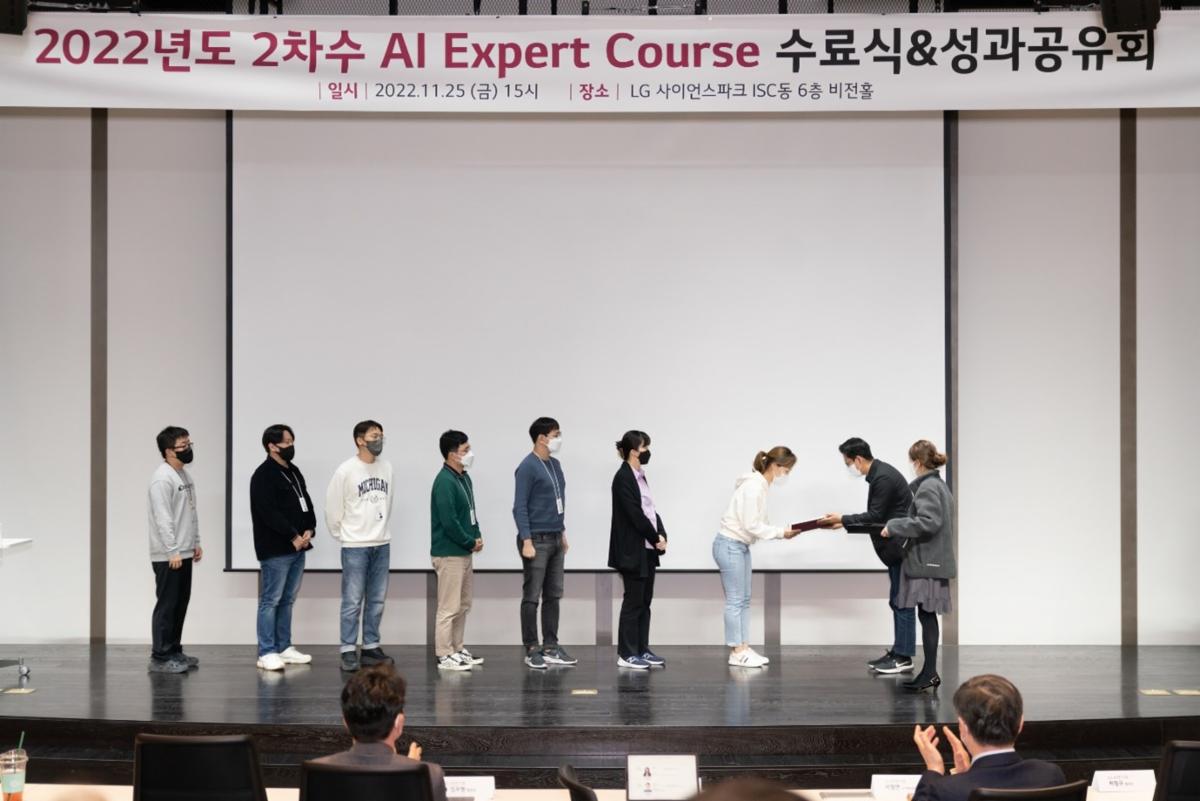
Image 3. Kyunghoon Bae, the Chief of LG AI Research, handing out the completion certificates to seven representative trainees
Kyunghoon Bae, the Chief of LG AI Research, handed out the completion certificates to seven representative trainees to praise their efforts. Chief Bae stated, “You will begin researching AI on site, which will require many efforts in using distinguished technologies. LG AI Research will continue to provide support during this process, so feel free to contact us.” He urged the trainees to continue research in AI even after the LG AI Expert Course and continue their ties with LG AI Research.
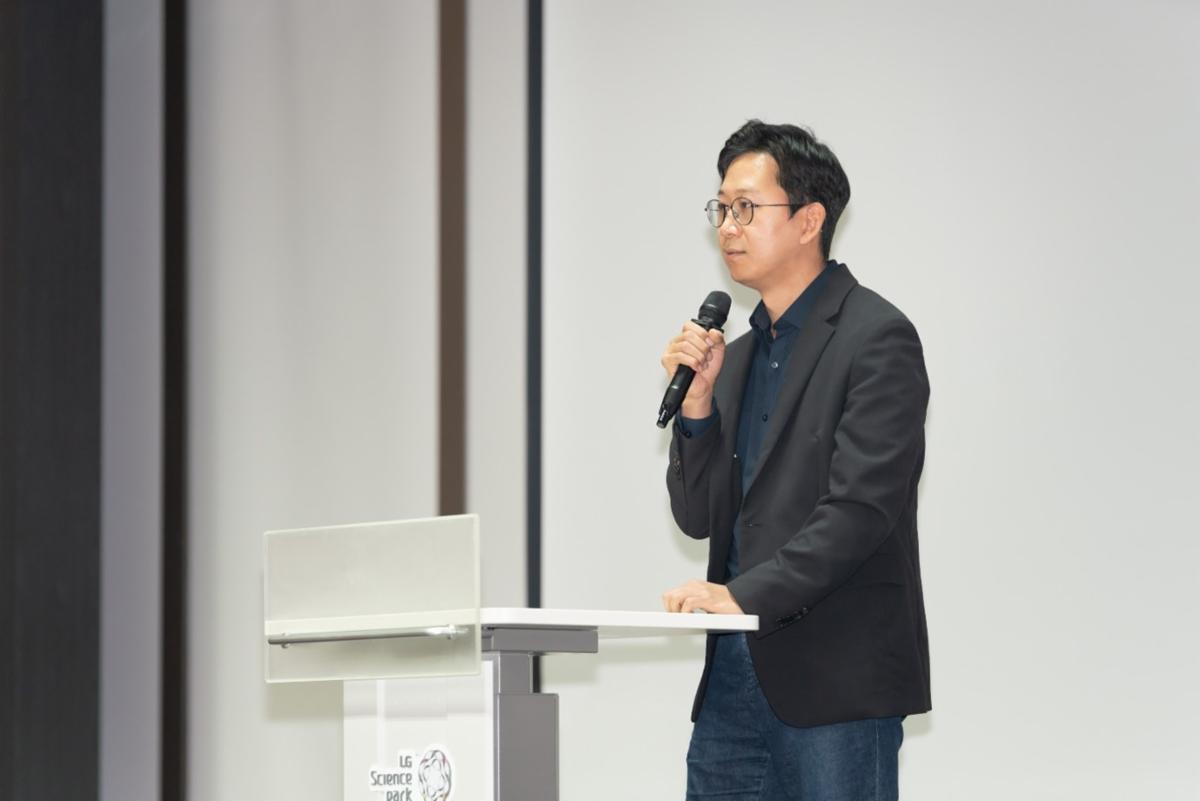
Image 4. Kyunghoon Bae, the Chief of LG AI Research, speaking to LG AI Expert Course trainees
The project made by 13 trainees who successfully completed the LG AI Expert Course program was produced as a presentation video and uploaded in the LG AI Research AI Hub. Three trainees who recorded the highest scores by adding the number of views, comments, likes and rates by employees (40%) and judge scores by LG AI Research mentors (60%) were given the honor of being selected as the BP (Best Practice). Mentor reviews were made up of a level of difficulty, business ripple effect, educational growth, etc.
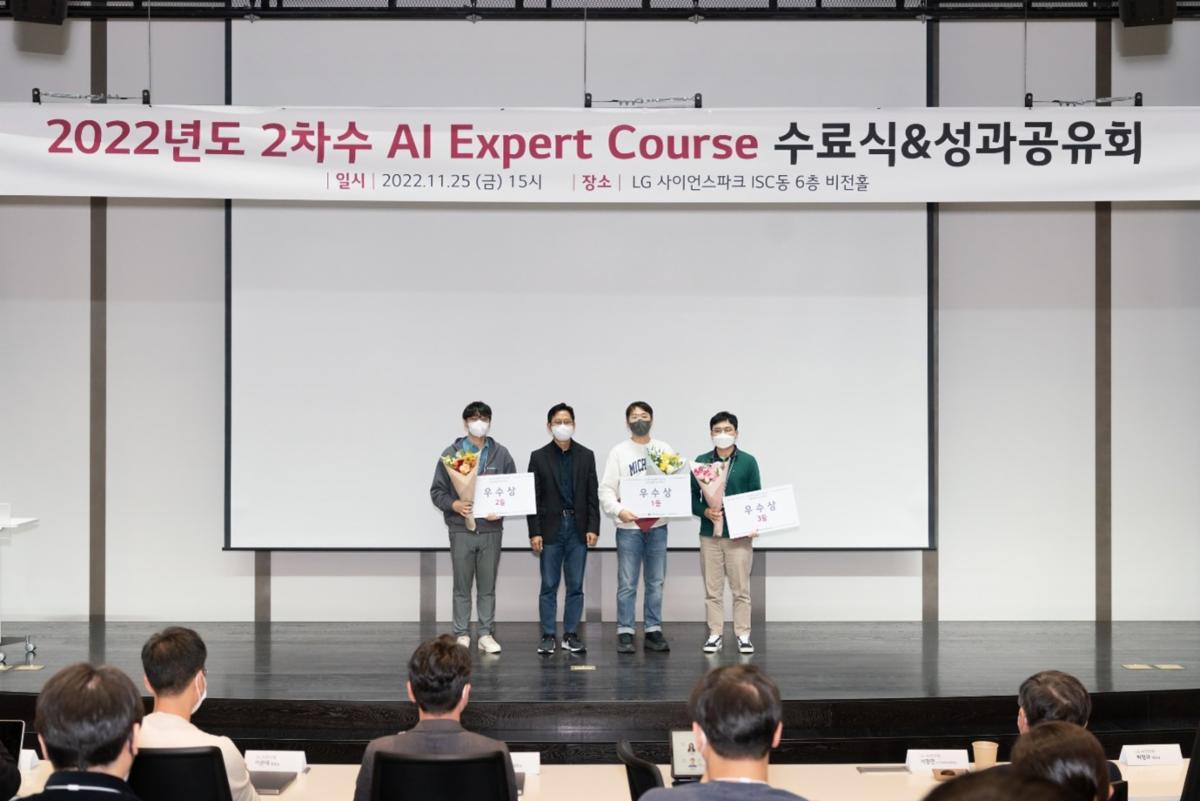
Image 5. (From left) Mentor Kanghoon Lee from Applied AI Research Lab (received award on behalf of the 2nd place winner), Chief of LG AI Research Kyunghoon Bae, Sanghyeon Lim from LG Energy Solution (1st place winner), and Hongseon Kim from LG Energy Solution (3rd place winner)
First place went to Sanghyeon Lim from LG Energy Solution for his research on the “Development of Raw Material Price Future Prediction Model” conducted together with Mentor Jinseok Yang of Applied AI Research Lab. Second place went to Younghun Yang from LG Electronics for the “Freezing Cycle-Based Product Defect/Abnormality Prediction AI Model” research conducted together with Mentor Kanghoon Lee of Applied AI Research Lab, and third place to the “Computer Vision-Based Tab Short Circuit Detection Model Development” research jointly carried out by Hongsun Kim from LG Energy Solution and Mentor Sangyun Kim of Vision Lab.
Research awarded the 1st place BP: Development of Raw Material Price Future Prediction Model — Sanghyeon Lim, LG Energy Solution

Image 6. Sanghyeon Lim of LG Energy Solution introducing his research
Sanghyeon Lim of LG Energy Solution who took the first place conducted a project on developing a model that predicts the price of metals among raw materials for batteries. The fact that he integrated AI in business optimization issues of predicting costs that go beyond issues related to technology is worth taking notice of. Lim explained the reason for selecting the research topic by saying, “The battery business that is rapidly expanding is susceptible to a lot of changes. These changes are caused mainly by the cost of raw materials. I carried out the project thinking that a major variable in the battery industry will be the ability to predict the future.”
Lim collected continuous time-series data for 10 years made up of LME costs, major indexes related to non-metals, exchange rates, etc. to perform pre-processing. To solve the problem, he used LSTM (Long Short-Term Memory), which is a type of RNN, as the approach method and conducted hyperparameter tuning and performance evaluation. The developed project will be partially used for predicting mid- to long-term metal prices in the future. The future goal is to create and predict numerous learning models and combine those prediction values to draw up an ensemble model that can make accurate final predictions.
Lim stated his future aspirations by saying, “I actually only worked at the purchasing department and not with departments related to DX. It suddenly hit me one day that I don't know much about AI that has been a rising topic, and I became scared of not knowing much about it. That is why I drew up the courage to learn. Future predictions are crucial in the purchasing sector that I work for, and since AI is also important in the battery business, I hope to continue to work and become an expert in AI.”
Research awarded the 2nd place BP: Development of Freezing Cycle-Based Product Defect/Abnormality Prediction AI Model — Younghun Yang, LG Electronics
Younghun Yang of LG Electronics who won the second place developed an AI model for predicting product defects and abnormalities based on freezing cycles. In this model, refrigerator data is diagnosed every period in the diagnosis server to detect irregular temperature. It also sends messages with the smart home platform ThinQ App to customers who had defected to receive services. Due to the nature of refrigerators, it is not timely to notify customers of defects after it occurs. Therefore, Yang carried out a project for developing an AI model that can predict defects before temperature rises.
Yang emphasized the need for research by commenting, “There was an instance where a customer who requested a repair service due to temperature irregularities of the refrigerator complaining about where she would have to store the foods if servicing is provided on the next day. The customer was a housewife in her 30s with young children and she stored a lot of food that could go bad in the freezer such as baby food and beef. No matter how soon the product defect is detected, the food inside the refrigerator would have to be exposed to an environment where it would easily go bad in about two days.”
To solve this issue, Yang used the multi-layer artificial neural network CNN to analyze visual images and the tree-based learning algorithm LightGBM (Light Gradient Boosting Machine) that adds weighted value to errors. For model improvement and optimization, he applied Belief Update, which is a technology that uses conditional probability to calculate the relationship between prior probability and post probability, and for updating policies used in reinforced learning. The model developed by Yang will be applied to LG Electronics products in 2023.
Yang talked about how he felt after completing the training course and taking the second place by stating, “I learned and studied about deep-learning technologies at my job, but I did not know about the process for developing models that would result in actual project achievements. I learned a lot about the AI trends while carrying out the project with AI experts. It was especially helpful because I was able to learn even about the back-end operation stage.”
Research awarded the 3rd place BP: Computer Vision-Based Tab Short Circuit Detection Model Development — Hongseon Kim, LG Energy Solution
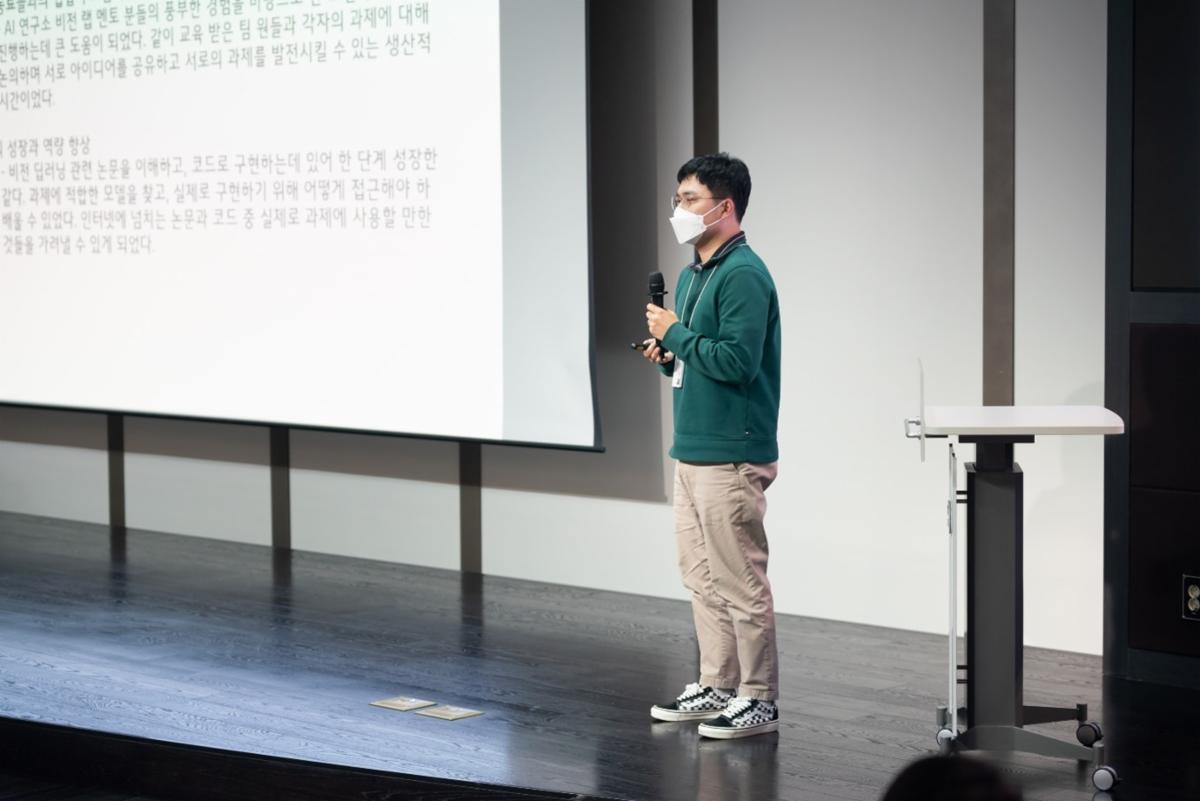
Image 7. Hongseon Kim of LG Energy Solution introducing his research
Hongseon Kim of LG Energy Solution, who received the third place, developed a model for tab short circuits using computer vision technologies. Tab short circuit defects refer to partial shorts on tabs made with thin metals. In the past, it was difficult to differentiate shorts and creases when detecting defects from images while producing tabs. Kim solved this problem by using the computer vision model.
Kim emphasized the importance of the research by explaining, “Short circuits in tabs are defects that occur during the manufacturing process, and can therefore have a critical impact on product quality. In particular, it is very important to detect these issues in advance to release quality products in terms of manufacturing quality control.” He also talked about some of the difficulties that he experienced by saying, “The reason why this is a difficult issue is because first off, there are very few defect images. Even normal images all look different and don’t go by a set of rules. There are also many blurs in images because parts of CCTV video frames were cropped instead of using a vision inspector.”
In order to solve such problem, Kim used the anomaly detection model and the PatchCore model, which currently has the best performance in process image datasets. In result, he achieved a performance level in which of 5,000 tab images, there were only four that were not detected, and only two cases where normal products were recognized as being defective. The model developed in this project will be applied to other image anomaly detection models.
Kim explained, “This was a 12-week period in which I was able to sufficiently identify, understand and run the model appropriately. Furthermore, it was very beneficial as I was able to read papers about vision deep learning and also examine several other models. Other projects with many human errors are being carried out with AI, and because accuracy has improved significantly, it is satisfactory even at the actual worksites.”
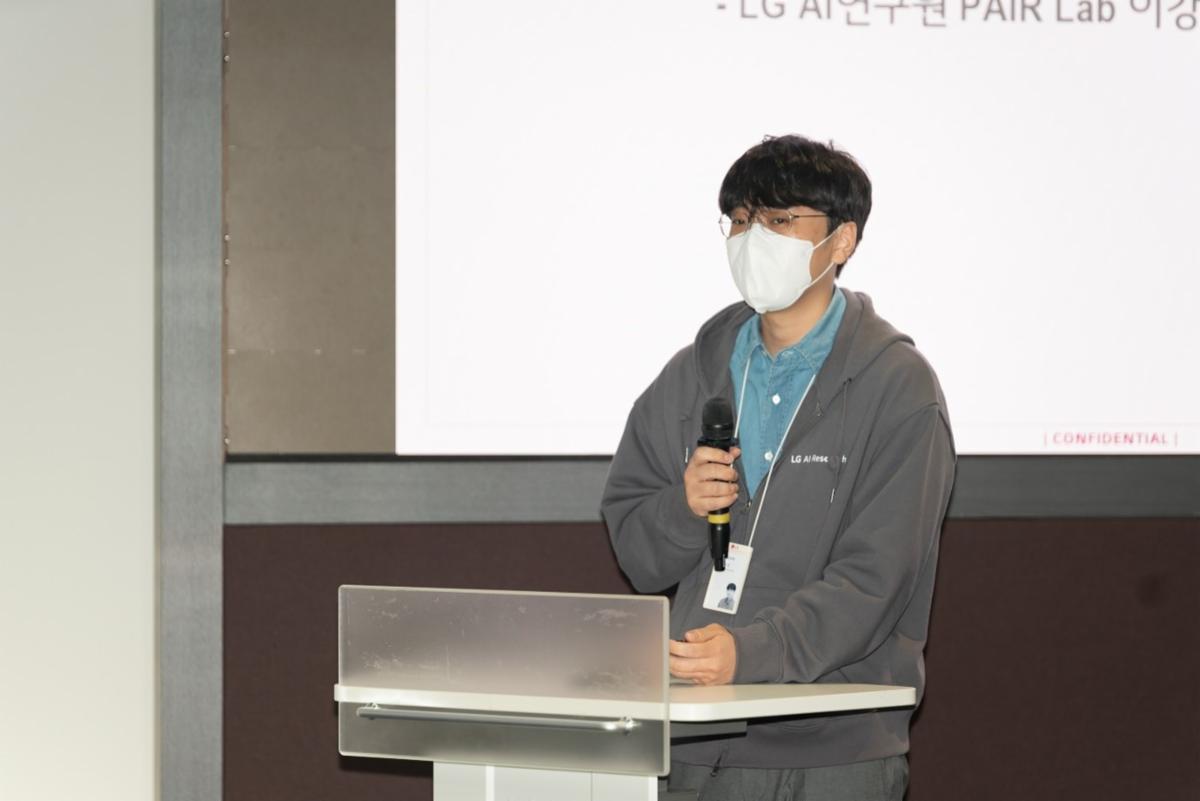
Image 8. Mentor Kanghoon Lee from Applied AI Research Lab giving a presentation on Lesson & Learned
After the BP presentations, Applied AI Research Lab Mentor Kanghoon Lee, who was the mentor for Younghun Yang who received the second place, spoke about his experience participating in the LG AI Expert Course in the Lesson & Learned session. Lee commented, “While there has been growing interest in AI technologies as of late, there are few instances that actually provide direct help to the industry. Through several AI Expert Courses and AI Graduate School, we were able to mitigate such concerns. I was able to once again confirm through this mentoring program that AI technologies are already changing the world and providing practical assistance in many areas.
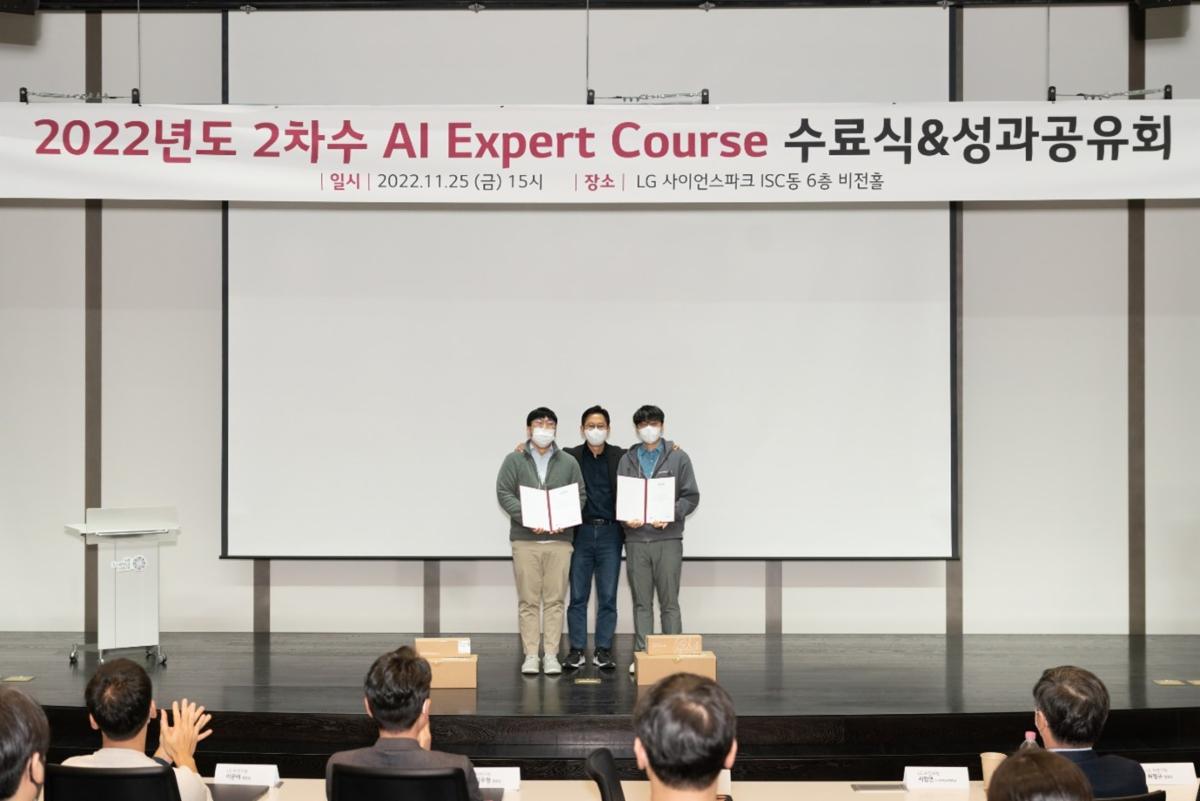
Image 9. (From left) Wonbin Ahn and Kanghoon Lee of the Applied AI Research Lab who received Mentor Awards
There was more to the event. At this LG AI Expert Course performance-sharing event and completion ceremony, Mentor Awards were given to mentors who provided guidance to five or more mentees in total at the LG AI Expert Course and LG AI Graduate School. The Mentor Award was newly established to express gratitude to LG AI Research members who worked hard to improve the AI capacities of the LG Group. The honors of the first award went to Wonbin Ahn, Kanghoon Lee, and Jinseok Yang of the Applied AI Research Lab.
The 2022 2nd LG AI Expert Course performance-sharing meeting was a meaningful event where LG Group affiliates and LG AI Research teamed up to solve various industrial issues using AI and to solidify the cooperation system. LG AI Research will continue to strive to solve current work issues within the LG Group and actively promote training programs for fostering AI talents.