 Sooyoun Park
2024.02.05
Sooyoun Park
2024.02.05
LG AI Research's Perspective on CES 2024 and the Future of AI Technology
|
Contents 1. A world connected by technology: “All together, All on.” |
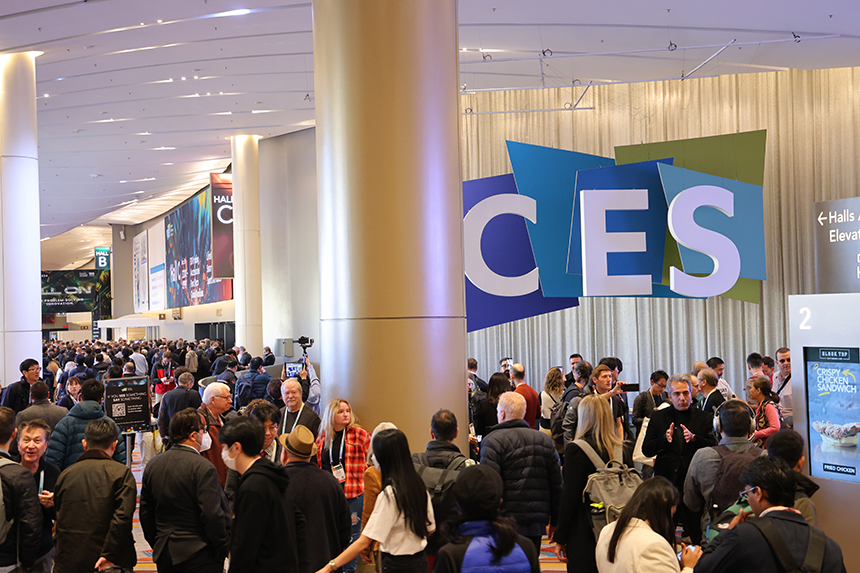
Image 1. CES 2024 exhibition hall ⓒCTA
The Consumer Electronics Show (CES) 2024, the world’s largest technology trade show, took place in Las Vegas from January 9th to 12th (local time). Now in its 57th year, CES 2024 has attracted more than 4,000 companies from 150 countries to showcase their latest technologies, products, and services, with technologies in the AI field taking center stage. LG AI Research was also on-site at CES 2024. We will be looking at the AI technology trends seen at the event, and how they are making their way into products and services.
1. A world connected by technology: “All together, All on”

Image 2. CES 2024 official promotional poster ⓒCTA
The theme of this CES 2024 was “All together, All on” The message is to connect all technologies and industries to solve humanity’s problems. In particular, the prediction was that technology convergence and innovation will be centered on AI, focusing on five themes: 1) AI, 2) mobility, 3) food and AgTech, 4) health and wellness tech, and 5) sustainability and human security.
AI technology is now deeply embedded in many aspects of our everyday lives, fundamentally changing the way we experience and interact with the world. CES 2024 provided insights into how AI is fueling innovation in a variety of industries and how it impacts our daily lives and work.
2. AI technology trends seen in keynote speeches
This trend was also evident in the keynote speeches delivered by global industry leaders. The keynote speeches at CES are often viewed as an indicator of what industry sectors CES is focusing on that year and where the industry is headed in the future. At CES 2024, keynote speeches in the AI field by Intel, L'Oréal, Walmart, and Qualcomm gained attention.

Image 3. Intel CEO Pat Gelsinger giving his keynote speech ⓒIntel Corporation
On January 9th, Intel CEO Pat Gelsinger spoke to CNBC Nasdaq correspondents about the “critical role semiconductors and software play in making AI more accessible.”
In his keynote, Pat Gelsinger called himself a “Technology optimist” and explained that, “Technology is a neutral platform. Whether technology will have a positive impact or not depends on how we shape and use it. We’re solving problems by using technology as a positive force. I believe that technology, including AI, can be an incredible force for good.”
He likened the development prospects of AI PCs to Wi-Fi. “Intel contributed to the development of Wi-Fi, but nothing happened in the first 2 to 3 years of development. However, after the launch of the Centrino, a laptop equipped with Wi-Fi, suddenly every cafe, hotel, and office needed Wi-Fi. AI PCs will be viewed similarly in 20 years,” he predicted, while adding, “User interfaces will also change. Instead of typing commands, you’ll be able to perform functions by talking, and use AI services on your local PC without having to access the cloud.”
▶ See the full version of CES 2024 keynote speeches : Intel | Qualcomm | L'Oréal | Walmart
3. LG AI Research’s Perspective on CES 2024
At CES 2024, a number of products and services that utilize AI technology were unveiled. Here are three key takeaways from CES 2024, as summarized by LG AI Research. For each of these points, we will take a look at what products and services the major companies were showcasing at the event.
|
KEY POINT 1. ‘On-device AI’ and user experience transformation |

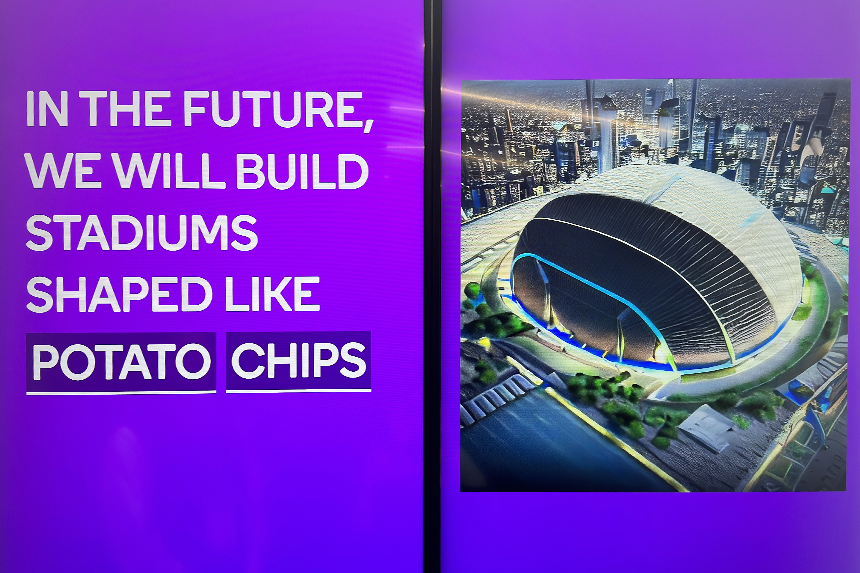
Image 4. When ‘Potato Chips’ was entered, an image of an oval dome stadium shaped like a potato chip was generated
Qualcomm CEO Cristiano Amon emphasized “on-device AI” in his keynote address, and the Qualcomm booth featured hands-on demos of on-device AI. At its booth, Qualcomm showcased a mobile platform powered by the Snapdragon 8 third-generation model, a demo that allows users to write any word they want in the blanks of a sentence, generating an image that fits the sentence the user has completed. By inputting “potato chips” in the sentence “In the future, we will build stadiums shaped like 000,” an image of an oval dome stadium shaped like a potato chip was generated.
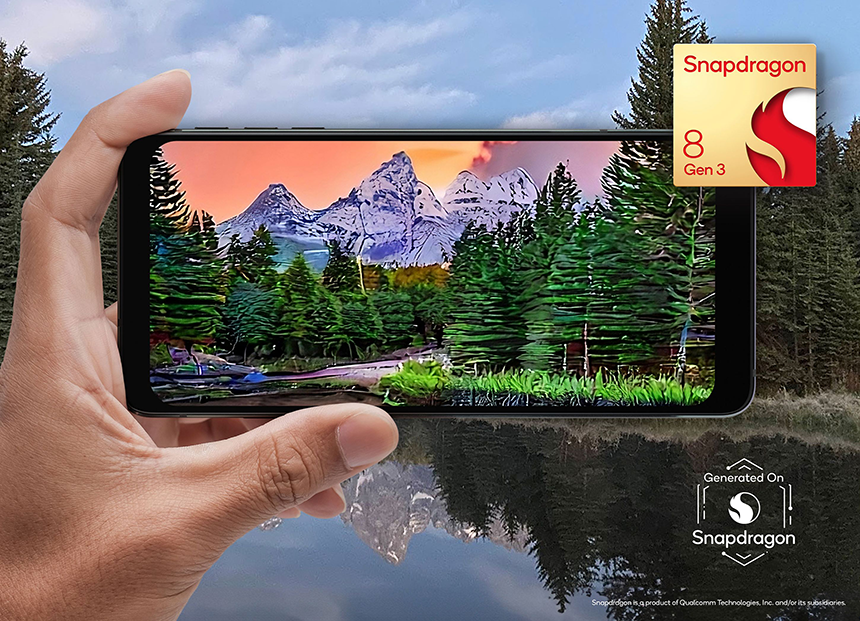
Image 5. Qualcomm Snapdragon 8 third-generation mobile platform concept image ⓒQualcomm
Snapdragon 8 third-generation is a mobile application processor (AP) optimized for generative AI, and is the first mobile platform designed with generative AI in mind. It won the CES 2024 Innovation Award for its ability to enhance users’ mobile experience.
Meanwhile, Qualcomm has also introduced new innovations in mobility with its Snapdragon Digital Chassis solution. The company presented its technology and vision in the areas of Digital Cockpit, Connected Car technology, and Advanced Driver Assistance (ADAS) to enable the next generation of generative AI, and showcased the applications of generative AI in the automotive industry.
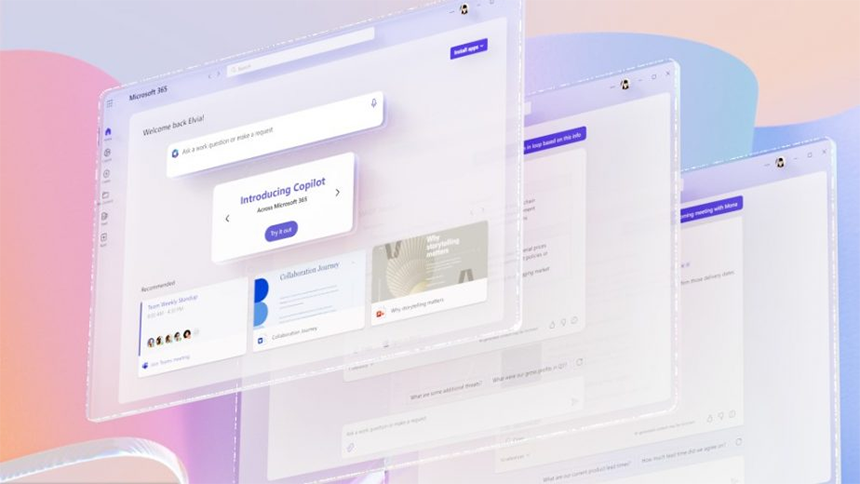
Image 6. Microsoft Copilot concept image ⓒMicrosoft
Meanwhile, another piece of news that is not on-device AI, but may revolutionize the user experience came out of CES 2024. Microsoft (MS) announced that it will introduce a “Copilot” key on keyboards. The Copilot Key is an interaction key that enables Windows to seamlessly integrate AI services, marking the first change in Windows’ default key configuration in 30 years since the introduction of the Windows Key in 1994. Just as pressing the Windows key on the keyboard has made it easy to use Windows functions, pressing the Copilot key will call up AI features and is expected to revolutionize the AI experience for users.

At CES 2024, we got to see generative AI services from a variety of South Korean companies. A total of 772 Korean companies had booths at CES 2024, the third-largest number of all countries in attendance. First place was the host country, the United States, with 1,148 companies and second place was China, with 1,104 companies.
It is also worth noting that 66% (512 companies) of Korean companies at CES 2024 were categorized as startups. Most of the Korean startup booths were located in the Eureka pavilion at the Venetian Expo. At the booths of Korean startups, visitors were able to try out a number of products and services that leverage generative AI technology, many of which were recognized with CES 2024 Innovation Awards.
Studio Lab’s Seller Canvas
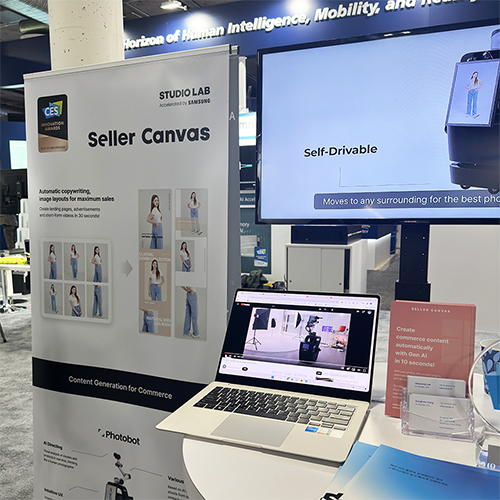
Image 7. “Seller Canvas” displayed at the Studio Lab booth
Studio Lab introduced “Seller Canvas,” which automatically generates product detail pages and commerce content when product images are uploaded. This service uses machine learning and vision AI to extract information from product images and generate designs and descriptions that match the product. The Studio Lab booth also featured a filming robot that automates photo shoots, making it possible for anyone to take high-quality commerce shots. Seller Canvas was awarded Best of Innovation in the AI category at CES 2024.
Cream’s AiD
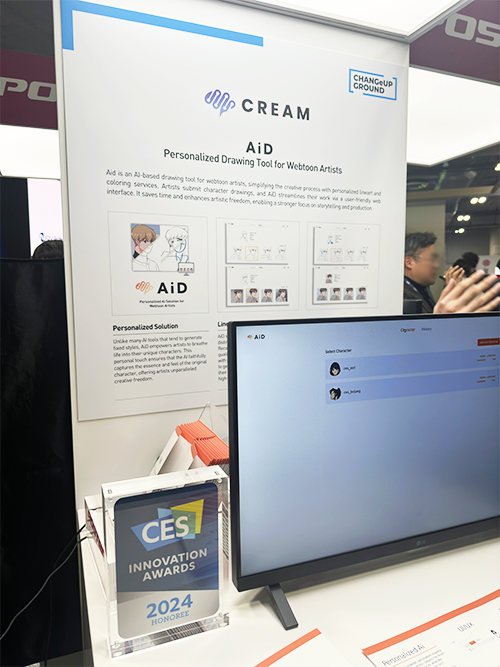
Image 8. “AiD” displayed at Cream’s booth
Cream introduced “AiD” an assistant writer service to support webtoon authors. From just a few images, AiD is able to generate line art and colorized versions that consistently depict a character’s figure, appearance, clothing, and hairstyle. Additionally, when an artist enters a simple storyboard, the line art and coloring work is automatically completed. At the Cream booth, visitors were able to watch a demo that learned using five images of a male cartoon character to generate line art, a color palette, and contrast. Inserting a simple piece of content with the character’s outline and composition generated line art, coloring, and contrast in the face. “AiD” won an Innovation Award in the AI category.
Pion Corporation’s VCAT.AI
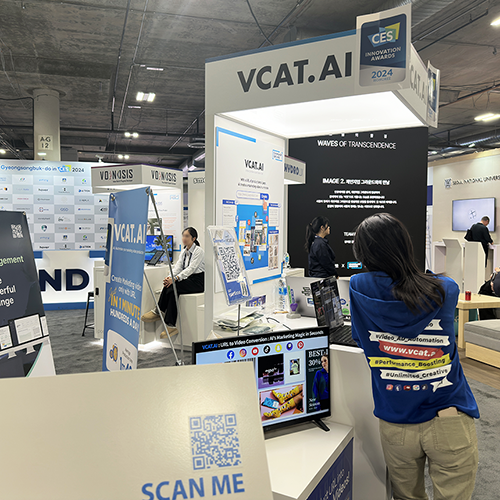
Image 9. “VCAT.AI” displayed at Pion Corporation booth
Pion Corporation introduced “VCAT.AI” a service that lets you enter a product URL to have AI create advertisement copy and videos. VCAT.AI is a service that analyzes information related to a product through the URL you provide and automatically creates short videos and banner images based on that information. At the booth, visitors could enter the URL of a product and see how the advertising concept is derived by analyzing the product image and text, and how the video is created by selecting the appropriate ad copy and template. VCAT.AI also won an Innovation Award in the AI category.
Onoma AI’s TooToon, Nation A’s Neuroid
Onoma AI introduced “TooToon,” a generative AI-based webtoon production assistance service. TooToon allows users to enter simple ideas and keywords, and it automatically generates a synopsis in the form of a storyline. Line art with different compositions can also be generated to match this synopsis. TooToon won the Innovation Award in the AI category.
Nation A showcased “Neuroid,” a generative AI-powered 3D content creation software that can generate three-dimensional motion content within seconds as users enter text. For the development of Neuroid, Nation A has developed an AI foundation model based on over 250 million motion data and is cooperating with domestic companies such as Krafton and Zepeto. Neuroid won Innovation Awards in the AI, Web3, and Metaverse Technologies categories.

At CES 2024, we saw that companies are combining existing services with generative AI to create new value-added services.
Google’s Magic Compose, Wallpaper production, New ways to search
First, Google presented “Android AI” and announced plans to expand the ecosystem of the Android operating system. They showcased some software that utilizes generative AI on Android, most notably “Magic Compose” in Google Messages.
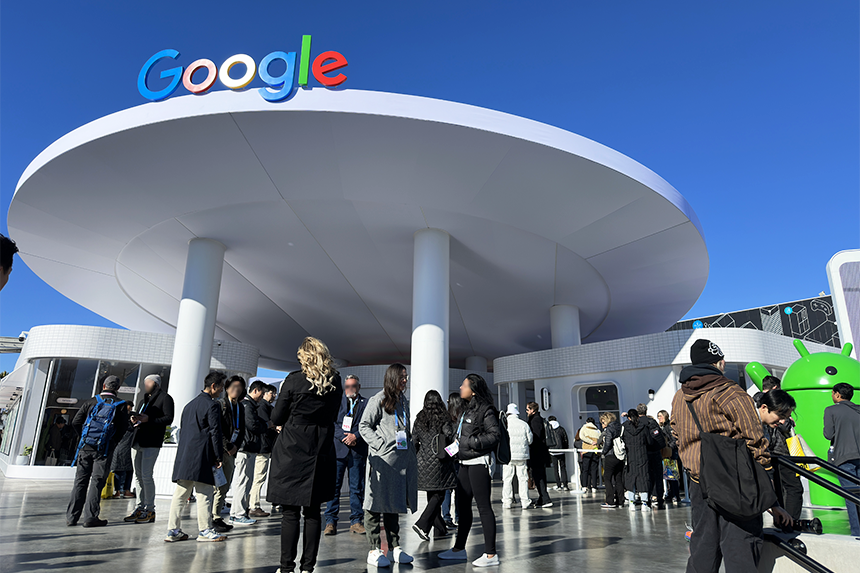
Image 10. Google booth at CES 2024
Magic Compose is an AI-based feature that converts characters entered by the user into various tones and manners. For example, when converting the sentence “What happens in Vegas, stays in Vegas” to Shakespearean writing, the result was “What transpires in yonder city of revelry remains sequestered within its gilded confines.”
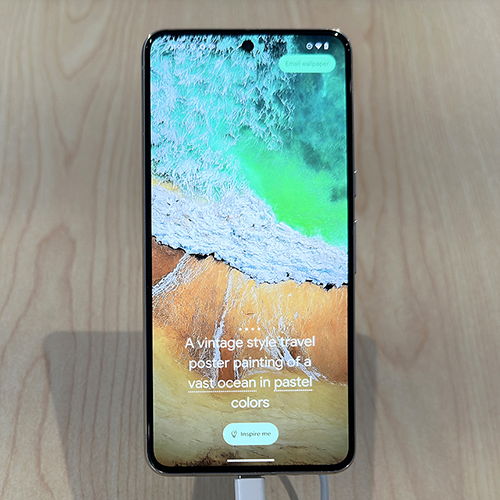
Image 11. Screenshot of the wallpaper feature installed on the Pixel 8 and 8 Pro at the Google booth
At Google’s booth, visitors could try out a variety of services that utilize generative AI technology. The first is a feature that allows generative AI to create wallpapers (AI wallpapers). A background image and a sentence are provided, allowing the user to modify the underlined words in the sentence with texts that support the user’s choice. Then, generative AI creates a new wallpaper that matches this sentence.This feature was introduced as installed on the Pixel 8 and 8 Pro.
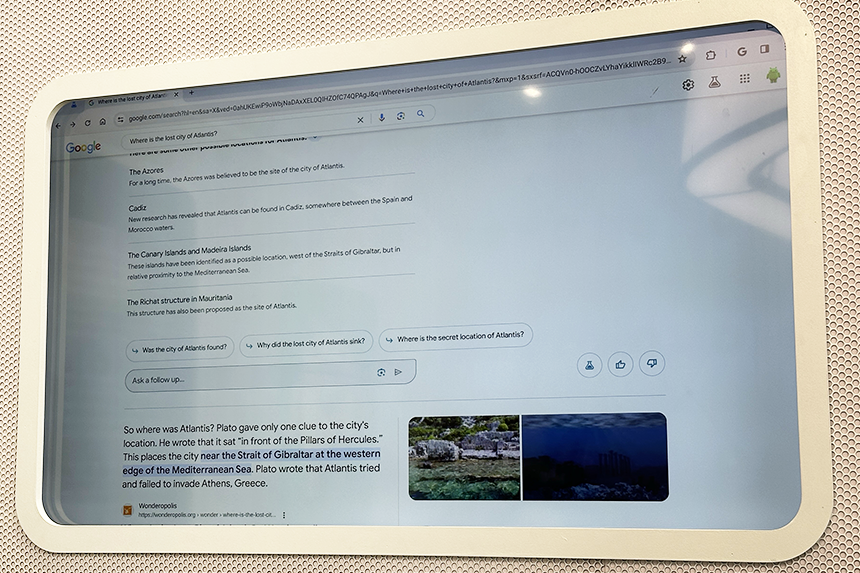
Image 12. “New Ways to Search” demo at Google’s booth
Google’s booth also featured the “New Ways to Search” demo, which uses generative AI to improve the search experience. This feature allows users to search for information using Google in a conversational way, as well as provide options for additional search questions. As shown in Image 0, generative AI is suggesting additional search questions.
Generative AI technology applied to Walmart search
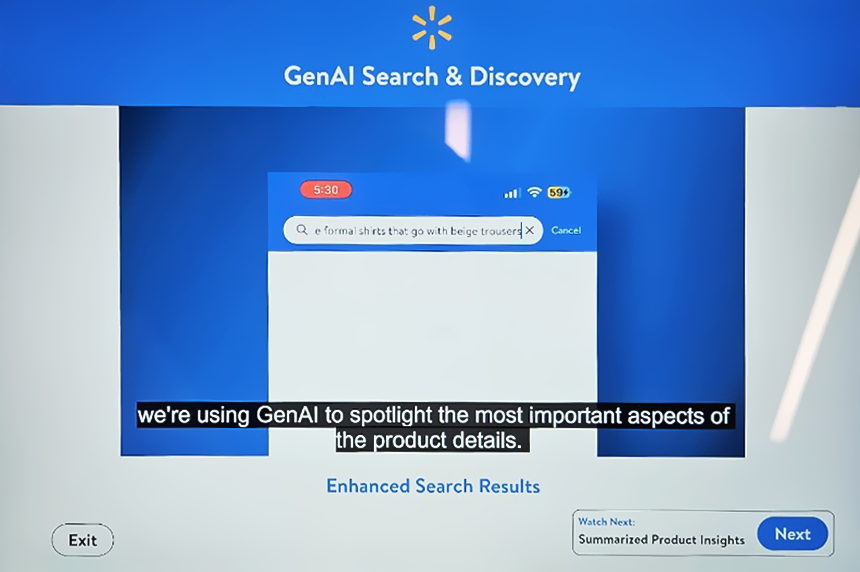
Image 13. “GenAI Search & Discovery” demo screen at Walmart’s booth with generative AI technology applied
Walmart announced that its new generative AI-powered search feature is now available on iOS, and will soon be available on all platforms. Specifically, a new generative AI search feature that leverages Microsoft’s Azure OpenAI service allows users to search for products using specific use cases instead of brand names or items.
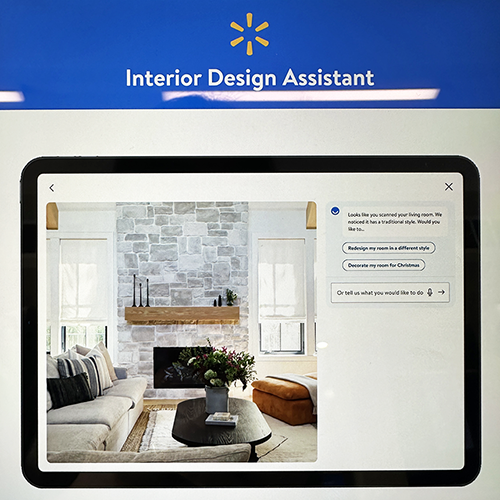
Image 14. Interior Design Assistant demo screen at Walmart’s booth
Walmart also showcased several cases of using generative AI to enhance the shopping experience. For example, if a customer asks to recommend a shirt to go with beige pants to wear to a meeting, Walmart provides a summary of the product details and user reviews. The “Interior Design Assistant” is a generative, AI-powered interior assistant that lets you ask how to decorate a room for Christmas and shows you images of rooms decorated with products from Walmart, along with information and prices on those products. Customers can shop with this information and conversation-type interactions are possible.
Amazon’s Alexa applied to BMW vehicles
At CES 2024, we saw several services applying AI to automotive mobility. Amazon and BMW are prime examples. A BMW vehicle was on display at Amazon’s booth. The BMW Group and Amazon unveiled a generative AI voice assistant powered by Alexa that utilizes a large language model (LLM). This AI assistant allows users to control various features of the car with voice commands. For example, you can ask your BMW’s assistant feature to recommend driving modes for your BMW and activate the selected mode without having to find your vehicle’s user manual. Also, when you ask questions about how a vehicle feature works, such as the park assist system, the voice will explain it in a way that’s easy to understand.
4. From Artificial Intelligence to Affectionate Intelligence, LG’s AI technology revolutionizes everyday life
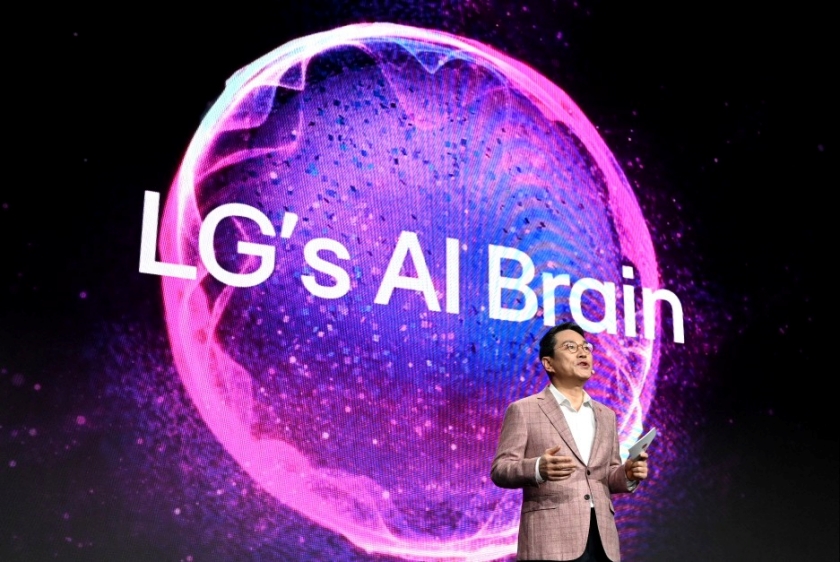
image 15. CEO Joowan Cho speaking at the LG World Premiere ⓒLG Electronics
LG Electronics held the LG World Premiere with the theme “Reinvent Your Future” at the Mandalay Bay Hotel in Las Vegas, USA, one day before the opening of CES 2024. That day, LG Electronics CEO Joowan Cho introduced the meaning of AI, which LG Electronics has redefined from a customer experience perspective, and the three differentiators of LG Electronics’ AI technology: 1) Real-Time Life Intelligence, 2) Orchestrated Intelligence, and 3) Responsible Intelligence.
At the CES 2024 booth, we also operated an exhibition hall that materialized smart life solutions under the theme of “Reinvent Your Future,” which encompasses redefining the future of customers. We showcased future innovations that extend beyond appliances into home, commercial, and mobility.

image 16. LLG Electronics’ “Smart Home AI Agent” ⓒLG Electronics
In particular, the “Smart Home AI Agent” a household assistant robot that roamed the CES 2024 booth and greeted attendees, drew a lot of attention. The Smart Home AI Agent uses a variety of sensors to detect your words, actions, and even emotions to suggest solutions. For example, it detects your heart rate and breathing to determine your health status and automatically adjusts the temperature and humidity in your home accordingly. In addition to the Smart Home AI Agent, we presented a “smart life solution” that connects sensors and IoT devices around the house to showcase AI technology that permeates our lives.
5. CES 2024, the first big battleground for AI technology, and why we’re excited for what’s to come
CES 2024 marks the first time that big tech companies all around the world really competed in AI technology. If last year was a period of rapidly growing public interest in AI, CES 2024 marked the beginning of the commercialization of AI semiconductors, with hardware companies showing off a variety of devices to gain a competitive form factor advantage in the AI hardware market. Software companies have also shown the potential to apply AI to all areas of our lives and industries.
We saw examples of AI applications in various fields such as food and AgTech, health and wellness tech, and various generative AI technologies in consumer products across various industries. In particular, global companies applied generative AI technology to their existing services to provide more interactive service experiences, and startups introduced a number of services that used generative AI to increase productivity.
On one hand, it was an opportunity to look forward to further development of AI technology in the future. Even before CES 2024 began, it was clear that “the buzzword was AI” and many people were paying attention. However, it was difficult to actually find any unique AI-based services that could only be found at CES 2024, and they were not so different from the AI services that existing AI development companies have been researching and showcasing. Given the name and meaning of CES as a “Consumer Electronics Show,” it is difficult to say that there were any AI consumer products that could only be found at CES 2024. In other words, this suggests that the AI industry itself is still in its infancy, and there is a lot of potential for future advances in AI technology and service development. As AI technology continues to develop rapidly, we look forward to seeing services that will revolutionize our lives.