LG AI Graduate School Makes 2nd AI Talent Achievement
LG AI Graduate School celebrated its second graduating ceremony. Officially launched in March 2022, the LG AI Graduate School is a program designed to enhance LG Group's AI capabilities and cultivate talent from subsidiaries into AI experts. The program offers graduate-level theoretical classes and case studies spanning various industries. On February 6, LG AI Research held a ceremony at the Vision Hall in LG Science Park to commemorate the second batch of graduates from the LG AI Graduate School.
Given the limited availability of AI talent, the LG AI Graduate School employs a specialized curriculum tailored for employees already acquainted with AI. The curriculum's practice-oriented structure enables graduates to seamlessly apply their acquired knowledge in their work. Operated by leveraging AI expert resources within LG AI Research, the LG AI Graduate School has seen nine Master's graduates complete the program since its pilot course and official opening in 2021.
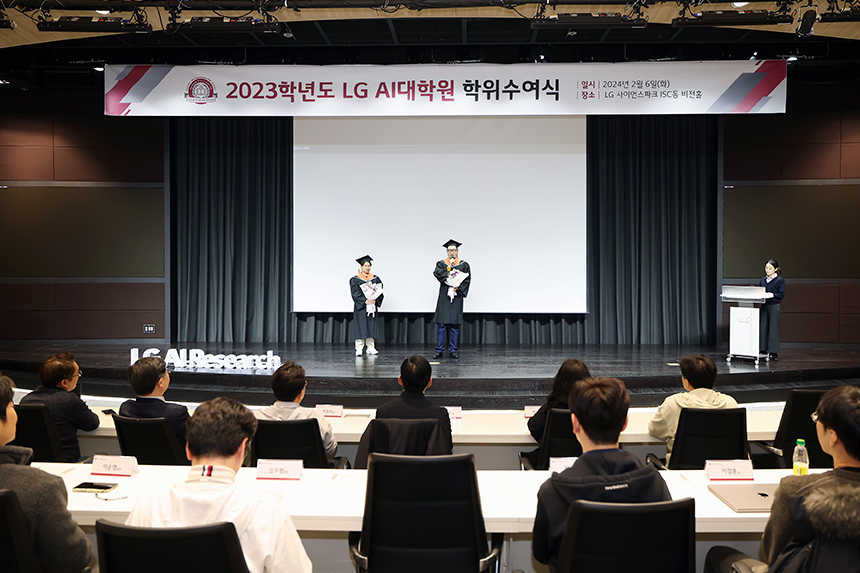
Image 1. 2023 LG AI Graduate School Graduation Ceremony
Students who obtained this degree also started by researching the area they wished to study. They then progressed through coursework and research, culminating in the submission of their Master's thesis through a self-designed research project. Subsequently, they underwent a proposal and defense process, mirroring the requirements of an external graduate school. In addition, the LG AI Graduate School has formed a three-person screening committee, including one professor invited from an external AI graduate school, to ensure that the theses were recognized.
Professors from LG AI Research who had provided guidance to the graduates attended the degree ceremony and celebrated their accomplishments together. Jungyun Seo, AI Talent Development Supervisor at LG AI Research, said “I encourage you to continue to ask questions and tackle new challenges using the AI technology that you learned during your time at LG AI graduate school ” at the ceremony.
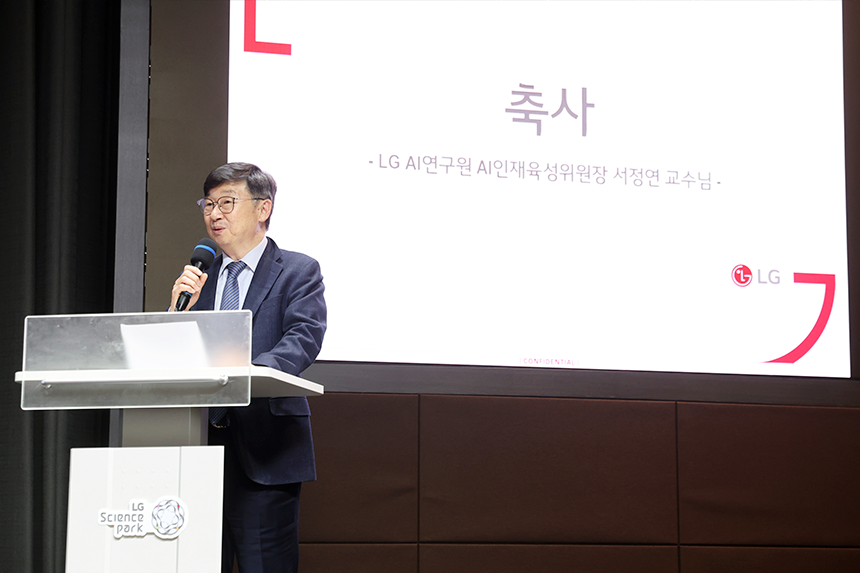
Image 2. The AI Talent Development Supervisor of LG AI Research, Jungyun Seo, giving a congratulatory message
The Master’s degree certificates were then presented to Wonsik Lee, professional of LG Display and Dongseok Ji, professional of LG Innotek. Wonsik Lee of LG Display graduated with the paper on the optimal optical design of directional displays using Bayesian optimization, and Dongseok Ji of LG Innotek graduated with the paper on a language model-based framework for extracting key requirements from unstructured automotive S/W requirement documents.
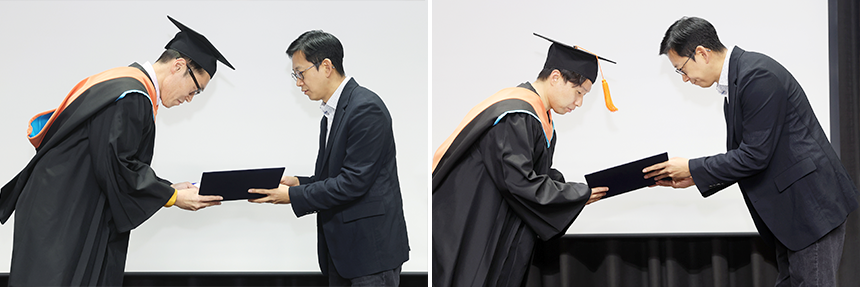
Image 3. Kyunghoon Bae, the Chief of LG AI Research, delivers the certificates to Dongseok Ji,
professional of LG Innotek and Wonsik Lee, professional of LG Display(from left)
“Beginning your journey as an AI expert starts at LG AI Graduate School. I hope you will continue pursuing your PhD and establish a stable position at LG” remarked Kyunghoon Bae, President of LG AI Graduate School and Chief of LG AI Research, extending congratulations and encouragement to the graduates.
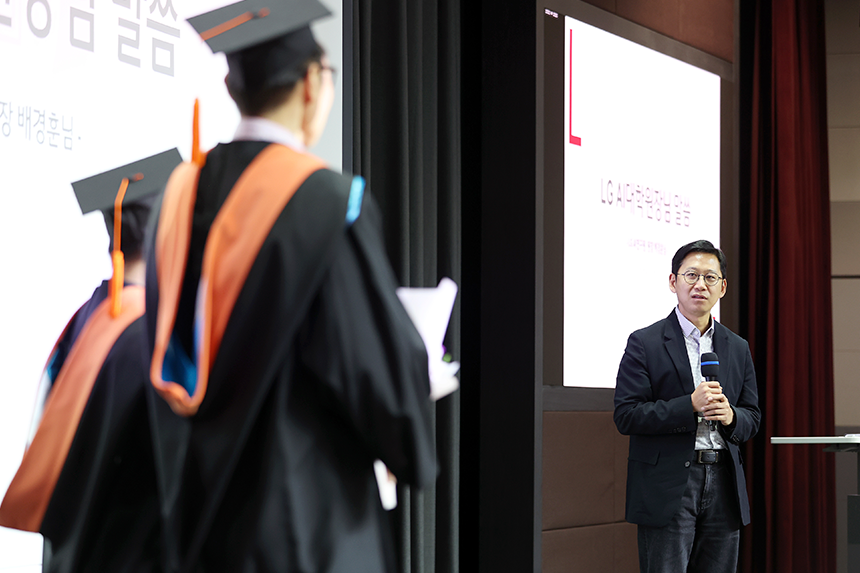
Image 4. Kyunghoon Bae, Chief of LG AI Research, encourages 2 graduates

Q. What kind of research did you do at the LG AI Graduate School?
(Wonsik Lee, LG Display) I conducted research on the topic of design optimization using Bayesian optimization. In the field, I attempted to address the design optimization problem using AI with MLP based on extensive simulation data. However, acquiring a substantial amount of data proved challenging, leading to unsatisfactory results. Then, I was introduced to Bayesian optimization through the LG AI Graduate School, and I was able to obtain research results that showed that optimal designs can be derived using relatively little data. If applied in the real world, I believe it will be possible to identify the optimal design that satisfies the customer's request in a short amount of time, even with limited data.
(Dongseok Ji, LG Innotek) I conducted research on an AI model capable of extracting text relevant to the desired context from unstructured documents in various formats, transforming it into a structured format. In my fieldwork, specifically when developing software for vehicles, there's a requirement to furnish customers with evidence validating the program's stability. Given the extensive nature of this evidence and the varied formats dictated by customer requirements, the analysis process demands considerable time and effort. I expect that using the model studied at the LG AI Graduate School will enhance our ability to efficiently analyze our customers' requirement documents.
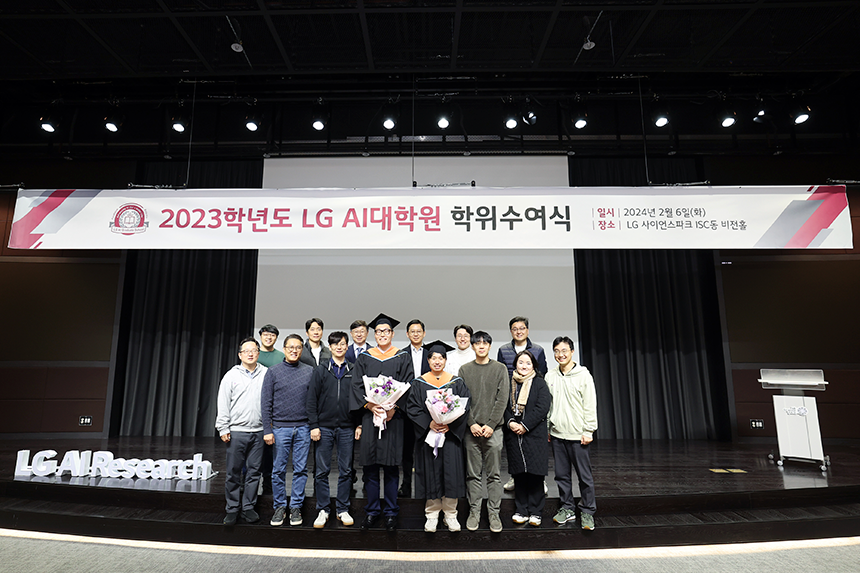
Image 5. 2023 LG AI Graduate School Graduation Ceremony
Q. How do you feel about graduating from the LG AI Graduate School? Tell us about any memorable moments during the course.
(Wonsik Lee, LG Display) At the end of the program, I experienced a small twinge of regret, feeling that I should have been more ambitious and worked even harder. However, I am hopeful that I can effectively apply and advance the knowledge and experiences I gained in the field.
One of the most memorable aspects of the program was undoubtedly the process of writing my paper. It was my first time composing a research paper, and organizing all the material I studied at the LG AI Graduate School into a single book posed its challenges. Yet, the sense of accomplishment I felt upon receiving my hardcover paper was comparable to the pride one feels for their own child.
(Dongseok Ji, LG Innotek) I'm very excited to be graduating, and I'm grateful to all the people who helped me along the way. This is my first graduate school experience, so everything's quite new to me.
The weekly seminars and discussions were enjoyable, as were the midterm exams, and the somewhat nerve-wracking paper proposal and defense were memorable. As a software developer, I thought I was used to defining problems and systematically organizing choices, but I don't think I've ever had to rigorously examine and prove the reasons and rationale behind every choice to this extent, so it was interesting. It was particularly rewarding to learn how one must 'properly' prepare to make a 'proper' argument.
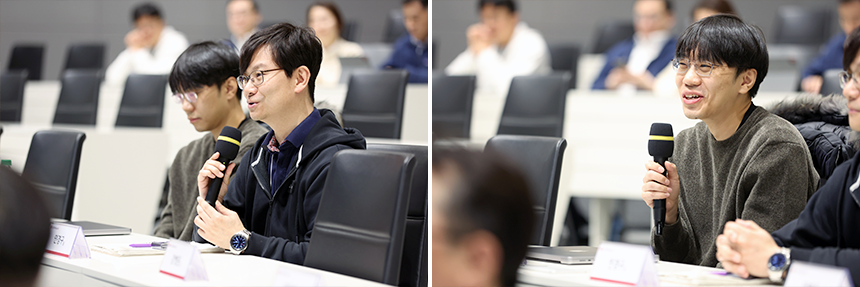
Image 6. Professor Kyungkoo Min, Language Lab and professor Kanghoon Lee, DI Lab at LG AI Research
Q. How did you like the mentorship from LG AI Research?
(Wonsik Lee, LG Display) I received the best support from Professor Kanghoon Lee of the Digital Intelligence (DI) Lab, LG AI Research. Nowadays, it's possible to discover and apply suitable AI algorithms for various problems through internet searches or large-scale AI like LG's EXAONE. However, blindly addressing issues using AI technology without an accurate understanding of the algorithm or a lack of quality data poses significant challenges. In such situations, the solid skills and problem-solving experiences of my top-tier mentors provided me with trending technology and approaches suitable for real-world problems. Their coaching also helped me develop a precise understanding of algorithms and a discerning perspective for problems.
(Dongseok Ji, LG Innotek) I enjoyed studying with Professor Kyungkoo Min of the Language Lab, LG AI Research,m because I could easily engage in discussions with him. In particular, through the weekly seminars and discussions, I believe I learned not only new theories but also how to organize my thoughts and communicate them efficiently. I gained insights into how to approach theories critically and realized the importance of asking questions. Professor Kyungkoo Min consistently posed questions from different perspectives, making it both enjoyable and motivating to contemplate and respond to them.
Q. Tell us about your goals for the future.
(Wonsik Lee, LG Display) My goal in graduate school was to learn algorithms applicable to the real world and acquire research skills, and I believe I succeeded in achieving these objectives. Now that I'm back at work, I'm exploring innovative ways to address challenges in my rule-based tasks at a new team, employing computer vision with AI technology and adopting a fresh perspective on data. I eagerly anticipate encountering and overcoming more challenges in the future.
(Dongseok Ji, LG Innotek) My goal at the LG AI Graduate School was twofold: first, to systematically organize the AI theories that I had accumulated empirically, and second, to delve deeply into the latest AI theories. Coming from a background outside of AI, with a focus on service implementation across various AI areas, I've often felt that my AI knowledge lacked proper organization. I feel that I have achieved both of my goals through this graduate program, and I'm content with that. Looking ahead, I aspire to delve even deeper, contemplating more on how to apply theories in the field rather than merely exploring them.
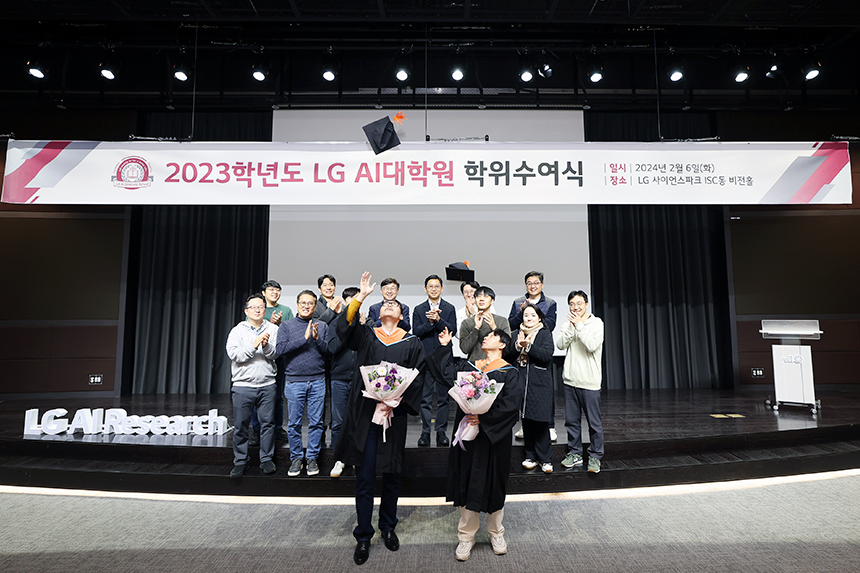
Image 7. 2023 LG AI Graduate School Graduation Ceremony
Under the guidance of excellent professors, LG AI Research has been nurturing talents from various fields within LG to become AI experts. We have been achieving tangible results that contribute to the creation of real value by operating training courses focused on solving real-world problems, going beyond AI theory-based training. We are committed to maintaining our leadership in LG Group's innovation efforts and will continue striving to create differentiated value through AI-based customer experience innovation.