LG-The Jackson Laboratory (JAX), Jointly Researching AI to Unlock the Secrets of Genomics
As society ages, there is increasing discussion about the application of AI in the field of healthcare. AI's potential is particularly notable in the field of diseases closely associated with genetics. LG AI Research and the Jackson Laboratory (JAX), a leading independent, non-profit biomedical research organization, will jointly research and develop AI to unlock the secrets of Alzheimer’s disease and cancer. Following the partnership agreement signed last December, LG AI Research and the Jackson Laboratory signed a partnership and plan to develop AI that analyzes the onset and progression of Alzheimer’s disease and predicts treatment effectiveness, paving the way for new drugs and human aging research.
The partnership between LG AI Research-JAX, a leading biomedical research organization
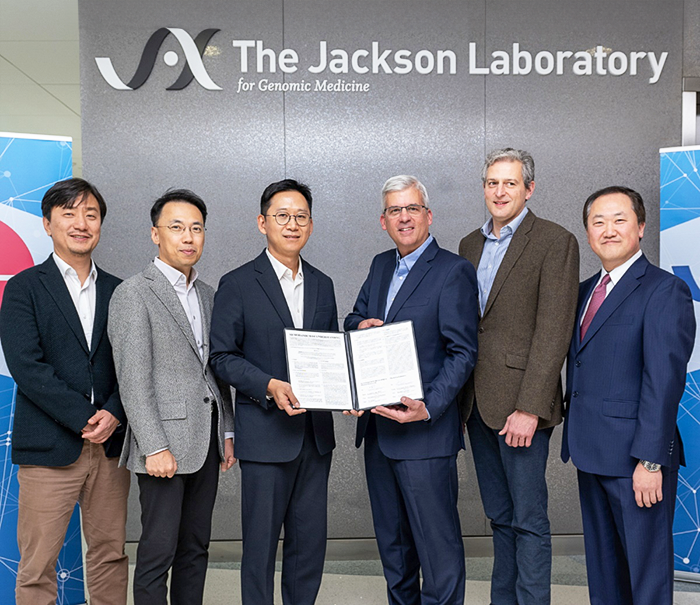
Image 1. Both parties are currently finalizing a business agreement for the implementation of generative AI
at Jackson Lab located in Connecticut, USA (Source : the Jackson Laboratory)
Kyunghoon Bae, Chief of LG AI Research(third on the left)
Lon Cardon, CEO of JAX(fourth on the left)
Charles Lee, Scientific director of JAX for Genomic Medicine(first on the right)
The Jackson Laboratory is a leading independent, non-profit biomedical research organization that has produced 20 Nobel Prize winners, specializing in genomic research to increase understanding of human disease, advancing treatments and cures for cancer, neurological and immune disorders, diabetes, aging and heart disease. The Jackson Laboratory for Genomic Medicine, led by Dr. Charles Lee, a world-renowned expert in personalized medicine (precision medicine) researching the diagnosis and treatment of diseases that depend on genetic variations.
In particular, The Jackson Laboratory is able to design and produce laboratory mice with genetic variants and gene mutations associated with Alzheimer’s disease. They have a vast amount of research data, therefore are expected to have significant synergy when combined with LG AI Research's technology.
* GEM : Laboratory mice with specific genes inserted, removed, or modified. Utilized in the fields of bioscience and medicine to elucidate the function of human gene.
The two organizations plan to improve the efficiency of disease diagnosis and treatment by having LG’s multimodal AI EXAONE train on data from The Jackson Laboratory’s research on the genetic characteristics of Alzheimer’s disease over time by life cycle and applying time series forecasting AI technology. In particular, the Jackson Laboratory is able to design and produce laboratory mice with the Alzheimer’s gene. They have a vast amount of research data on diseases such as Alzheimer's and cancer that can design and produce genetically modified mice, therefore expected to have significant synergy when combined with LG’s AI technology.
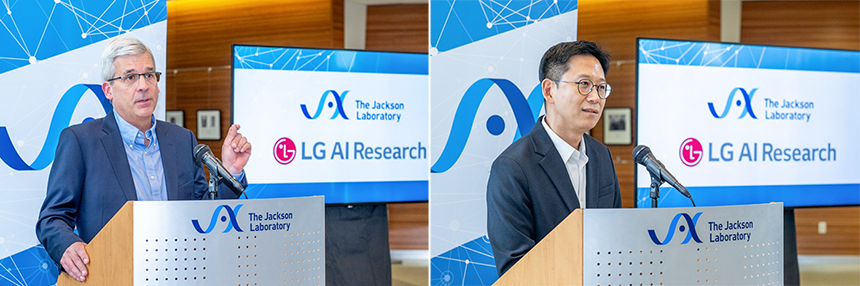
Image 2. Lon Cardon, President and CEO of the Jackson Laboratory, and Kyunghoon Bae, Chief of LG AI Research,
stating their expectations regarding the collaboration (Source : The Jackson Laboratory)
Lon Cardon, CEO at the Jackson Laboratory, showed expectations for the partnership between the two organizations, saying “LG AI Research shares our vision to maximize the value of AI and the potential to transform human health. Together, we can leverage our unique strengths to realize a future where AI and genetics revolutionize healthcare.” Charles Lee, scientific director and professor of the Jackson Laboratory for Genomic Medicine stated, “We are thrilled to collaborate with LG AI Research to unleash the immense potential of AI in creating a data science bridge between humans and mouse models, which will advance our ability to predict human diseases and help in the development of new drugs and treatments.”
AI models for cancer diagnosis and treatment are also being jointly developed by LG AI Research-the Jackson Laboratory
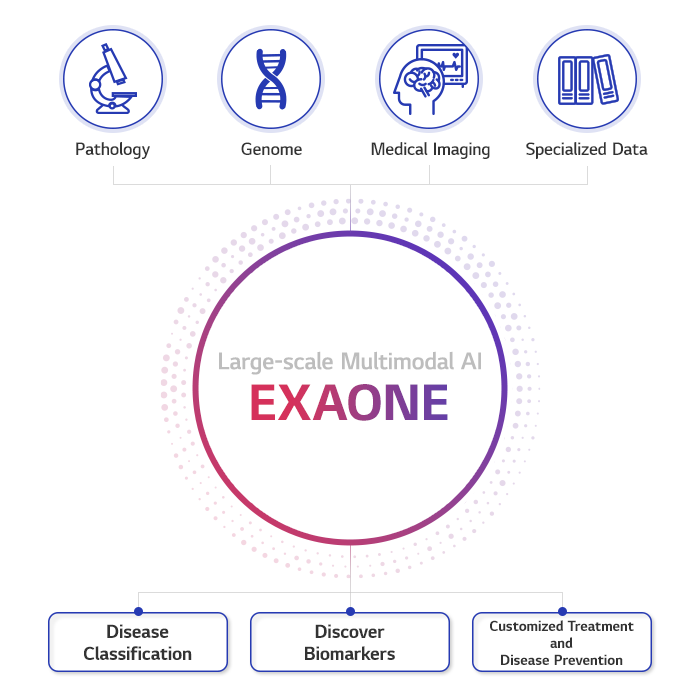
Image 3. Expected benefits of the collaboration
Collaboration between the two organizations is expected to bring about groundbreaking changes not only in Alzheimer's disease but also in the diagnosis and treatment of various cancers. The companies are developing multimodal generative AI models that rapidly diagnose cancer from pathology images without expensive and specialized tests, predict treatment effectiveness, and interactive generative AI models that suggest personalized cancer treatment options to physicians based on an individual’s genomic information characteristics.
Both companies expect that AI will drastically shorten the development time for new drugs in the cancer field, including vaccines and therapeutics, from discovery through preclinical and clinical trials, and improve success rates. They also believe that the developed AI models will play a role in ushering in the era of precision medicine, which enables personalized treatment based on genetic mutations, which is the future of medicine.
The representatives at LG AI Research also expressed these expectations. Kyunghoon Bae, Chief of LG AI Research, stated that “LG AI Research has been conducting research and development to apply AI to various industries and will continue to actively pursue research and development to achieve meaningful results with AI technology, especially in the biofield, which is one of the future growth engine of the LG Group.” LG’s CEO Kwangmo Koo visited Boston, USA, and Toronto, Canada, last August to check the future readiness and fostering strategies for bio and AI, and emphasized the future potential of the bio business, saying, “Although it’s just a small seed now, if we make an effort to challenge without wavering, it will grow into a future giant representing LG.”
LG AI Research has been conducting research and development to apply AI to biofield along with the partnership with the Jackson Laboratory. In 2022, LG AI Research developed a “neoantigen prediction AI model” that uses patient genetic information and cancer cell mutations to induce cancer cell death, and in July last year, the company unveiled “EXAONE Discovery,” a generative AI platform that develops new drugs, new materials, and new substances. Please look forward to the innovation in AI and bioscience being developed by LG AI Research in the future.