[SNUxLG] Discovering the Infinite Potential of Future AI Leaders
LG AI Research met with AI talents at Seoul National University’s Global Education Center for Engineers. This is the site of the “AI Tech & Talent Conference,” where LG AI Research and the SNU-LG AI Research Center presented their research achievements and introduced job opportunities. The conference was attended by more than 200 AI talents who are continuing their research in the AI field and considering starting their careers.
Key leaders, including Kyunghoon Bae, Chief of LG AI Research, Woohyung Lim, Leader of Data Intelligence (DI) Lab, and Professor U Kang of Seoul National University, also attended and met with talents in person. “We’re pleased to have been able to produce meaningful research results with Seoul National University,” said Chief Kyunghoon Bae, adding, “We’ll continue to research technologies that can lead the Korean and global AI markets, and we look forward to having Seoul National University AI talents join us in this process.”
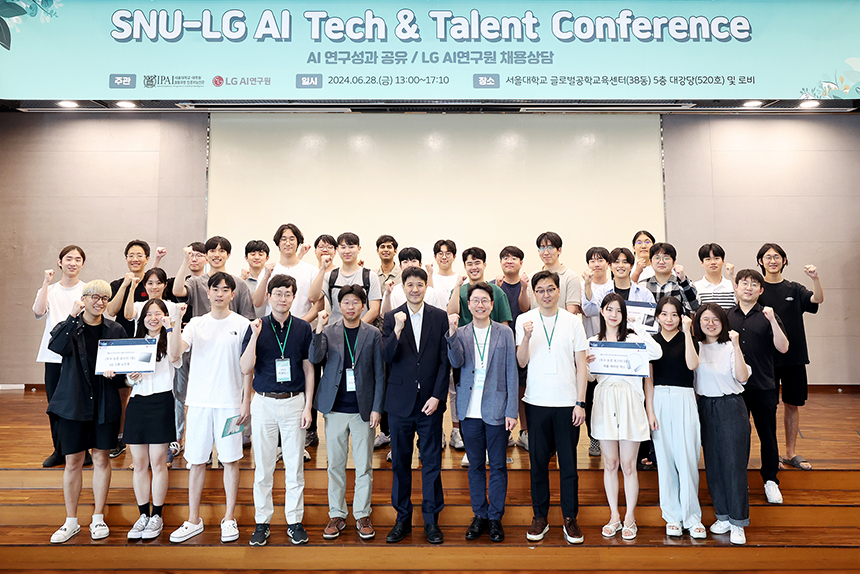
Image 1. At the AI Tech & Talent Conference
From 3D Generative AI to Analyzing Time Series Data in Language Models
In the main hall of the conference, LG AI Research and the SNU-LG AI Research Center presented their research.
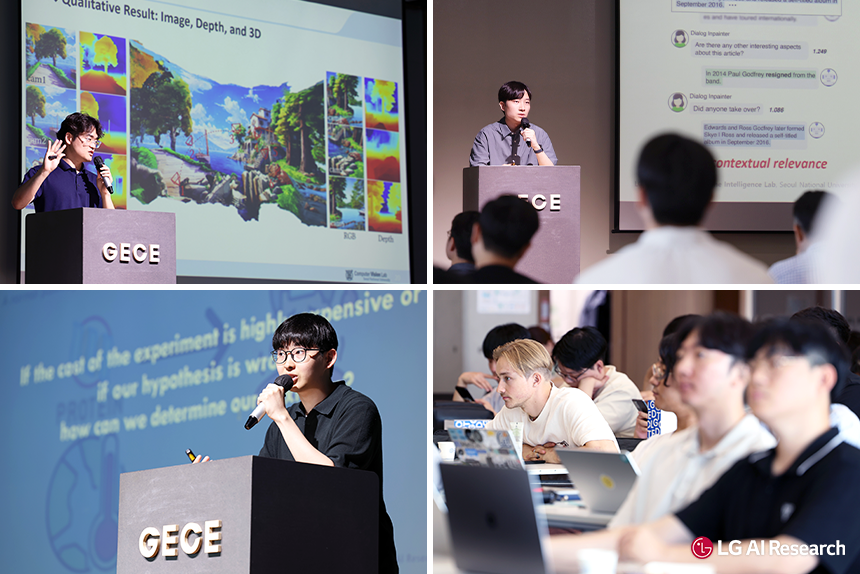
Image 2. Seoul National University students presenting the results of the SNU-LG AI Research Center
Joint Research Results ① 3D Scene Generation Research
This research utilized a diffusion-based image generation model and a monocular depth estimation model to generate 3D scenes. The research outperformed existing 3D scene generation techniques by being able to generate consistent 3D scenes regardless of input format and domain. The project, which was named “Lucid Dreamer,” was well-received by Hugging Face and was selected by the Daily Paper.
Joint Research Results ② Improved Performance and Method of Conversation System
Aiming to develop a conversation system with advanced expertise and performance, this research proposed a data generation methodology for effective information delivery and enhanced the ability to deliver more accurate and useful information to users. It also proposed a new framework, MP2D, which utilizes relationships with entities contained in the knowledge graph to improve the ability of the conversation system to follow the flow of the conversation more naturally. This research has been accepted by global conferences in the field of natural language processing, such as EMNLP and LREC-COLING, and has been recognized for its achievements.
Joint Research Results ③ On Incorporating Prior Knowledge Extracted from Pre-trained Language Models into Causal Discovery
This research is a study on PLM (Pre-trained Language Model)-based causal reasoning for time-series datasets, finding causal relationships between variables in given data. This research proposed a new framework to extract prior knowledge through PLM-based causal reasoning and utilize it for learning causal discovery. Based on the causal discovery framework proposed in this research, we were able to outperform PLM-based causal reasoning and existing causal discovery algorithms on several benchmark datasets covering static and time-series. We expect that this research can be applied to various tasks requiring predictive AI model development and causal relationship analysis in the future.
The Energy of Career Counseling and Technology Exchange Fills the Open Space
While the main hall, where the conference was being held, was buzzing with presentations of the SNU-LG AI Research Center’s research, the open space outside the main hall was filled with attendees looking at posters, exchanging technologies, and having conversations in the recruitment booths.
Recruitment Booths
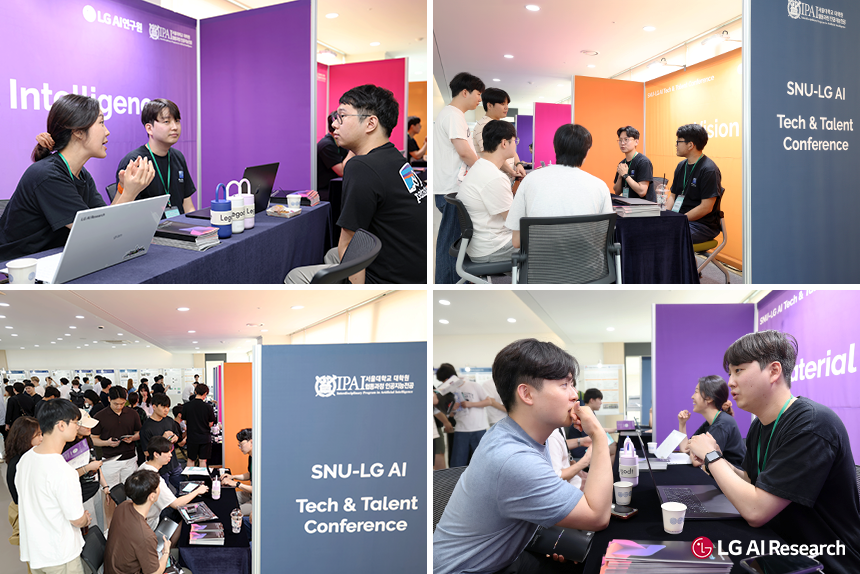
Image 3. Recruitment booth with individual booths for each major research field
The recruitment booths were organized to allow for more in-depth career counseling. Each major research area such as vision, language, data intelligence, and material intelligence had its own booth, so attendees could find the booth that suited their major and area of expertise and have in-depth consultations.
In particular, each booth was attended by senior employees from the LG AI Research who graduated from Seoul National University, providing detailed information about the research fields and job roles of each Lab at the LG AI Research. The recruitment booths were so popular that there were lines of attendees waiting for their turn.
In addition, this year’s conference was organized exclusively by LG AI Research in collaboration with Seoul National University, with larger booths than ever. The quality of the counseling was also improved, as there was more space for deep and immersive conversations. “We used to meet with Seoul National University students every six months, but this time we met them for the first time after a year due to preparations for the AI Tech&Talent Conference,” said Hyein Jung, Head of Talent Relations. She added, “We’re pleased to be able to provide in-depth consultations at the expanded recruitment booths and hope that this event will be helpful to students in their career decision-making process.
Poster Session
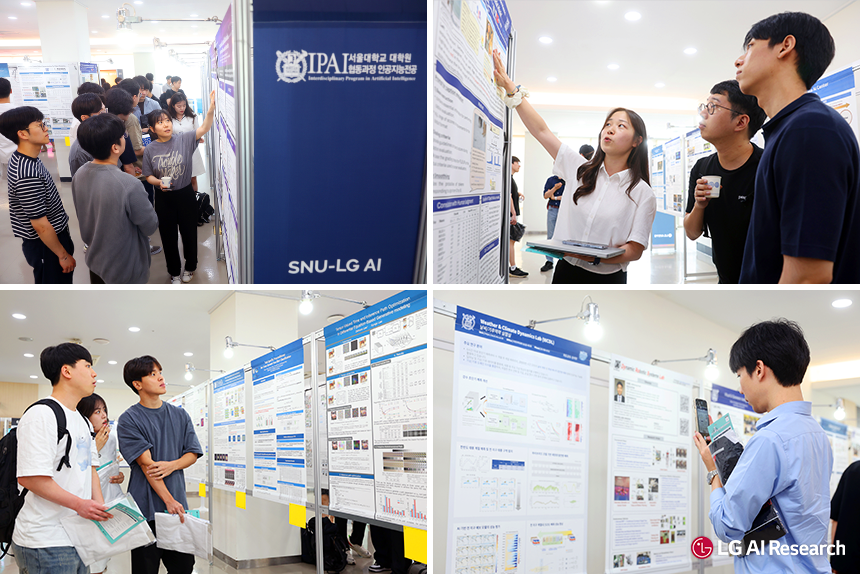
Image 4. Poster session where research is presented and discussed
Across from the recruitment booths was a poster session where attendees could freely interact and share insights about technology. The posters displayed were ones selected as the best papers from the labs within the Graduate School of Artificial Intelligence at Seoul National University, including “Kosmic: Korean Text Similarity Metric Reflecting Honorific Distinctions,” “IterCQR: Iterative Conversational Query Reformulation with Retrieval Guidance,” “Observation-Guided Diffusion Probabilistic Models,” and “Advancements in sample-efficient and requirement-driven code generation,” which were written in collaboration with LG AI Research.
|
Research Poster by LG AI Research and Students from Seoul National University ▶ Kosmic: Korean Text Similarity Metric Reflecting Honorific Distinctions ▶ IterCQR: Iterative Conversational Query Reformulation with Retrieval Guidance ▶ Observation-Guided Diffusion Probabilistic Models ▶ Advancements in Sample-efficient and Requirement-driven Code Generation |
In addition to the research topics presented at the conference, LG AI Research and the SNU-LG AI Research Center jointly researched technologies for developing lightweight language models that are fast and memory-efficient while maintaining performance. LG AI Research is committed to working together with Seoul National University to achieve better results in the areas of joint research, and in the second half of the year, we plan to invite AI talents from Seoul National University to LG AI Research for an opportunity to exchange technology and network.