AI at the Center of the Global Human Rights Discussions, at the UN Forum on Business and Human Rights
LG AI Research attended a global AI ethics discussion as a company representative. This was the UN Forum on Business and Human Rights, the world’s largest annual conference on human rights organized by the UN Office of the United Nations High Commissioner for Human Rights. The UN Forum on Business and Human Rights, now in its 13th year, was held from November 25th to 27th (local time) in Geneva, Switzerland, and brought together more than 4,000 participants from governments, corporations, and civil society representatives from around the world.
This year's UN Forum on Business and Human Rights was unique in that it placed AI at the center of the human rights discussion. The UN has consistently led discussions on the roles that nations and corporations should play in addressing the various gaps that may arise from the rapid advancement of AI technology and in protecting human rights. Article 25 of the UN Global Digital Compact, which was agreed to and adopted by 193 countries around the world, includes a recommendation that technology companies conduct due diligence and impact assessments to protect human rights. Additionally, the UN Human Rights Council has unanimously adopted the "UN Guiding Principles on Business and Human Rights (UNGPs)," which outline the state's duty to protect human rights, the company responsibility to respect human rights, and principles for access to remedies, thereby leading discussions on human rights.

Image 1. Palais des Nations (The UN Office at Geneva) where the UN Forum on Business and Human Rights was held
Sharing Insights and Lessons from LG AI Research's AI Ethical Impact Assessments
LG AI Research participated in the UN Forum on Business and Human Rights as a company representative and took an active role in the event. First, on November 27th (local time), Youchul Kim, Head of Strategy at LG AI Research, participated in the plenary session “Procurement and Deployment of Artificial Intelligence and the UNGPs.” The purpose of the plenary session was to discuss how governments and non-tech companies should introduce and utilize AI, and how to prevent human rights violations in the process. Lyra Jakuleviciene, the Vice-chairperson of the UN Working Group on Business and Human Rights, led the session as the moderator. Presentations were delivered by Youchul Kim, Head of Strategy at LG AI Research, Isedua Oribhabor, Business and Human Rights Lead at the non-profit civil society organization 'Access Now,' and Stephen Malby, the Deputy Head of the Foreign, Commonwealth & Development Office (FCDO) Human Rights Department.
At the event, representatives from tech companies, governments, and civil society organizations that have already developed and applied the technology in the industry presented cases and held discussions. They shared their experiences and expertise in applying the technology to the industry and discussed ways for non-tech companies to apply it.

Image 2. Speakers and moderator who attended the session "Procurement and Deployment of Artificial Intelligence and the UNGPs"
LG AI Research participated as a technoloty company representative and shared examples of how we apply AI in the industrial field and what we are doing in terms of AI ethics. In particular, we highlighted our expertise in applying AI to the public sector through our business experience with the Korean Intellectual Property Office and business innovation through collaboration with LG Group affiliates.
We also shared our ethical efforts for trustworthy AI, sending a message about the importance of company practice. LG AI Research has established three core directions, governance, research, and engagement, and has implemented detailed activities. In particular, LG AI Research has established AI Ethical Impact Assessments to directly diagnose social and ethical impacts throughout the entire AI lifecycle and engage in discussions with project planners and researchers to prevent anticipated problems. LG AI Research is characterized by conducting an AI Ethical Impact Assessment for all research projects.
Here, Head of Strategy Youchul Kim ended his plenary session presentation commenting that “It’s important for both tech and non-tech companies to protect human rights and prevent risks in the development and application of AI,” and that “I hope that the great examples and know-how shared here will help to properly utilize AI technology, protect human rights, and reduce gaps.”
On the 26th, a day earlier, we also participated in the UNGC’s Leadership for Human Rights Business Roundtable. The roundtable, attended by experts and business leaders, held in-depth discussions on ways to implement company social responsibility practices and develop strategic collaborations to strengthen human rights leadership.
Experts Join Together for In-Depth Discussions
LG AI Research also participated in expert sessions, sharing its perspectives on the development of global AI norms, evaluation metrics, and guidelines. LG AI Research also took part in an expert session to help shape the global discourse, which featured insights from Principal Policy Officer Myoungshin Kim, who is in charge of AI ethics and public policy.

Image 3. Key expert sessions that LG AI Research participated in at the UN Forum on Business and Human Rights
In particular, the “Expert Workshop on Human Rights & Global Digital Compact” session led to in-depth discussions on how to better protect and safeguard human rights, which are emphasized in the UN’s Global Digital Compact. At the event, Myoungshin Kim, Principal Policy Officer, explained "One of the biggest challenges AI companies currently face is the fragmentation of global AI norms", requesting for international organizations to develop unified guidelines that incorporate each organization's expertise, rather than proposing their own separate norms and guidelines. Furthermore, LG AI Research pledged to actively share its AI ethics implementation cases throughout the guideline development process.
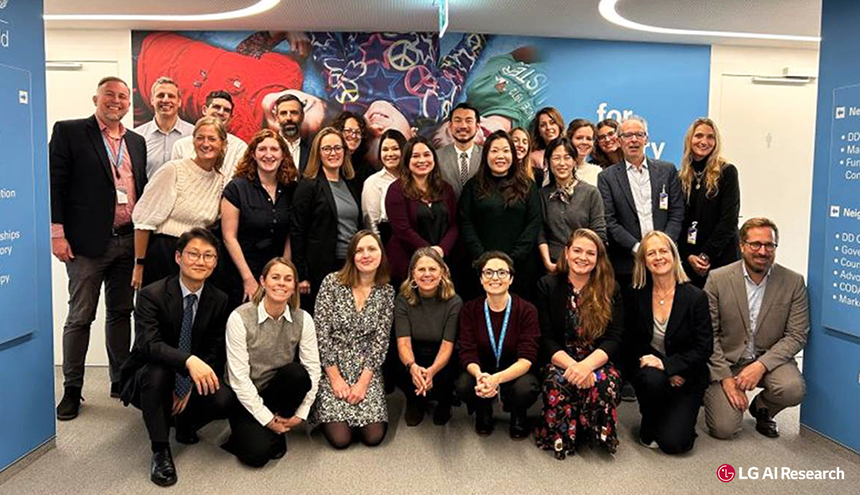
Image 4. Representatives from international organizations, governments, institutions, and companies who participated in the Workshop on Corporate Reporting and Child Rights Online
While the topics and discussions were different for each session, there was one overarching direction; to revolutionize human lives by advancing technology in the right direction, protecting human rights, and bridging gaps in the process. LG AI Research will continue our efforts to build trustworthy AI. Particularly early next year, LG AI Research plans to publish its second "LG Accountability Report on AI Ethics" summarizing the achievements and lessons learned from its ethical practices throughout 2024, following the inaugural report released this year. Stay tuned for more updates from LG AI Research, where we remain dedicated to our ethical commitments!