LG AI Research's Take on CES 2025 - The Dawn of an Industry-Specific AI Era
|
Contents 1. CES 2025 – “Dive in” |
1. CES 2025 – “Dive in”
The Consumer Electronics Show (CES) 2025, the world's largest technology trade show, was held from January 7 to January 10, 2025 (local time) at the Las Vegas Convention Center in the United States. CES 2025 brought together more than 4,000 companies from 150 countries, showcasing more advanced AI technologies and innovative applications than last year. LG AI Research also attended to explore various services adn gain insights.

Image 1. “Dive In,” the Keyword of CES 2025 ⓒCTA
The keyword of CES 2025 was “Dive In,” along with the message “Connect, Solve, and Discover.” Three areas were selected as feature topics of this year’s CES 2025: AI, Digital Health, and Mobility (Vehicle Tech and Advanced Mobility). The same as the year previous, AI was discussed as a key technology and ran through the entire show.
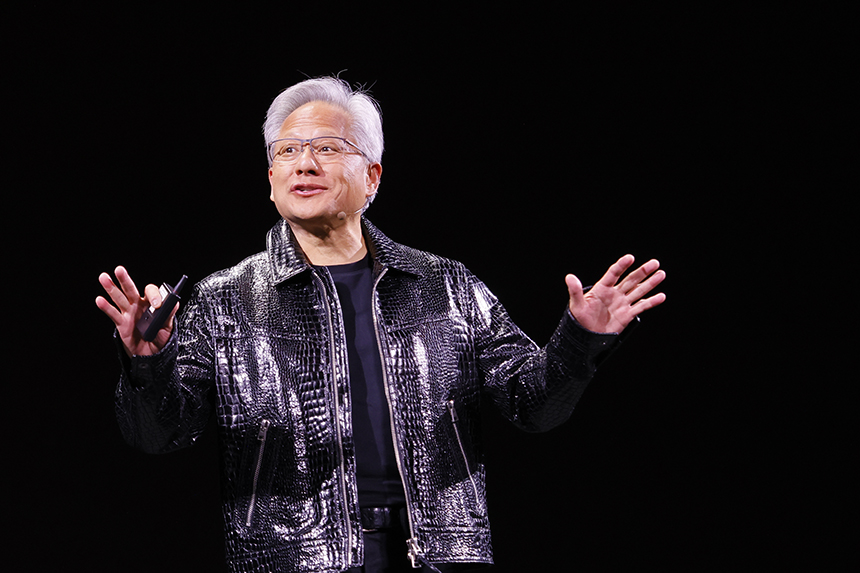
Image 2. NVIDIA’s Jensen Huang Gives the Keynote Speech ⓒCTA
Notably, keynotes highlight that AI has moved beyond being just a technology, and is now at the center of real-world consumer experiences and industry innovation. Jensen Huang, the CEO of NVIDIA—a company leading the global AI semiconductor market—participated as the keynote speaker at CES 2025, drawing worldwide attention. Jensen Huang spoke about the evolution of AI, starting with perception AI, which understands images, words, and sounds, and followed up with generative AI, which produces outputs. He further talked about the start of the physical AI era, which is able to plan and act based on processing and reasoning. Another keynote speaker, CEO of Accenture Julie Sweet, shared her vision of how AI will transform the way we live and work and solve challenges across the globe.
2. CES 2025: What's Different from Last Year?
After CES 2024, LG AI Research came up with the following conclusion:
“CES 2024 : We witnessed the potential of AI technology, but also saw that the AI industry is still in its infancy.”
While we saw the potential and innovation of AI technology at CES 2024, there were no AI technologies or services that were specific to CES, a consumer electronics show. Beyond showcasing potential and possibilities for innovation, we wrapped up last year’s CES 2024 tour with the hope that AI technology will soon become seamlessly integrated into our everyday lives as practical consumer products.
Then what about CES 2025? LG AI Research can boldly claim:
“CES 2025 : We are at the dawn of an era of industry-specific AI.”
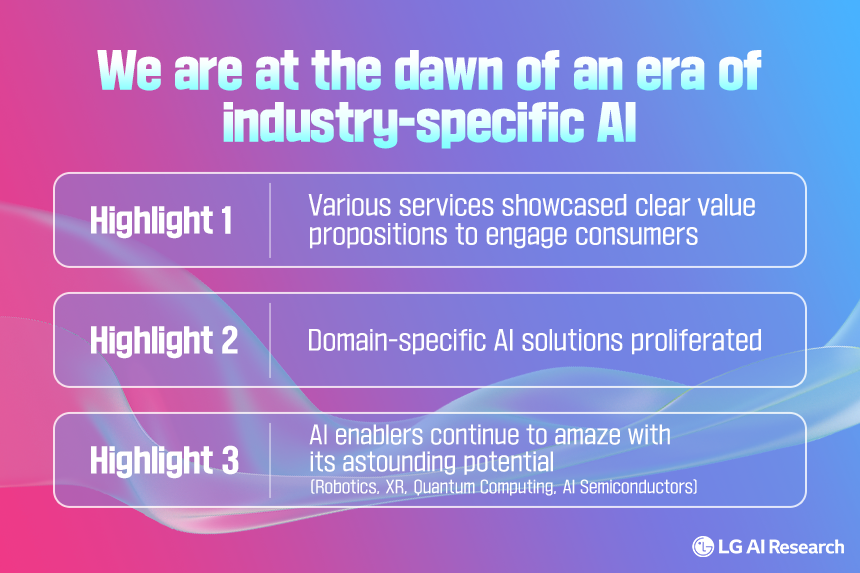
Image 3. LG AI Research’s Take on CES 2025 Highlights
Three points in particular stood out.
The first is that various services showcased clear value propositions to engage consumers.
Last year, most of the companies emphasized the importance of “services that apply generative AI.” This year, many companies moved beyond generative AI and put major technologies such as AI agents at the forefront, and presented in detail what kind of experience users can enjoy via their products. Through this, they are moving from presenting the possibilities of AI technology to thinking about services that can be applied to use in everyday life, and further connecting them to actual monetization.
The second is that domain-specific AI solutions proliferated.
From manufacturing, finance, and corporate business areas to areas that have an impact on our everyday lives, such as transportation, shopping, law, beauty, and cultural content, we were able to experience domain-specific AI firsthand.
Finally, AI enablers (Robotics, XR, Quantum Computing, AI Semiconductors) continue to amaze with its astounding potential.
This was especially seen in sectors like robotics, XR, and quantum computing, which were highly anticipated before CES 2025 began. While the technology still requires further refinement to become fully realized, numerous services on display hinted at the potential to revolutionize our lives.
3. LG AI Research's Take on CES 2025
Curious why we’re calling it “the dawn of the era of industry-specific AI”? Let’s take a closer look at the services and insights from CES 2025.
Highlight 1. Various services showcased clear value propositions to engage consumers
LG Electronics focused on showcasing our AI-applied products, such as AI TV, AI PC, AI Home, AI Mobility, etc., to give concrete examples of how users can envision their lives with AI. In particular, at the LG World Premiere on the night before CES 2025 opened, we introduced AI-applied features to our Gram laptop, featuring LG AI Research's EXAONE. Given the name “gramChat On-Device,” this EXAONE-based on-device AI analyzes the user's requests and performs them correctly based on the user's requests. More specifically, it analyzes and summarizes documents, supports translation between English and Korean, and enhances user experience even when there is no network connection. Additionally, during CES 2025, visitors were able to experience content created using EXAONE’s image generation technology. The displays at the LG Electronics booth showcased EXAONE-generated content depicting the natural beauty of all four seasons. Meanwhile, at the LG World Premiere stage, visuals of cityscapes seen through a window were featured, enhancing the immersive experience of the presentations.

Image 4. (Top Left) LG AI Home Exhibition Booth / (Bottom Left) LG Gram Laptop with AI Features /
(Right) Seasonal content created using LG AI Research's EXAONE image generation technology was showcased at the booth display. (Video and Photos: Captured by LG AI Research)
Highlight 2. Domain-specific AI solutions proliferated
Let's take a look at some of the most notable AI services in each of the major industries. First, in the financial sector, we were impressed by the technology of Korean company Suprema AI. Q-Vision Pro, a module that combines AI-based facial recognition technology and behavioral analysis technology to predict potential financial crimes, won the CES 2025 Best Innovation Award. Also on display was an on-device AI module that uses a combination of vision and infrared cameras. Once this technology is commercialized, we imagine a future where safe financial transactions can be carried out, using facial recognition to make the environment more secure. The application of this technology is expected to assist in situations where guns, knives, or masks are involved, or when financial transactions are attempted via phone call.
In the legal sector, we were impressed by BHSN’s ALLIBEE service, which uses LLM and RAG technology specialized in legal language and knowledge to answer legal questions and search for information in related documents. It collects and creates a database of all open legal/statute/policy materials and presents answers in the form of an advice letter from a law firm's lawyer by searching the database and internal documents first rather than searching the web. The user can further check the original data on which the answer is based so that they can understand the answer with an explainable AI approach.
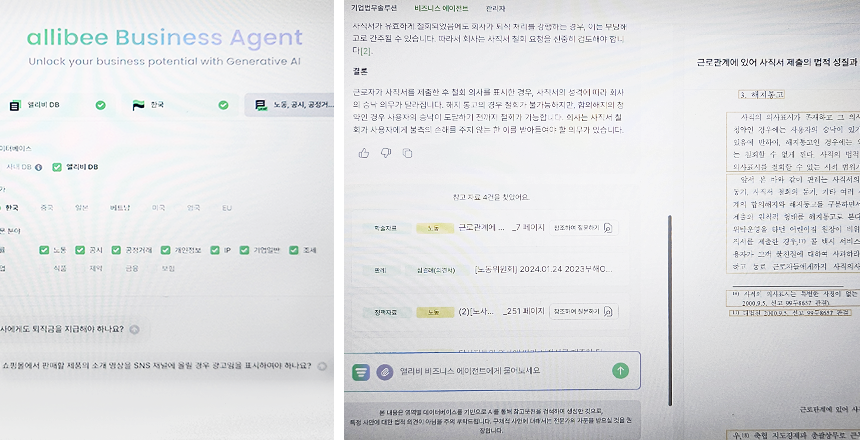
Image 5. ALLIBEE’s Service Screen (Video and Photos: Captured by LG AI Research)
Woongjin Thinkbig’s Bookxtory solution won the CES Innovation Award for proposing a more effective education using AI. In particular, it maximizes the OCR function to understand the text in the book in real time, reads it to the user in the language of the user's choice, and provides various sound effects according to the content of the book to provide a vivid reading experience. In addition to reading, it can be expanded to a variety of educational modes such as role-playing and interactive modes.
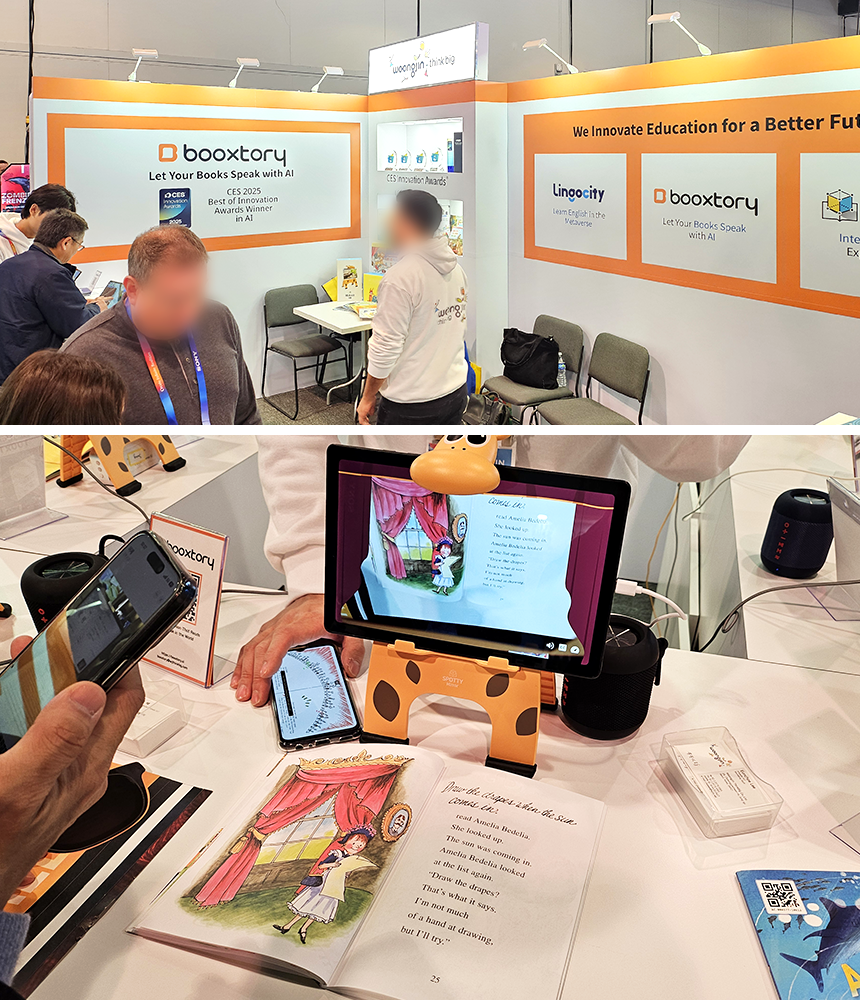
Image 6. Woongjin Thinkbig’s Bookxtory Solution (Video and Photos: Captured by LG AI Research)
In the defense sector, we observed the emergence of services that could mark the beginning of a significant shift. Most notable is the on-device image recognition technology from Korean company Funzin. Notably, the company showcased the AI-powered "Kill Web Matching" solution, which analyzes optimal attack combinations. This defense AI solution quickly identifies enemy targets on the battlefield and recommends the best weapon system combinations. It can also generate synthetic data for enemy recognition from just a single image.
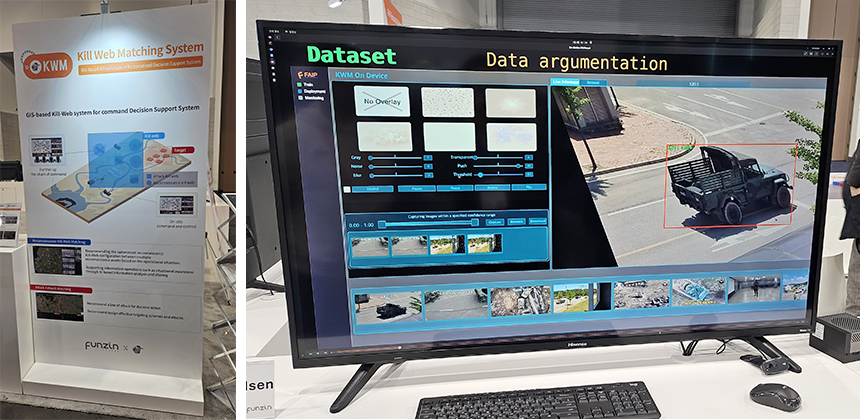
Image 7. The Kill Web Matching solution showcased at the Funzin booth (Video and Photos: Captured by LG AI Research))
We also saw services focused on improving corporate productivity. BIMatrix's “G-MATRIX” is an LLM-based database analyst solution, a generative AI solution that enables companies to extract data from a database and generate reports when field workers request the data they need for their work in natural language. At CES 2025, attendees were able to see a demo where they could actually check the database, and it is expected to be even more automated through technological advancement in the future.
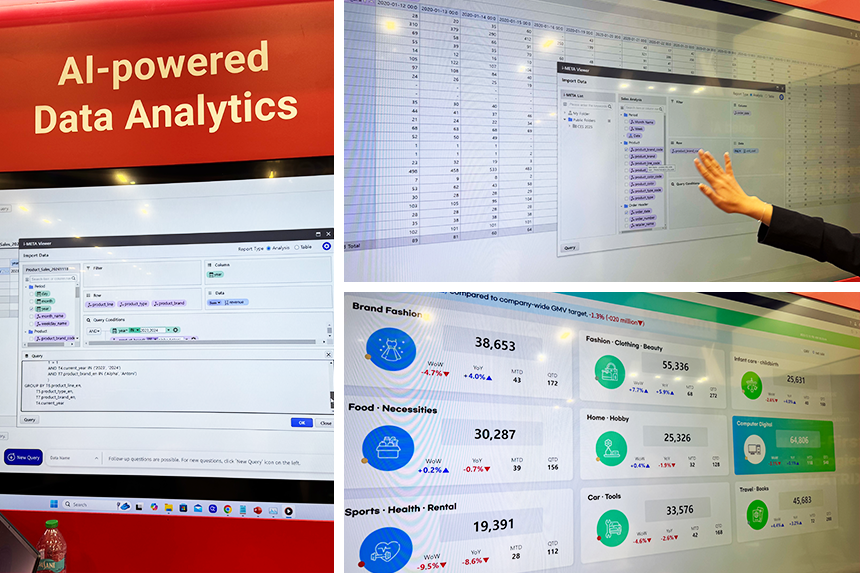
Image 8. BIMatrix’s Demo Booth (Video and Photos: Captured by LG AI Research)
Highlight 3. AI enablers continue to amaze with its astounding potential
Sectors like robotics, XR, quantum computing, AI semiconductors, and so on had been a hot topic even before CES 2025, where we saw the potential of AI technologies on the show floor.
Sensorobot unveiled a household robot capable of playing Go and chess, even taking it a step further by making the product available for sale. Considering that AI has been playing Go and chess even better than humans for a few years now, we are not surprised at the increased usefulness of this robot.
XREAL's immersive experience was also met with enthusiasm, and while the 70-degree field of view, which is narrower than a human's 130-degree field of view, needs a bit of work, the three-dimensional environment in the glass was highly immersive.

Image 9. Sensorobot’s Chess-Playing Robot (Video and Photos: Captured by LG AI Research)
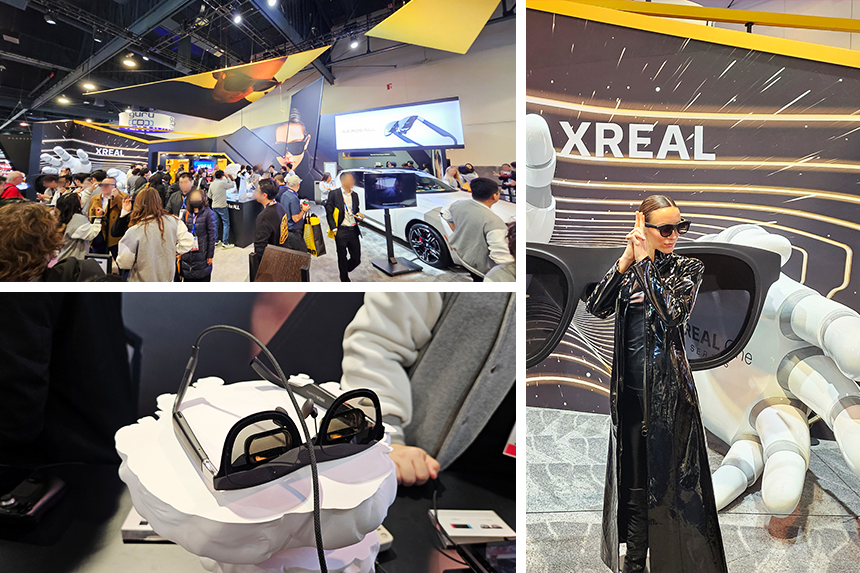
Image 10. XREAL's Booth (Video and Photos: Captured by LG AI Research)
Companies in the AI semiconductor sector seemed to focus on emphasizing performance. For example, Intel highlighted new computers coming out with the latest version of its Core Ultra processor and the improved battery life it offers over competitors' chips. They also provided specific performance comparison numbers. Qualcomm unveiled the fourth new processor in its Snapdragon X series, which is aimed at the mid-to-low-end AI PC market, and emphasized that it can run Microsoft's AI model, Copilot+ software. A variety of laptop makers also displayed their products, with video-based demonstrations rather than hands-on experiences.
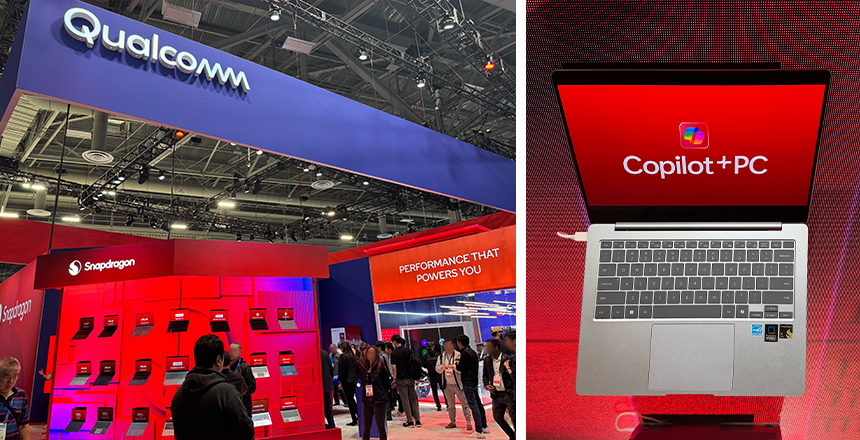
Image 11. A Demo at Qualcomm’s Booth (Video and Photos: Captured by LG AI Research)
However, gaps in technology and services still exist in sectors such as robotics, XR, quantum computing, and AI semiconductors. While these technologies have great potential, there are still many steps that need to be taken—something that NVIDIA CEO Jensen Huang’s noted in his keynote speech when he said, “useful quantum computers will take decades to be realized.”
CES 2025 demonstrated that AI technology has moved beyond mere possibilities to become a reality, marking the beginning of an era where industry-specific services revolutionize the lives of both consumers and businesses. Based on the insights gained from CES 2025, LG AI Research will lead the way in advancing AI technology and developing practical, actionable solutions.