LG Aimers 9th: Forecasting Pitch Control with AI
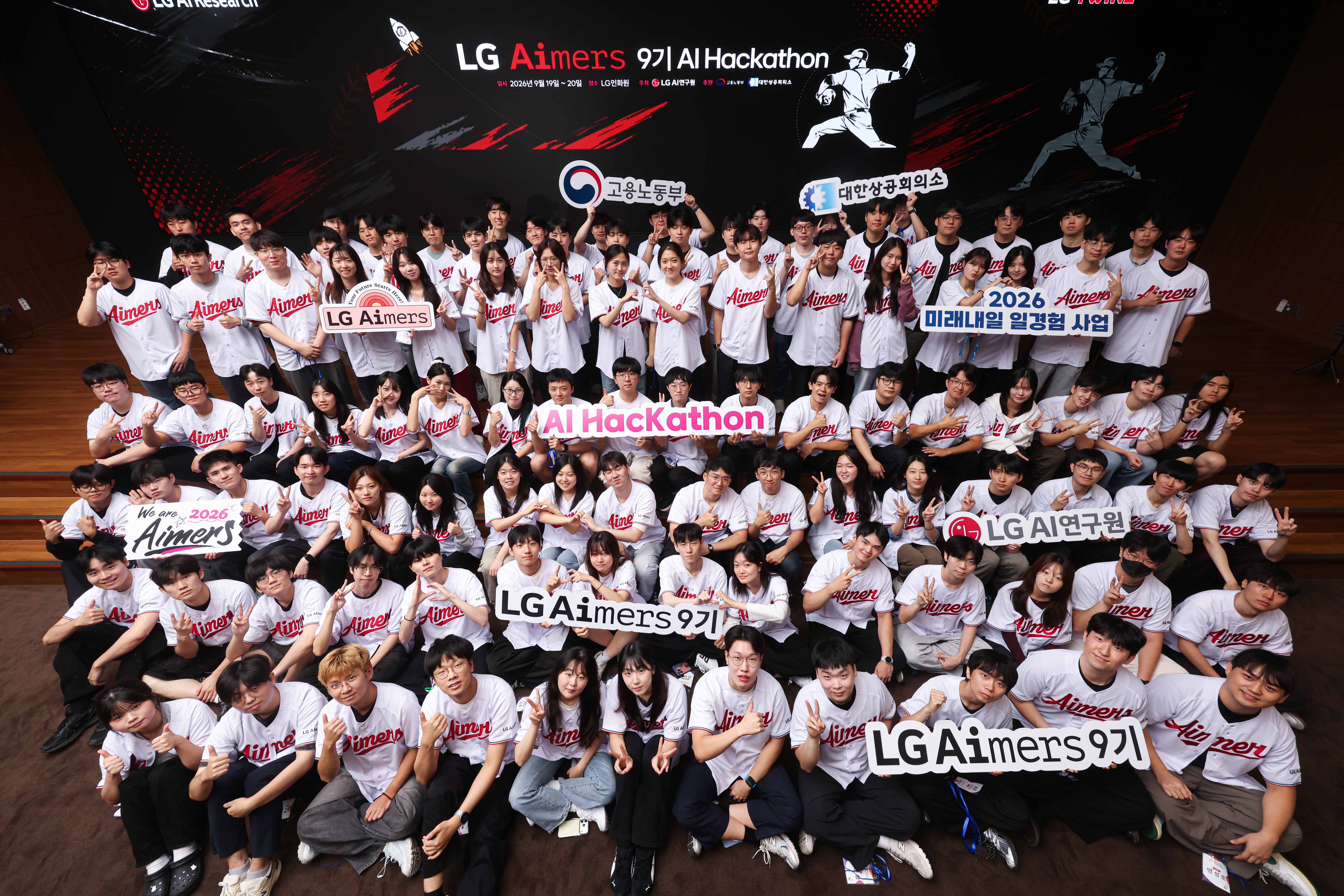
Image 1. LG Aimers 9th Participants
On September 19, LG AI Research hosted the "LG Aimers 9th Hackathon"—a practical program designed to solve industrial challenges using AI technology—at LG Inwha Academy in Icheon, Gyeonggi Province, for a two-day, one-night event.
Since its launch in the second half of 2022, LG Aimers has engaged over 23,000 young talents through this year, establishing itself as Korea’s largest program leading AI talent education for youth.
This 9th cohort of LG Aimers saw a record-high 3,393 applicants, demonstrating intense interest. Among them, a final 96 participants made it to the finals, overcoming a 34-to-1 competition ratio after passing online education and online preliminary rounds. LG AI Research provided a total of 100 million KRW in funding support to all finalists.
Shift from Result-Oriented to 'Forecasting-Oriented' AI Metrics
The challenge for this hackathon, presented by LG Sports, was "Developing an AI Model to Predict Pitch Control Success Probability."
Control refers to a pitcher's ability to throw the ball to an intended spot. Moving beyond conventional result-oriented metrics—such as Earned Run Average (ERA) or strikeout-to-walk ratios—this hackathon challenged participants to develop new, prediction-focused metrics powered by AI that can be applied directly in the field.
Behind this challenge lies LG Sports' philosophy that data-driven analysis should not stop at evaluating past results, but should be actively applied on the field to serve as a "common language" shared among players, coaches, front office members, and fans alike. Just as cumulative predictions build long-term value, the goal was to uncover insights beyond mere numbers through new variables, features, and multi-angle modeling—rather than remaining confined to a single fixed formula. While LG Sports already incorporates data-driven decision-making in baseball operations, it hosted this challenge expecting fresh perspectives and innovative ideas from youth talent built upon high-performing AI models.
Participants gained deep, hands-on experience developing AI models that predict the probability of control success on the next pitch, factoring in contextual information such as game flow, game importance, recent trends, and pitcher characteristics.
LG Aimers 9th Hackathon Atmosphere
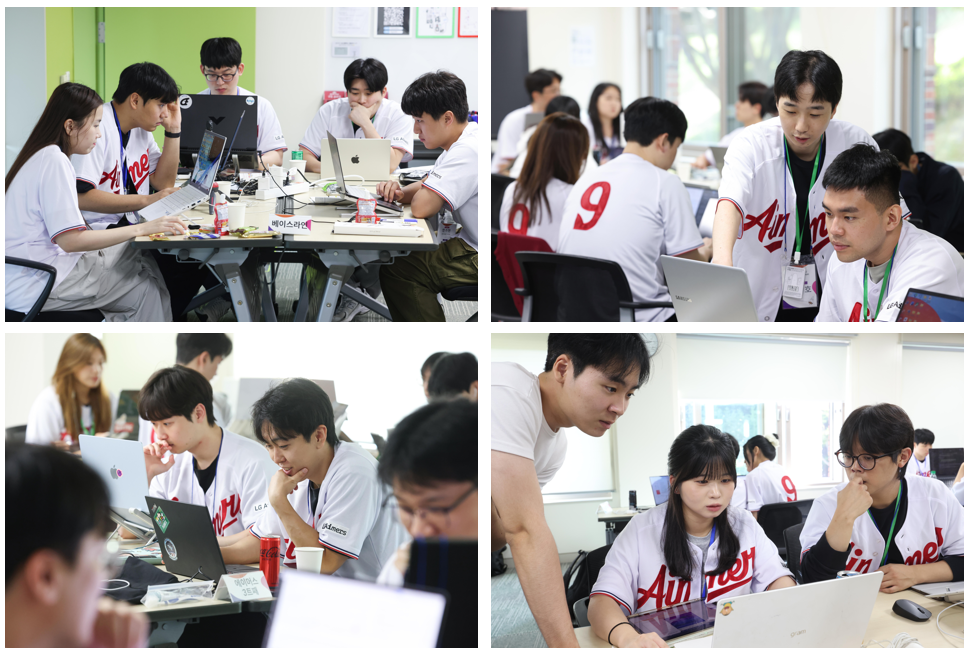
Image 2. LG Aimers 9th Offline Hackathon Site
Throughout the two days and one night, participants maintained intense focus and dedication to building their models. A student participant shared their thoughts from the venue:
"Preparing for the LG Aimers Hackathon gave me a chance to explore various research being done at LG AI Research, and I was really impressed by how deep and impactful their projects are. I have always been interested in time-series data, so working on this hackathon problem was an exciting experience as I could directly think through predictive metrics for real-world professional baseball. What made it even better was having the opportunity to talk through my research paper ideas with the mentors from LG AI Research, making it a truly valuable experience."
Job Fair with 4 LG Affiliates for Young AI Talent
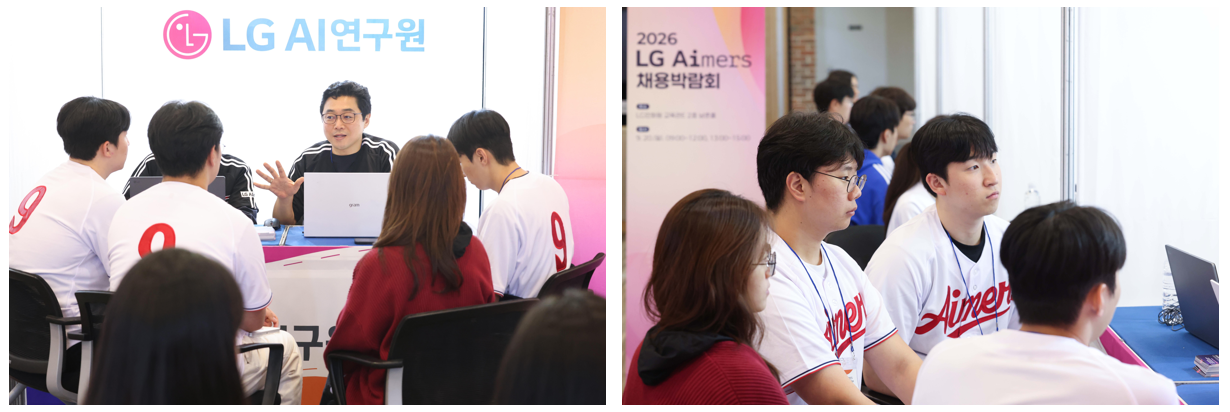
Image 3. LG Aimers 9th Job Fair
On September 20, the second day of the event, LG AI Research hosted a career fair alongside three major LG affiliates: LG Electronics, LG Uplus, and LG CNS.
Recruiters from each affiliate shared hiring information, provided career consultations, and guided participants on registering for the LG AI Talent Pool for priority consideration in future recruitment. Professional career consultants also offered 1-on-1 career counseling and mock AI interview lectures to boost the job competitiveness of young AI talents.
LG Aimers 9th Hackathon Award-Winning Teams
LG Aimers 9th Hackathon concluded with the selection of the top three teams that presented AI models with high predictive precision and outstanding field usability, based on an in-depth analysis of numerous environmental variables and feature data collected from real-world baseball scenarios.
1st Place: [RandomForestBaseballIsDelicious]
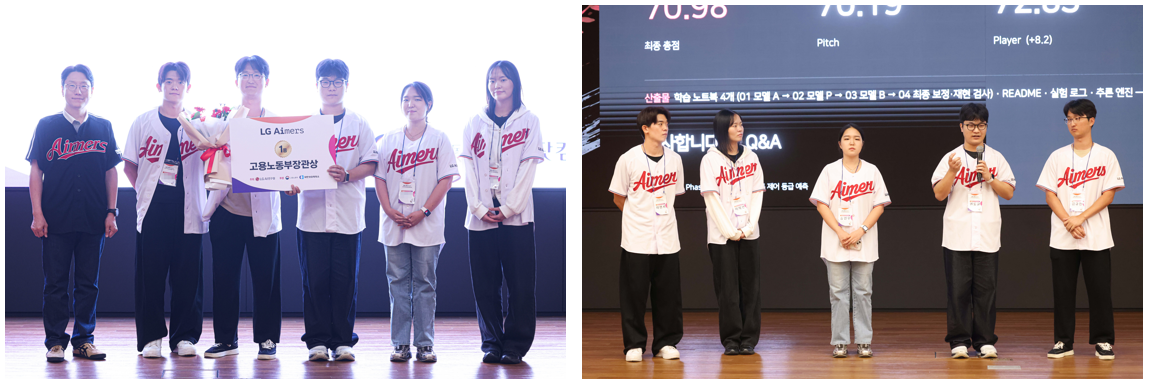
Image 4. 1st place 'RandomForestBaseballIsDelicious' Presentation
-
Methodology: We improved model interpretability by integrating pitcher metrics with compressed team-level context features. From a modeling perspective, we deployed three distinct models based on different underlying mechanisms, assigning each a specific role within an ensemble architecture to produce synergistic mixed effects.
-
Reflection: "We are thrilled that our hybrid modeling strategy delivered great results with strong synergies. It was extremely rewarding to see the practical value of our approach in real-world scenarios receive such positive recognition."
2nd Place: [Again Latent Graph]
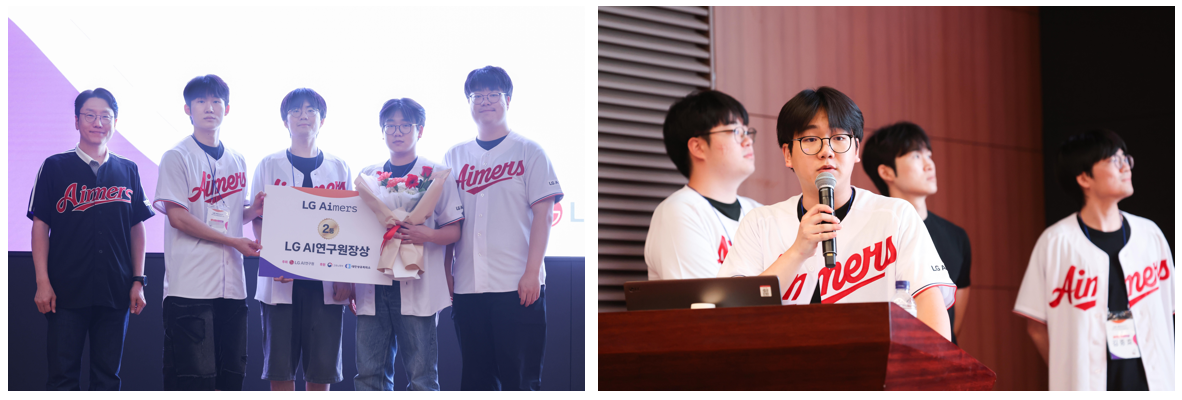
Image 5. 2nd place 'Again Latent Graph' Presentation
-
Methodology: To support strategic decision-making, we recognized that predicting only the final endpoint offered limited practical utility on the field. Therefore, we incorporated movement trajectory data to assess the final target location while proposing a methodology that enhances predictive accuracy through a physics-based approach.
-
Reflection: "Spending two days diving deep into the hidden potential of baseball data with my teammates will remain an invaluable asset."
3rd Place: [ululu]
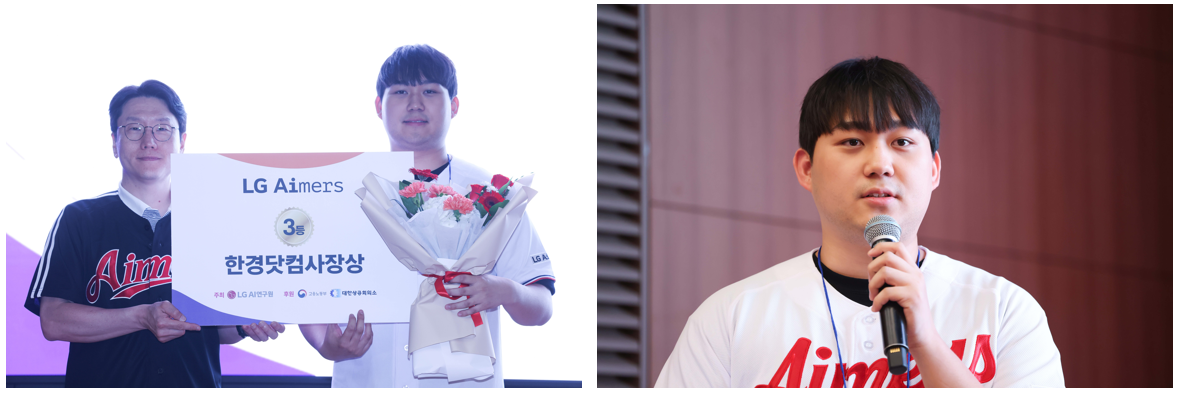
Image 6. 3rd place 'ululu' Presentation
-
Methodology: Reflecting the reality that numerous environmental factors influence baseball outcomes, we constructed relational tabular data integrating ballpark condition variables, pitcher status, and batter matchup history. Prioritizing field usability, we then developed and proposed a model with both rapid inference speed and high accuracy.
-
Reflection: "I would like to extend my sincere thanks to LG AI Research for giving me, as a baseball fan, the chance to work directly with real baseball data and build a model that can be applied to real games."
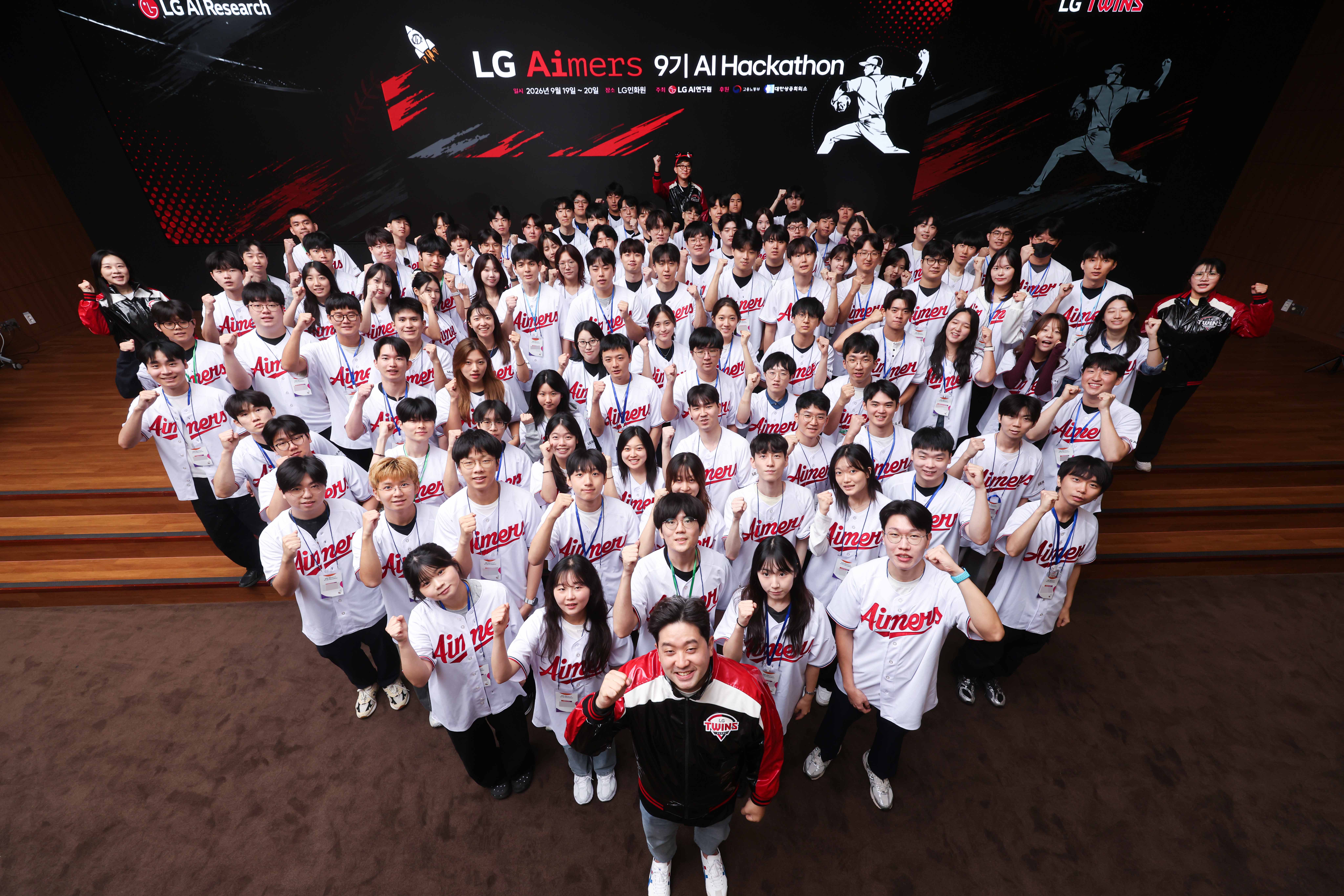
Image 7. LG Aimers 9th Group Photo
LG Aimers is open to any youth aged 19 to 29 with basic AI knowledge and coding skills, running twice a year. We ask for your continued interest in the LG Aimers program as it provides practical AI experience for young talent!