 Jihyeon Yang
2026.01.19
Jihyeon Yang
2026.01.19
[AI Ethics Seminar 2025 EP.6] Finding the Future of AI in Philosophy
|
The Journey Toward Trustworthy AI: Introducing LG AI Research’s “AI Ethics Seminar” |
Canadian graphic designer Robert L. Peters said this: “Design creates culture. Culture shapes values. Values determine the future.” As this suggests, design is not merely about handling aesthetic elements. Rather, it is a process that shapes how we perceive, interact with, and interpret the world.
The AI systems we design are not merely collections of code. AI will become blueprints that transform the way people work, create new value, and ultimately shape the future of society and humanity. We go beyond simply creating convenient tools, ask ourselves whether this technology is truly enriching human lives, and seek answers to the question: “What kind of future are we designing right now?”
1. User Survey: How They Interact with AI
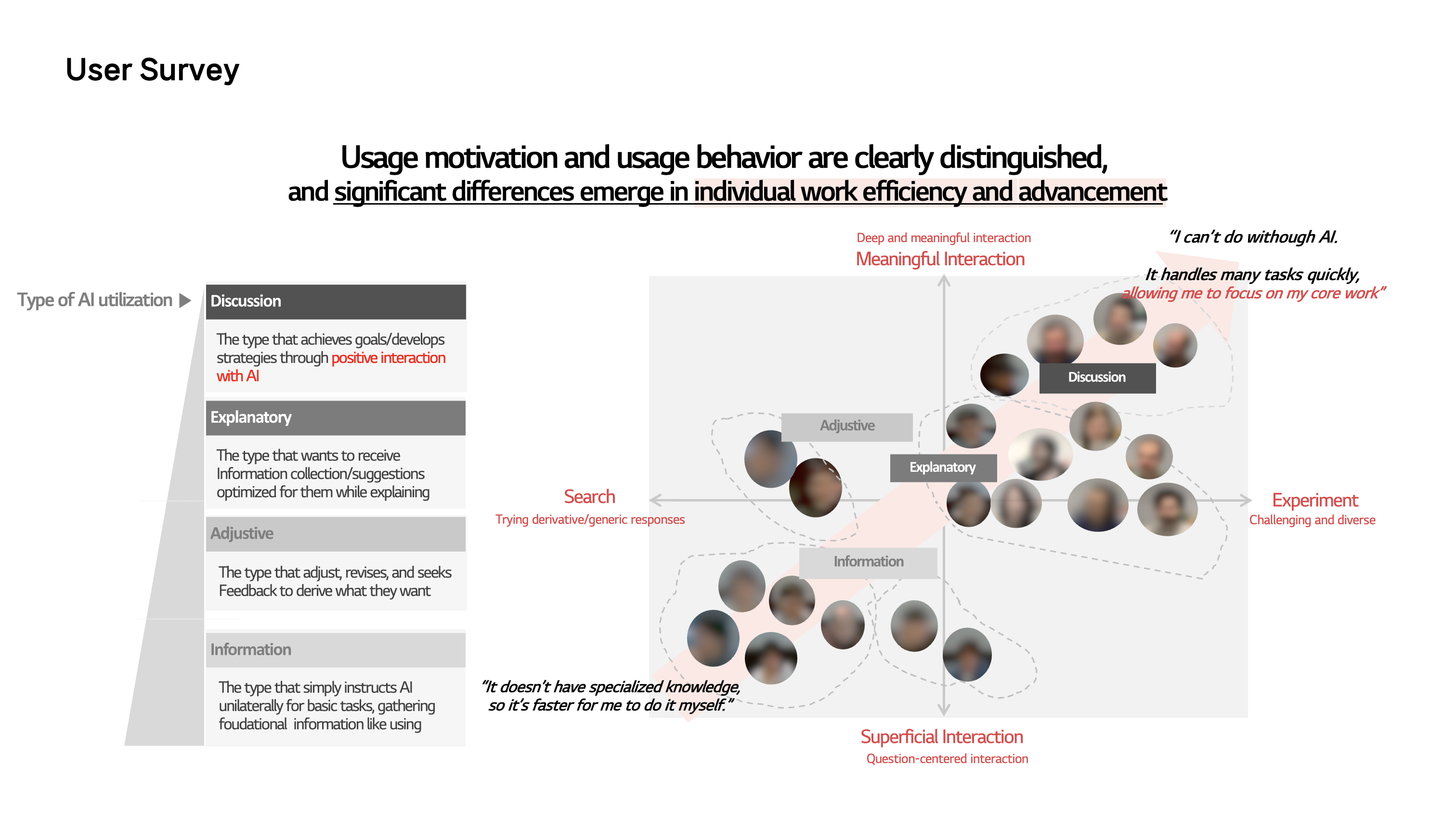
Image 1. Some findings from LG AI Research's user survey analysis of generative AI services
Before diving into full-scale discussions, we laid the groundwork for our AI service planning by researching heavy users in May 2024. We focused on 24 individuals from Korea and the U.S. who utilize AI Chatbot extensively across different professional fields. By analyzing how users interact with AI, we identified distinct user types: the information group, who use AI as a one-way tool for instructions and short answers, and the discussion group, who treat AI as a partner for deep conversations and complex tasks. This expanded our understanding of users.
What was particularly interesting was the differing attitudes toward hallucinations. One group viewed AI as an “intern to be trained and grow alongside,” while the other group strongly perceived it as a “perfect entity that always provides the correct answer.” In the latter case, even a single incorrect answer often led to service abandonment.
We determined that we needed to address this issue to increase user retention rates. At the same time, we reflected on whether the service we provide might be merely a “correct answer vending machine,” potentially hindering users' opportunities for active learning and growth.
As AI grows smarter, if humans only become more dependent, can we truly call that a “good service”? To find clues to this question, we aim to reexamine AI through the lens of philosophy.
2. Currents of Modern Thought: Enlightenment and Romanticism
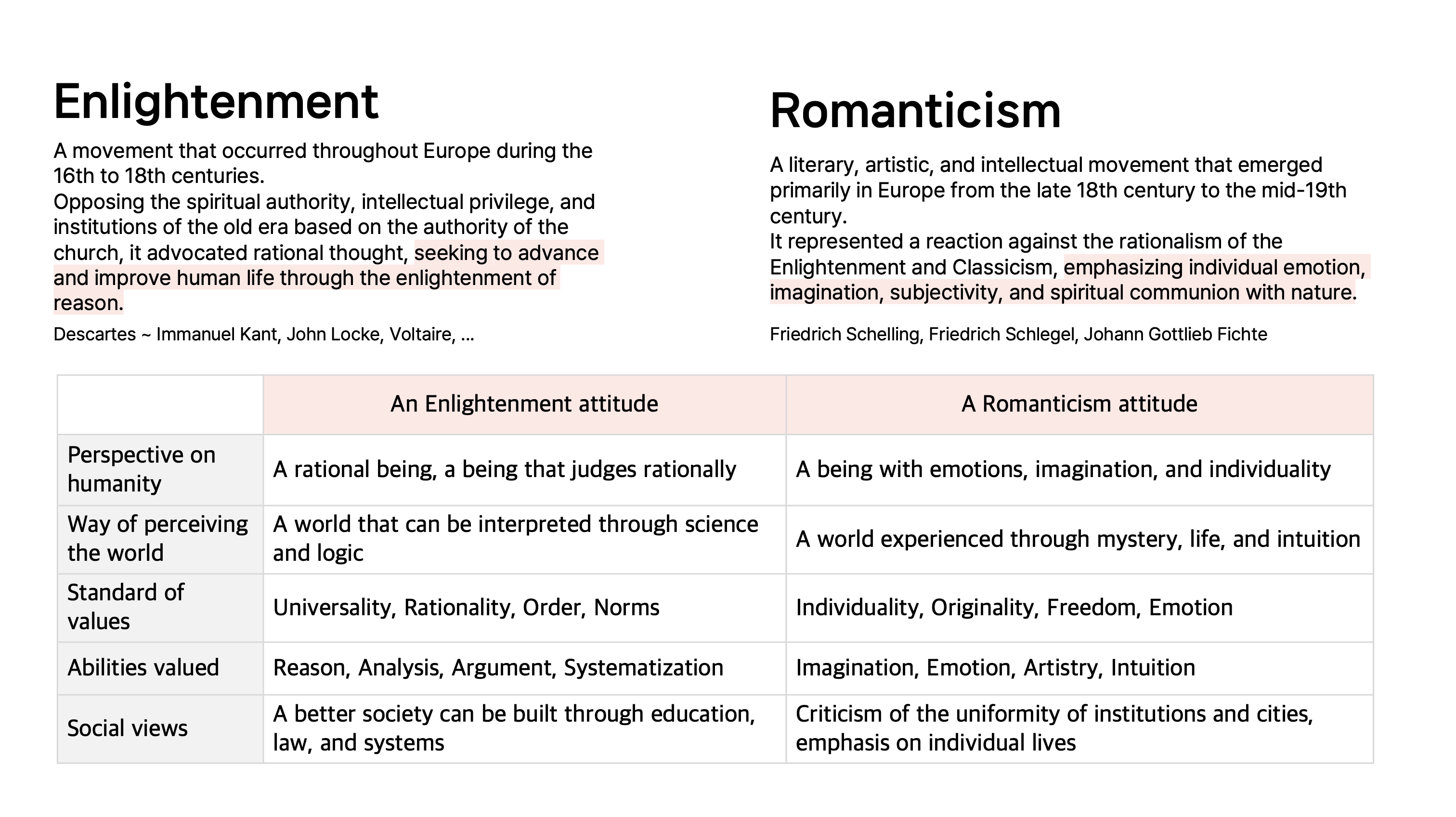
Image 2. Comparing the Enlightenment and Romanticism
For a long time, we have advanced technology with an “Enlightenment attitude” that values reason, logic, and universality. However, as a reaction to this, a “Romanticism attitude” that values individual emotion, imagination, and originality has also played a major role in human history.
Today, AI stands at the heart of economics and technology, maximizing efficiency and automation. Consequently, human emotions, context, and life narratives are often pushed beyond the scope of design, overshadowed by rationality, science, metrics, performance, and universality. Can we truly call this a “good AI service?” Then, what philosophical considerations are necessary?
3. Philosophical Insight for the Subjective Human Being
① Friedrich Nietzsche: Beyond “Slave Morality” to “Self-Affirmation”
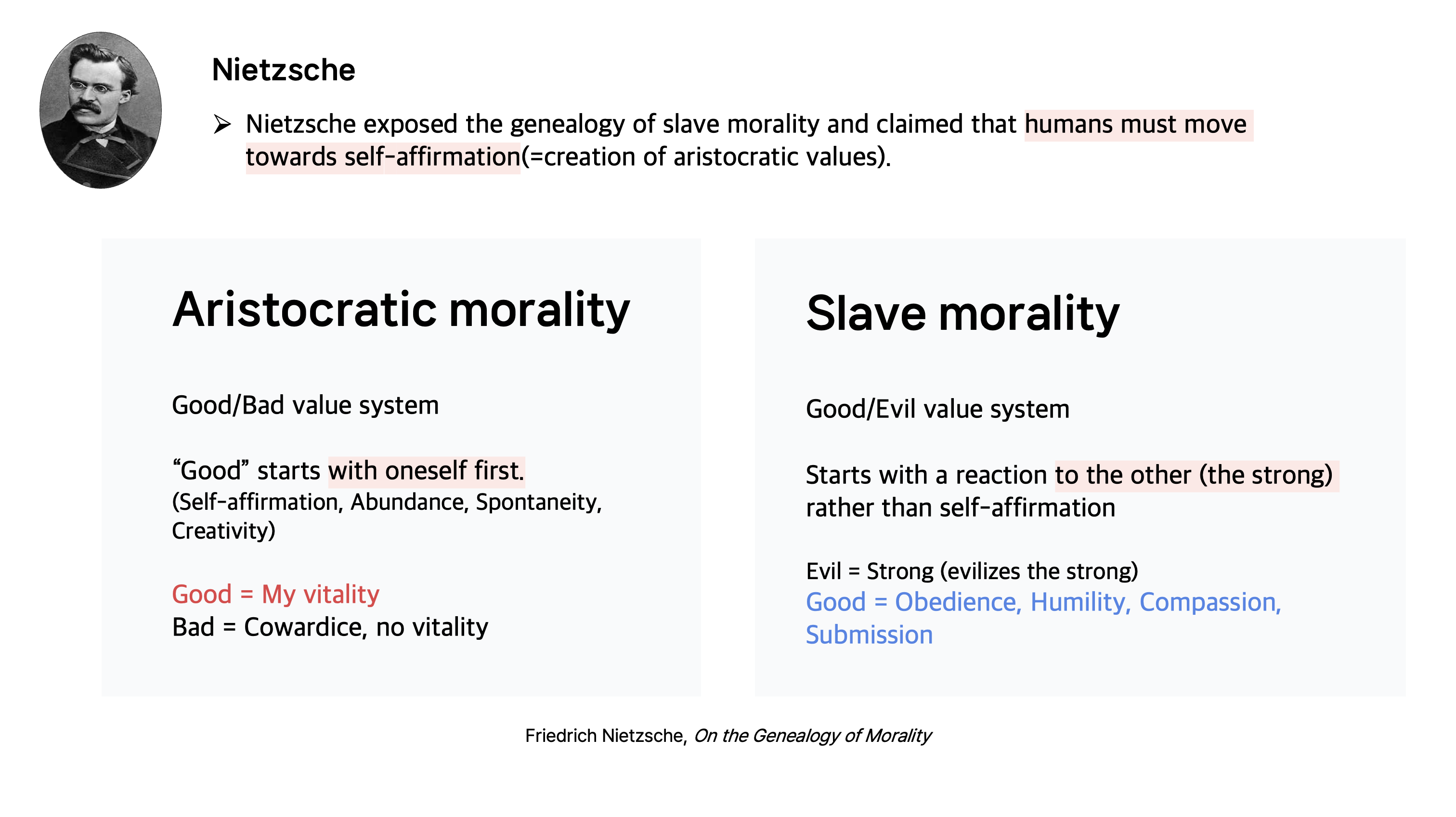
Image 3. Nietzsche's Noble Morality and Slave Morality - “On the Genealogy of Morality”
Through his “On the Genealogy of Morality,” Nietzsche exposes how the criteria we commonly refer to as “good and evil” are in fact constructed by the logic of specific power dynamics. He labels the attitude that equates obedience and submission to others' standards with goodness as “slave morality,” while conversely naming the morality that possesses a positive value system originating not from others' standards but from oneself as “aristocratic morality.” The uncritical conformity to AI-provided answers might be a modern variation of slave morality. Reflecting on Nietzsche's emphasis that humans must advance toward a state of “goodness” where they express their vitality and creativity, a good AI service should not turn users into “submissive, obedient beings,” but rather empower them to become “value creators” who realize their own potential.
② Erich Fromm: Humanistic Ethics and Biophilia
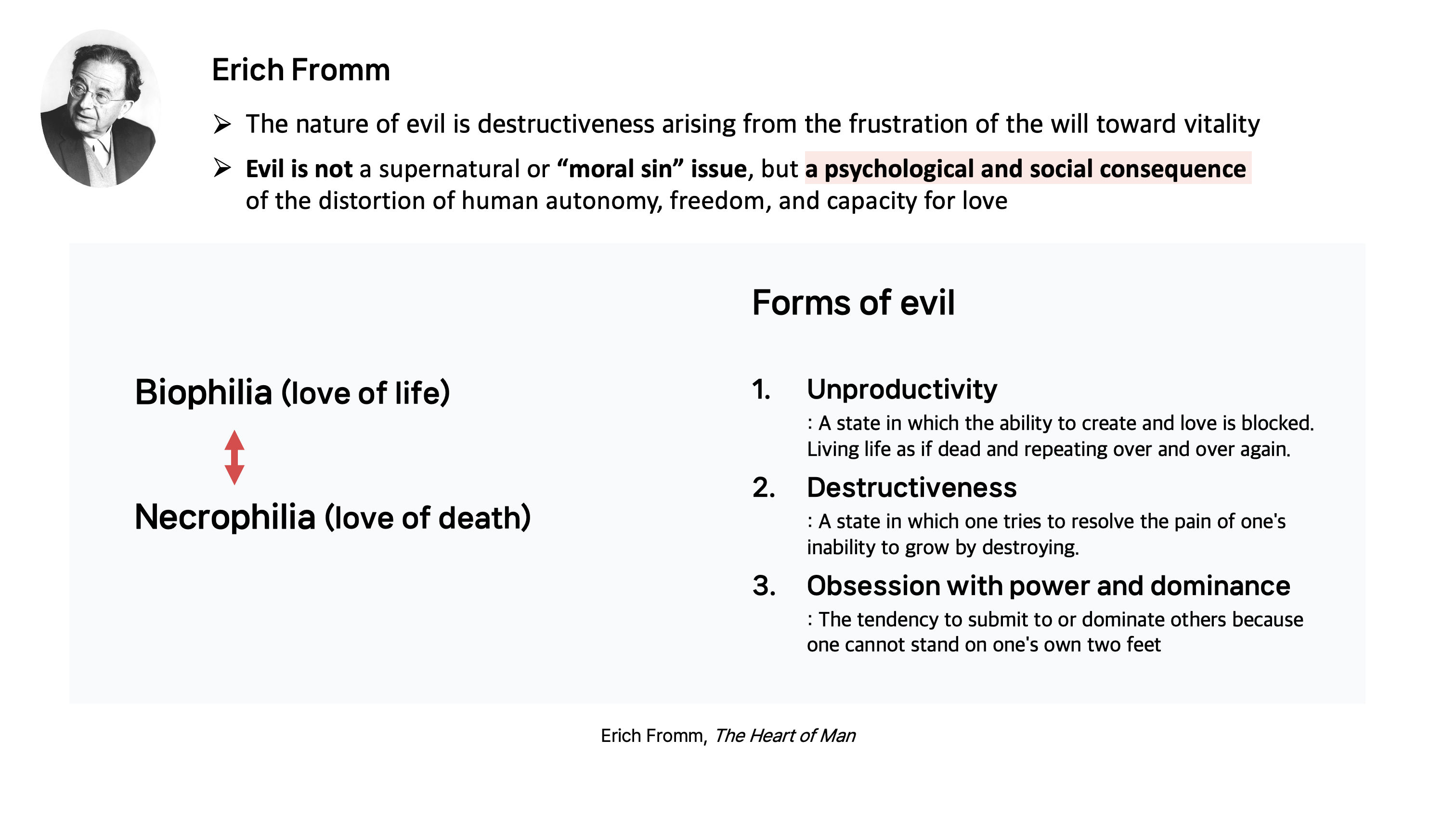
Image 4. Fromm's good and evil - “The Heart of Man”
Erich Fromm argued that the standard of ethics should be grounded not in external authorities such as God, the state, or social customs, but in “humanity's inherent vitality.” According to him, authoritarian ethics, by having external authorities define good and evil, causes individuals to lose their capacity for independent judgment and feel guilt when they fail to follow norms. The result is a loss of autonomy and agency, where obedience becomes disguised as virtue, halting growth. This represents the limitations of authoritarian ethics. Therefore, Fromm proposed humanistic ethics. In humanistic ethics, “good” is that which enhances human potential and vitality, while “evil” is that which destroys it. For Fromm, evil is not a supernatural entity but a psychological and social consequence arising from the distortion of human autonomy, freedom, and capacity for love. Judging by Fromm's “Biophilia”, which refers to passionate love for life and creation, a good AI service should operate in a way that enhances vitality and growth, not one that weakens the user's independence, love, and creative abilities.
4. Redefining “Good” in the AI Era
Synthesizing the ideas of Nietzsche and Fromm, the direction of values we should pursue in the AI era becomes clear. The future AI society we must design should become a “space where humans can actively expand their lives through AI.” In other words, AI should serve as a medium that helps humans practice love and affirmation for life, enabling each individual to unleash their inherent creativity and power of self-affirmation in the real world. This is the vision of an AI society that does not alienate humans, viewed from a philosophical perspective.
In such a society, the core value is not obedience, but rather, self-reliance. AI must not keep users as passive recipients or beings that merely follow instructions. Rather, it should support them in becoming subjects who can judge, choose, and take responsibility for themselves. At the same time, the ultimate purpose of technology should not be confined to efficiency or productivity alone, but must lie in enhancing human vitality, creativity, love, and self-reliance. Only then can AI function not as a tool that weakens humanity, but as a companion that helps humans live more fully as humans.
5. Closing Remarks: A Future Where Human Agency Blossoms
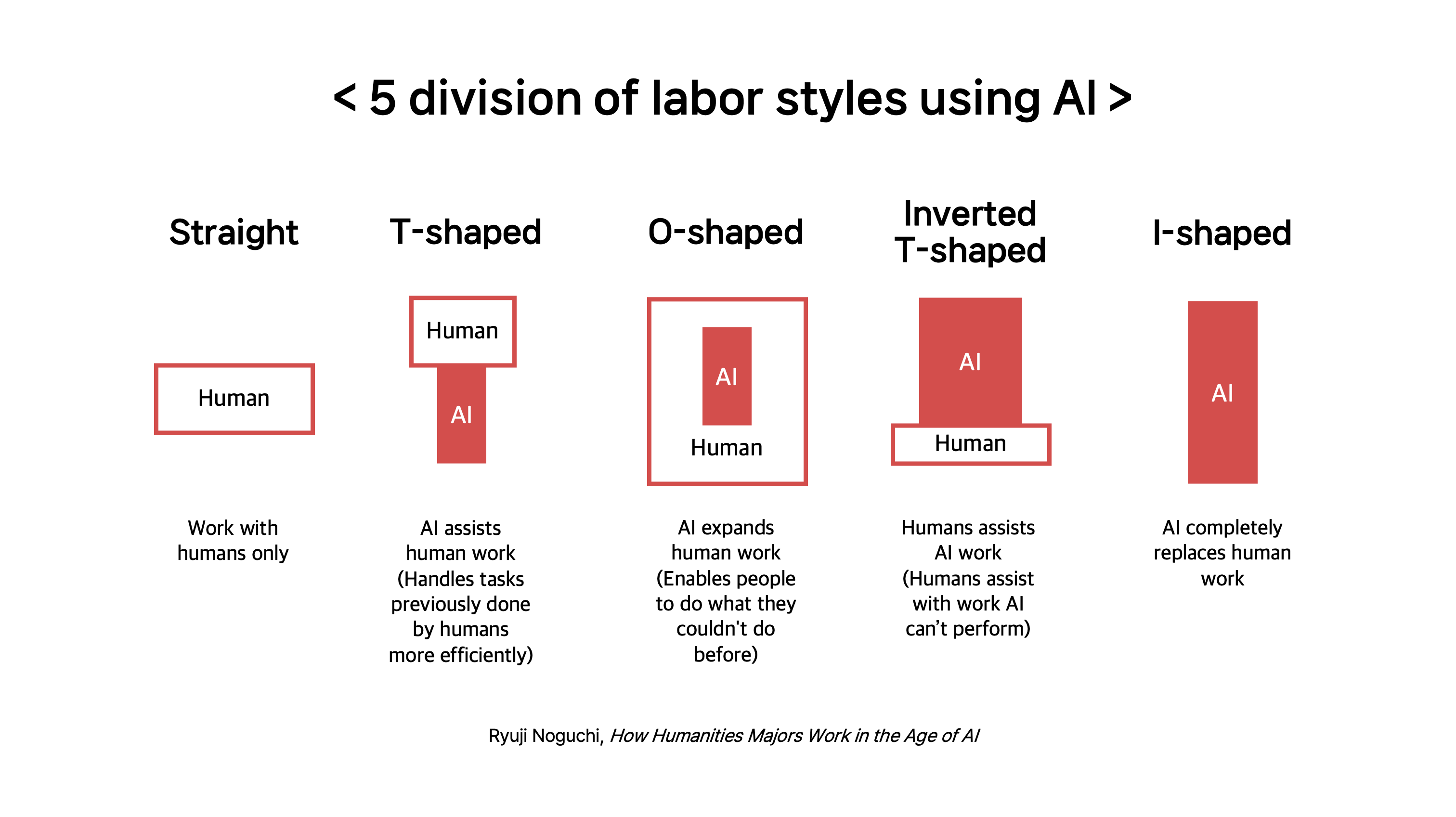
Image 5. 5 Division of Labor Styles Using AI - “How Liberal Arts Majors Work in the AI Era”
In his book How Liberal Arts Majors Work in the AI Era, Japan's Ryuji Noguchi categorizes human-AI collaboration into five distinct division-of-labor styles, systematically explaining how technology engages with human tasks and roles. We aim for a collaborative approach that maximizes human vitality, rather than AI merely performing tasks “in place of” humans or remaining at a level of mutual assistance between humans and AI.
From this perspective, the core of the future AI society lies not in the technical specifications or performance metrics themselves, but in how AI preserves and enhances human agency. LG AI Research strives for a point where Enlightenment values emphasizing efficiency and rationality balance with the Romantic perspective highlighting human emotion, imagination, and agency. Also, we are working to create “good AI services” derived from the philosophies of Nietzsche and Fromm. Through this, LG AI Research will help users express their creativity and vitality more fully.
AI Ethics Seminar 2025 Series
#1. [AI Ethics Seminar 2025 EP.1] How AI Is Changing Human Critical Thinking
#2. [2025 AI Ethics Seminar EP.2] Beyond bias, the journey to fair AI
#3. [2025 AI Ethics Seminar EP.3] Agentic AI Threat Modeling and Guardrail Implementation Strategy
#4. [2025 AI Ethics Seminar EP.4] From Tool to Colleague: AI UX Design that Extends Judgment
#5. [2025 AI Ethics Seminar EP.5] Knowledge, Competence, and Education in the AI EraFrom Tool to Colleague: AI UX Design that Extends Judgment
- 참고
LEE, Jin-kyung, “Philosophy and the Chimney Sweep”
NIETZSCHE, Friedrich Wilhelm, “On the Genealogy of Morality”
FROMM, Erich, “Man for Himself: An Inquiry into the Psychology of Ethics”
FROMM, Erich, “The Heart of Man”
NOGUCHI, Ryuji, “How Liberal Arts Majors Work in the AI Era”